
_copy_6b59cfc2_90870a01.avif&w=1080&q=75)


What Is Sleep Apnea?
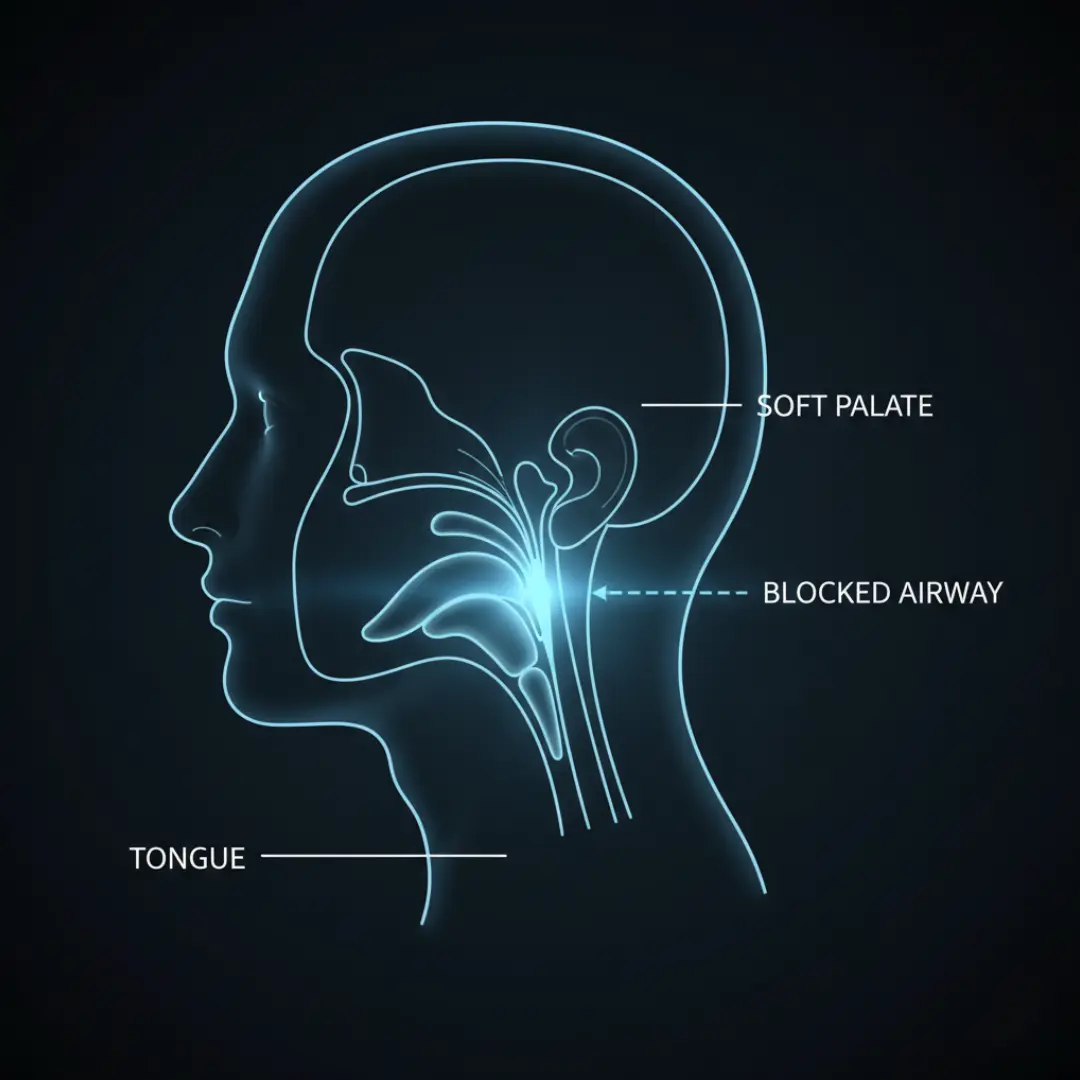
Sleep apnea is a serious sleep disorder where your breathing repeatedly stops and starts during sleep. According to the NHS, untreated sleep apnea can increase the risk of heart problems, high blood pressure, and daytime fatigue.
Causes of Sleep Apnea
The most common type, obstructive sleep apnea, occurs when throat muscles relax and block the airway. Contributing factors include obesity, family history, smoking, and age. The Sleep Foundation highlights that even mild cases can impact quality of life.
Common Symptoms
- Loud snoring
- Pauses in breathing during sleep
- Daytime tiredness or morning headaches
- Difficulty concentrating
How Sleep Studies Help
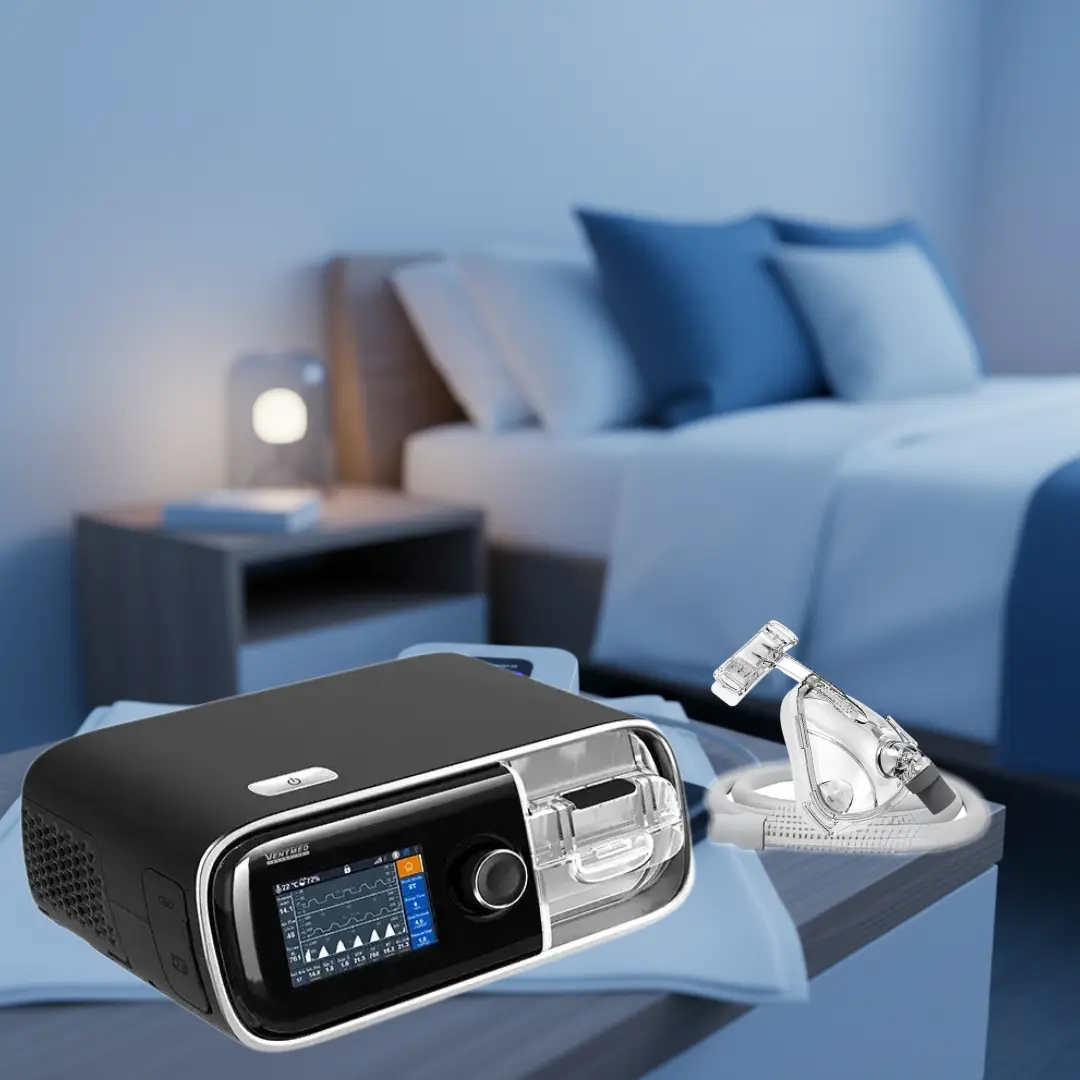
Sleep studies, whether in a clinic or at home, monitor your breathing patterns, oxygen levels, and sleep quality. Results can confirm a diagnosis and guide treatment, often with CPAP machines that help keep your airway open overnight.
Treatment Options
The most effective treatment is CPAP therapy, which uses gentle air pressure to keep your airway clear. Lifestyle changes such as weight management and avoiding alcohol can also help reduce symptoms.
Frequently Asked Questions
Can sleep apnea be cured?
Sleep apnea usually requires ongoing management rather than a full cure. CPAP therapy and lifestyle changes significantly reduce symptoms.
Do I need a sleep study for diagnosis?
Yes. Sleep studies are the most reliable way to confirm sleep apnea and decide whether
CPAP therapy is needed.
Is snoring always a sign of sleep apnea?
Not always. Loud, chronic snoring is common in OSA, but not all snorers have sleep apnea. A sleep study confirms diagnosis.
Is CPAP therapy comfortable?
Modern CPAP machines are quieter, smaller, and designed for comfort. Most users adjust quickly and notice better sleep within days.


