_copy_6b59cfc2_90870a01.avif&w=1080&q=75)

Is it Obstructive or Central? The Sleep Apnoea NHS Guide to Spotting the Key Differences
Sleep apnoea affects millions of people in the UK, often without them realising. The sleep apnoea NHS guidance highlights two main types: obstructive sleep apnoea (OSA) and central sleep apnoea (CSA). Understanding the differences is the first step toward getting an accurate diagnosis and the right treatment.
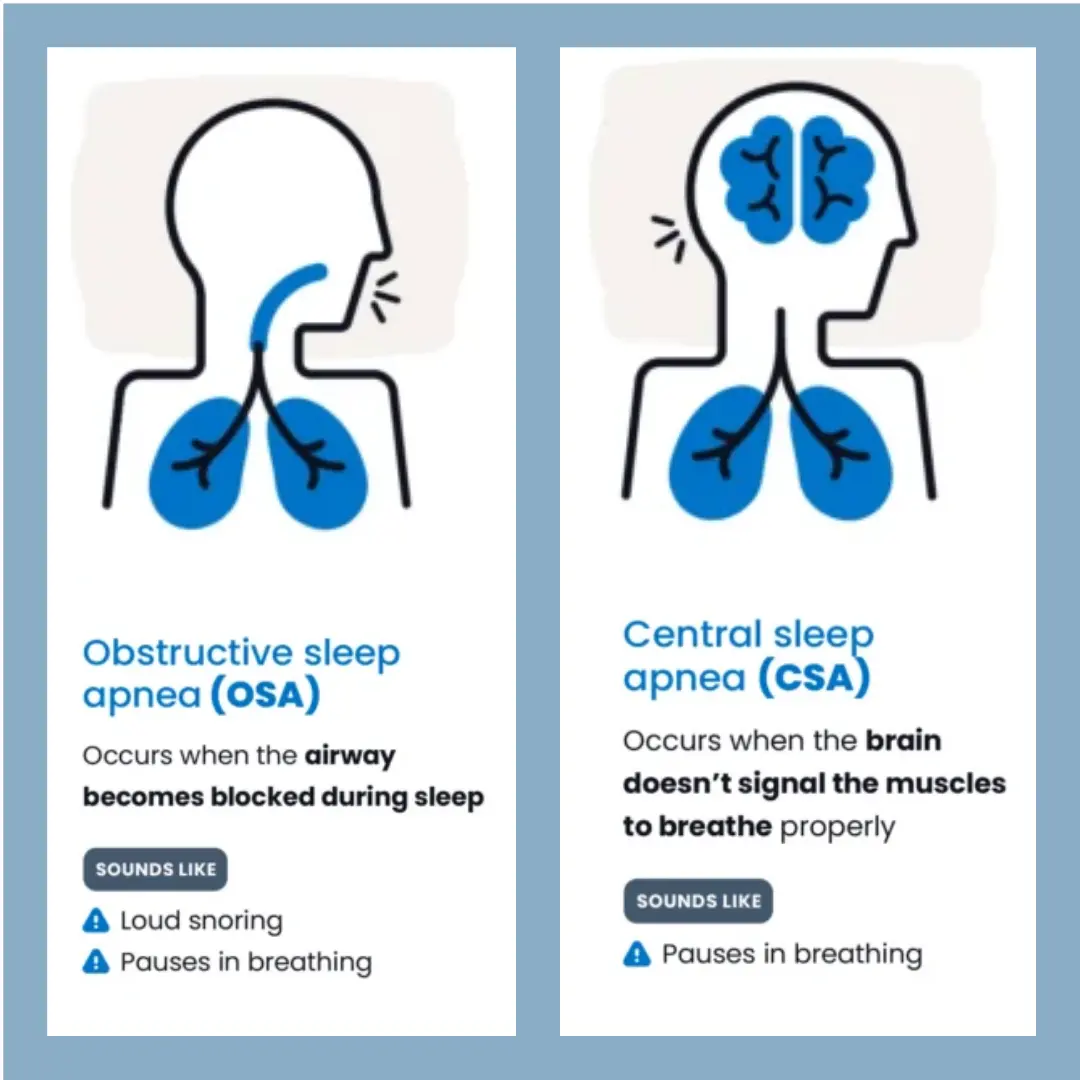
Types of Sleep Apnoea
Obstructive Sleep Apnoea (OSA)
OSA is the most common form. It happens when the throat muscles relax too much during sleep, blocking airflow. The brain senses this lack of oxygen and briefly wakes you up to reopen the airway. This cycle can happen dozens of times per night, leaving sufferers exhausted.
Typical signs: loud snoring, gasping during sleep, restless nights, and daytime fatigue.
Central Sleep Apnoea (CSA)
CSA is less common but more complex. Instead of a blocked airway, the brain fails to send the correct signals to breathing muscles. As a result, breathing simply stops for short periods during sleep.
Typical signs: frequent awakenings, insomnia, and pauses in breathing often noticed by a partner.
Diagnosing Sleep Apnoea
Accurate diagnosis is key to choosing the right therapy. According to NHS guidelines, sleep apnoea is usually confirmed through a sleep study. This may be carried out in a hospital, sleep centre, or with a device you take home.
- Private sleep apnea test: If NHS waiting lists are long, some people choose a private sleep apnea clinic near me for faster results.
- At-home options: Modern devices can measure oxygen levels, airflow, and breathing effort while you sleep in your own bed.
For a deeper overview of causes and how studies help, see our post: What Is Sleep Apnea: Causes, Symptoms & How Sleep Studies Help.
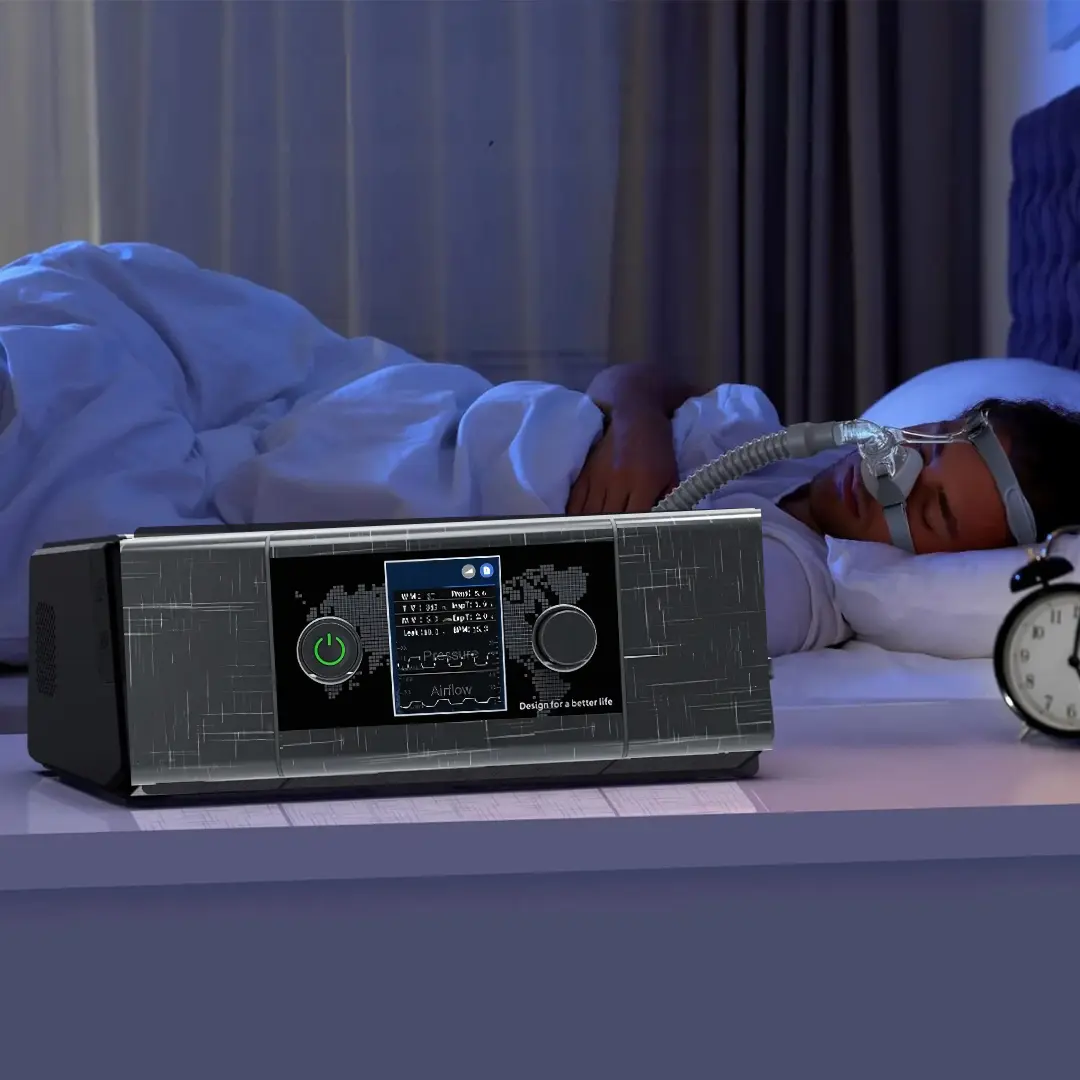
Treatment Options
The right treatment depends on whether you have OSA or CSA, and on the severity.
- Lifestyle changes: losing weight, reducing alcohol, or changing sleep positions can help mild OSA.
- CPAP therapy: the gold-standard treatment, providing steady air pressure to keep airways open.
- BiPAP or adaptive devices: often used for CSA or complex cases.
We’ve explained the differences in more detail in our guide: Apnea Machine Differences Explained: Fixed, Auto, and BiPAP.
For machines available today, explore our CPAP machines category.
Conclusion
Whether it’s obstructive or central, the sleep apnoea NHS guide makes clear that identifying the right type is crucial for effective treatment. With proper testing—whether through the NHS or a private sleep apnea clinic—patients can access tailored therapies that restore healthy, refreshing sleep.
Frequently Asked Questions
Q1: What is the main cause of sleep apnea?
Obstructive sleep apnoea is usually caused by relaxed throat muscles blocking airflow, while central sleep apnoea is linked to brain signalling issues. Learn more in our guide:
What Is Sleep Apnea: Causes, Symptoms & How Sleep Studies Help.
Q2: How to test sleep apnea?
Sleep apnoea can be tested with a sleep study, either in a hospital, a specialist sleep centre, or at home using portable monitors. Many people also book a private sleep apnea test at a local sleep apnea clinic for faster results.
Q3: How can I check my sleep apnea at home?
Home sleep tests use small devices to record breathing patterns, oxygen levels, and snoring overnight. Searching for a private sleep apnea clinic near me can help you access at-home testing quickly and conveniently.
Q4: What is the best treatment for sleep apnea?
The most common and effective treatment is CPAP therapy, though BiPAP and adaptive devices are sometimes required. See our guide:
Apnea Machine Differences Explained: Fixed, Auto, and BiPAP.