Sleep Apnea Children: The Parents' Guide to Symptoms, Danger and Paediatric Treatment
When it comes to sleep apnea children cases, many parents are surprised to learn that this condition doesn’t just affect adults. Sleep apnea in children can disrupt healthy development, affect school performance, and even pose long-term health risks if left untreated. This guide explains the signs, dangers, and treatments available for paediatric sleep apnea in a way that’s clear and reassuring for families.
Can Children Have Sleep Apnea?
Yes. Pediatric obstructive sleep apnea is more common than many parents think. While it often appears between ages 2–8, it can also occur in toddlers and teenagers. Enlarged tonsils or adenoids are the most common cause, but obesity, allergies, and certain craniofacial conditions can also contribute.
For a general overview of how sleep apnea works, read our article: What Is Sleep Apnea: Causes, Symptoms & How Sleep Studies Help.
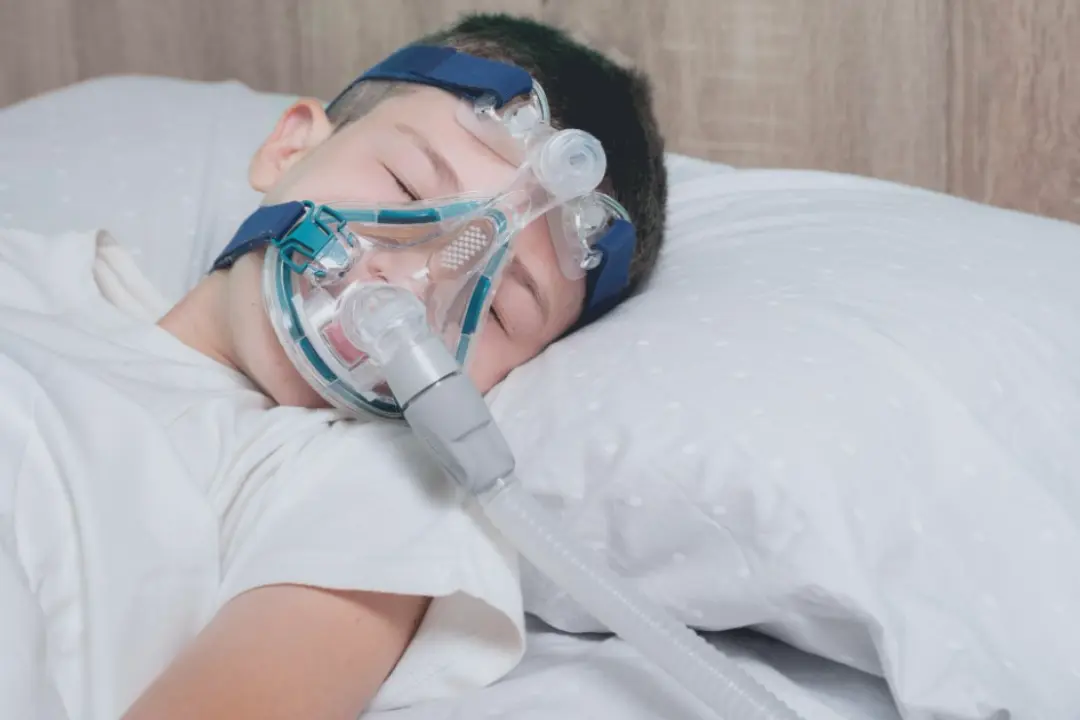
Signs of Sleep Apnea in Kids
Early detection is key. Common signs of obstructive sleep apnea in children include:
- Loud, regular snoring
- Pauses in breathing or gasping during sleep
- Restless sleep or frequent awakenings
- Daytime sleepiness, hyperactivity, or difficulty focusing
- Bedwetting or morning headaches
If you notice these signs, consult a paediatrician or sleep specialist for an evaluation.
Is Sleep Apnea in Toddlers Dangerous?
Yes, untreated sleep apnea in toddlers can be dangerous. It increases risks of growth delays, behavioural problems, and cardiovascular issues. Identifying symptoms early ensures timely treatment and protects long-term health.
Pediatric Sleep Apnea Guidelines
According to the Sleep Foundation, paediatric sleep apnea guidelines stress the importance of a proper diagnosis through a sleep study. Treatments range from surgical removal of tonsils and adenoids to using an apnea machine with kids CPAP mask UK for ongoing therapy.
Learn more about different types of machines in our comparison: Apnea Machine Differences Explained: Fixed, Auto, and BiPAP.
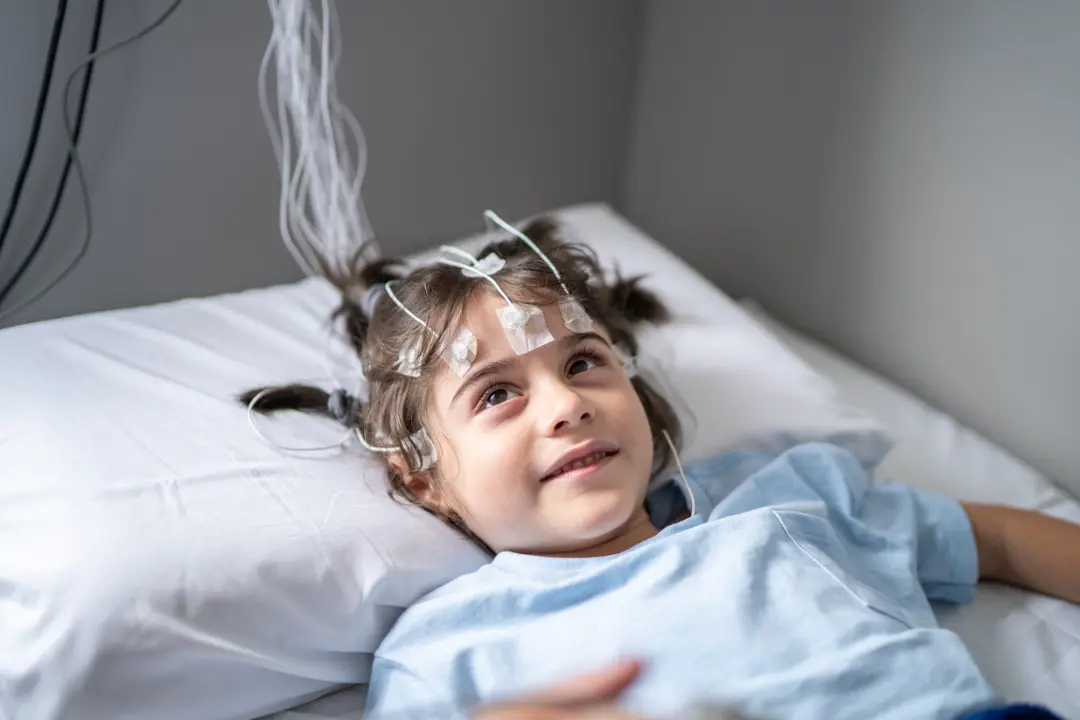
What Is the Best Sleeping Position for a Child with Sleep Apnea?
Children with sleep apnea often breathe better when sleeping on their side rather than their back. This position helps keep the airway open. In some cases, positional therapy is combined with medical treatment for best results.
Can Children Grow Out of Sleep Apnea?
Some children do outgrow mild cases of sleep apnea, especially if caused by enlarged tonsils or adenoids that are later removed. However, not all cases resolve naturally. Professional guidance is essential to ensure safe treatment and long-term monitoring.
For more about risks of leaving apnea untreated, see our post: Sleep Apnea Checker: Risks of Untreated Sleep Apnea.
Treatment Options and CPAP Devices
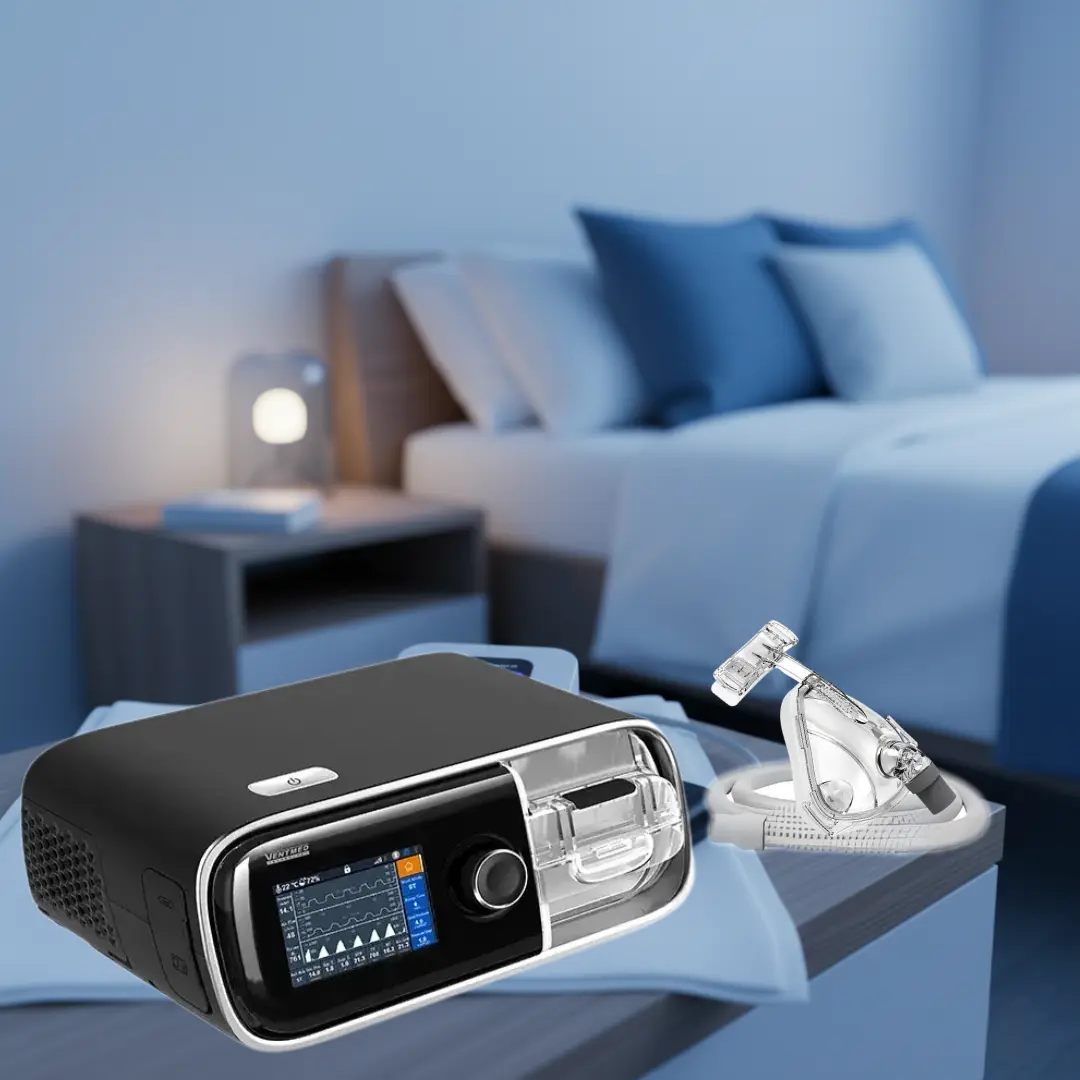
If surgery isn’t suitable, therapy with CPAP devices UK may be recommended. These machines deliver continuous airflow to prevent airway collapse. With the right kids CPAP mask UK, many children tolerate therapy well and experience significant improvements in energy, mood, and school performance.
Browse our full range of family-friendly options here: CPAP Machines.
Conclusion
Sleep apnea children cases are often overlooked, but early detection and treatment make a huge difference in quality of life. From lifestyle changes to paediatric CPAP therapy, solutions are available to help children breathe easier, sleep better, and thrive.
Frequently Asked Questions
Can children have sleep apnea?
Yes, children can have sleep apnea, often due to enlarged tonsils or adenoids, obesity, or nasal issues.
What are signs of sleep apnea in kids?
Loud snoring, gasping, restless sleep, daytime sleepiness, and behavioural changes are common signs.
What are pediatric sleep apnea guidelines?
Guidelines recommend diagnosis via sleep study and treatment options ranging from surgery to CPAP therapy.
What is the best sleeping position for a child with sleep apnea?
Side sleeping is often recommended to help keep the airway open.
Can children grow out of sleep apnea?
Some may, especially after tonsil removal, but ongoing monitoring is essential.
Is sleep apnea in toddlers dangerous?
Yes, untreated toddler sleep apnea can affect growth, development, and heart health.


_copy_6b59cfc2_90870a01.avif&w=1080&q=75)