Distilled Water UK Guide: What It Is, Why It Matters, and Where to Buy
When it comes to CPAP care and respiratory health, few details are as important as using the right water. In this distilled water UK guide, we’ll explain what it is, why it matters for your CPAP humidifier, and where to buy distilled water safely across the UK.
What Is Distilled Water and Why It Matters
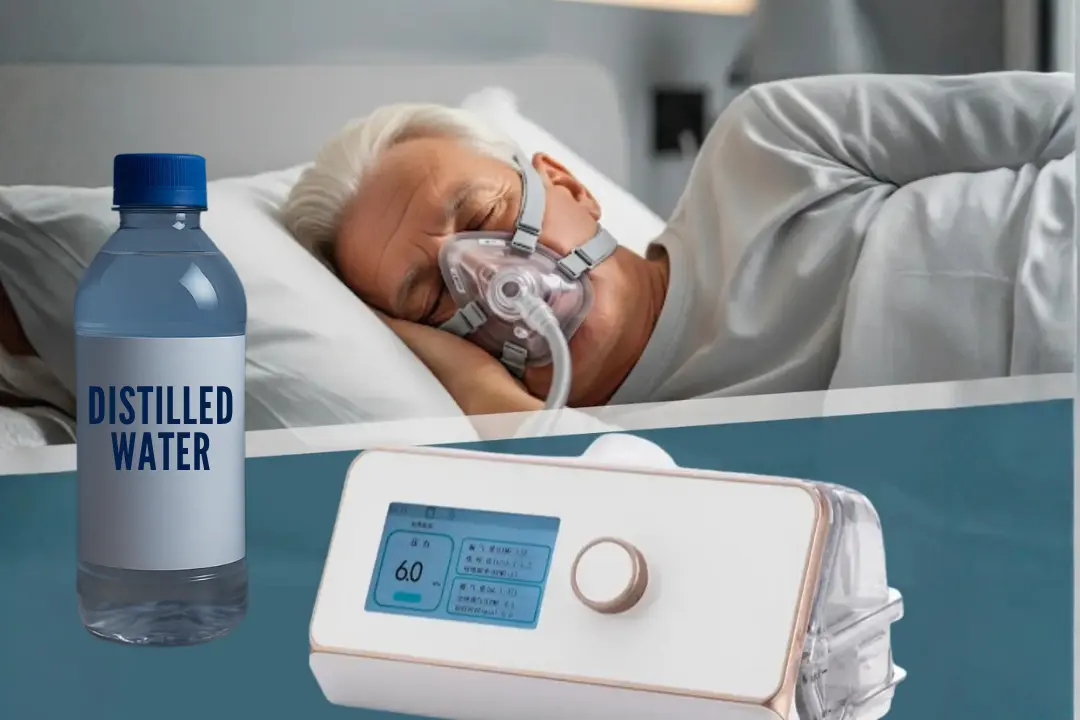
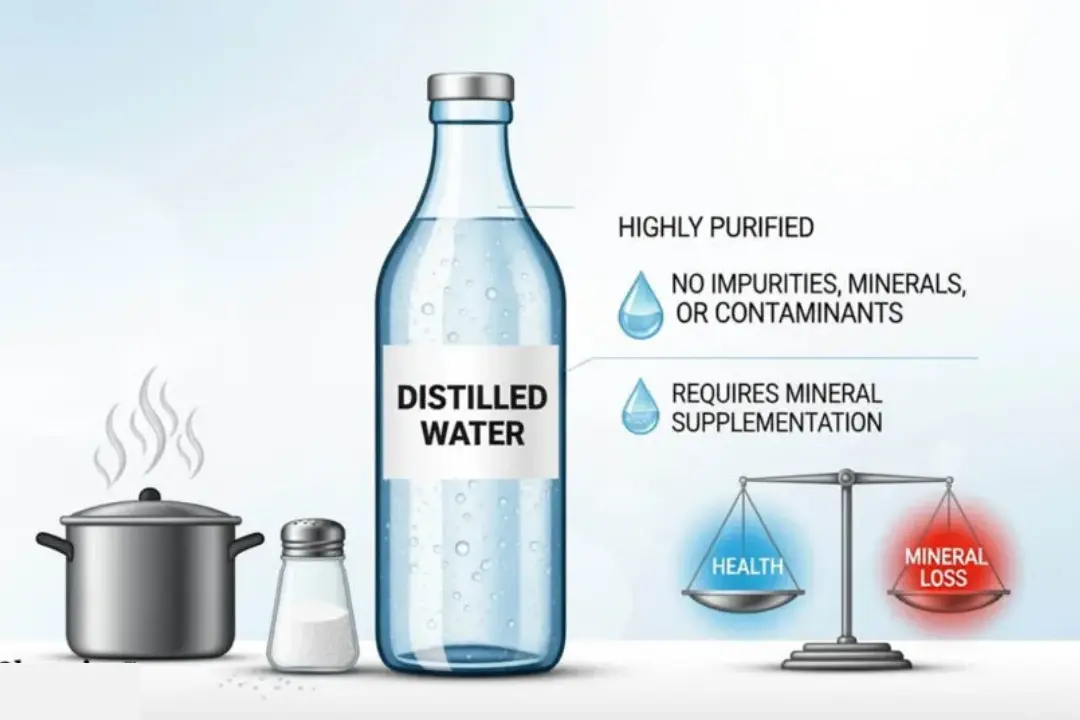
Distilled water is purified by boiling and condensing steam, leaving behind minerals and impurities. It’s recommended for CPAP humidifiers because it prevents mineral buildup that can damage your machine or irritate your airways. Using tap water, on the other hand, may cause scaling, bacteria growth, or even unpleasant odours.
Most of our CPAP machines and accessories include humidifiers designed specifically for use with distilled water. This ensures the air you breathe is clean, moist, and comfortable every night.
Do I Need a Humidifier If I Use CPAP?
Yes — a humidifier enhances comfort, especially if you experience dryness or nasal irritation. At Sleepap, we offer several CPAP and BiPAP machines with built-in humidifiers, combining quiet operation with effortless moisture control. This helps reduce the risk of dryness and “cotton mouth” while improving therapy comfort.
Learn how to use and maintain your humidifier correctly in our CPAP Humidifier Setup & Maintenance Guide.
How to Make Distilled Water at Home
If you can’t find distilled water near me, you can prepare it safely at home with basic kitchen tools:
- Fill a large pot halfway with tap water.
- Place a heat-resistant bowl inside the pot (it should float).
- Cover the pot with an upside-down lid and heat until water boils.
- Condensed steam will collect inside the bowl — this is your distilled water.
- Let it cool before using or storing in a clean container.
Make sure your setup prevents contamination — never touch the inner collection surface during or after boiling.
For more information on how CPAP therapy works and why humidification matters, read our educational post CPAP Therapy: How It Works Guide.
How to Prevent Cotton Mouth While Sleeping
“Cotton mouth” happens when airflow from your CPAP dries out your mouth and throat. To fix this:
- Use a humidifier with your CPAP machine.
- Ensure your mask fits properly to prevent air leaks.
- Use a heated hose for CPAP to maintain moisture in the airflow.
- Stay hydrated and avoid alcohol or caffeine before bed.
For additional hydration and respiratory health tips, visit the Sleep Foundation’s CPAP Resource.
Conclusion
Using distilled water UK in your CPAP humidifier is a small step that delivers major benefits. It keeps your system clean, prevents scaling, and ensures safe, comfortable therapy. Whether you buy it from your local shop or make it at home, distilled water helps protect your CPAP machine — and your health — for years to come.
Frequently Asked Questions
Do I need a humidifier if I use CPAP?
Yes. It helps prevent dryness and irritation. Sleepap offers machines with built-in humidifiers for effortless comfort.
Can I use tap water in my CPAP humidifier?
It’s not recommended. Tap water can leave mineral residue and cause bacterial growth inside the humidifier.
How to prepare distilled water?
Boil tap water, collect steam as it condenses, and cool it before use. This removes impurities and minerals safely.
Where can I buy distilled water near me?
Pharmacies, supermarkets, and medical suppliers across the UK offer distilled water — check for “100% distilled” labels.
How to prevent cotton mouth while sleeping?
Use a humidifier, adjust your mask fit, or add a heated hose to keep airflow moist throughout the night.


_copy_6b59cfc2_90870a01.avif&w=1080&q=75)