

Auto CPAP (APAP Machine) Explained: Is It Better Than Standard CPAP?
For many people treating sleep apnea, finding the most comfortable and effective device is essential. The APAP machine — short for Automatic Positive Airway Pressure — automatically adjusts pressure throughout the night, unlike traditional CPAP devices. But is it better, and who should use it? Let’s explore the differences, benefits, and when it might be worth switching.
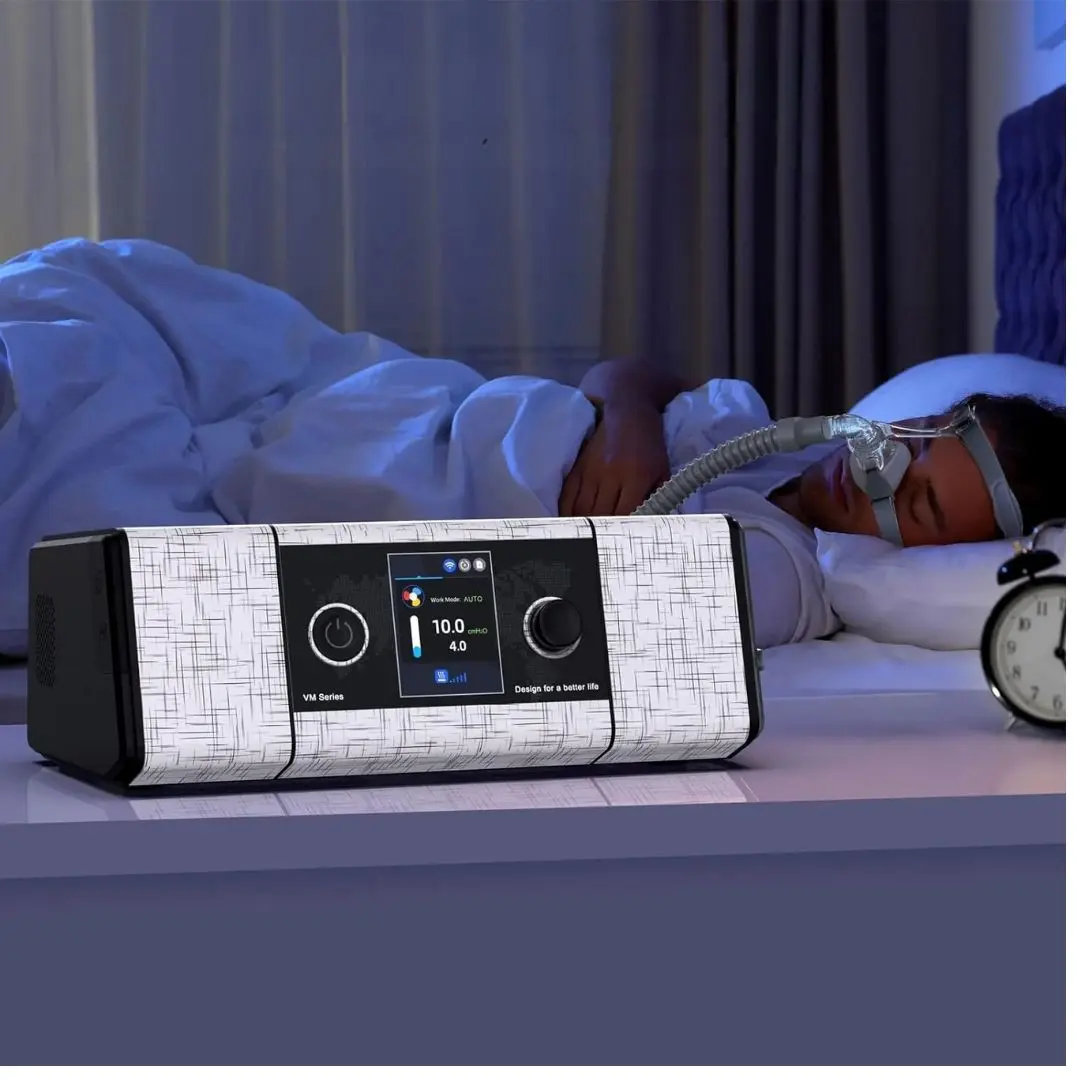
What Is an APAP Machine?
An APAP machine automatically adjusts the air pressure you need to keep your airways open while you sleep. Instead of a fixed setting, it responds to your breathing patterns in real-time, delivering only the pressure required at any given moment. This makes therapy more comfortable and adaptable for different positions or sleep stages.
To understand how it compares to traditional therapy, let’s look at automatic CPAP vs standard CPAP setups and when each is recommended.
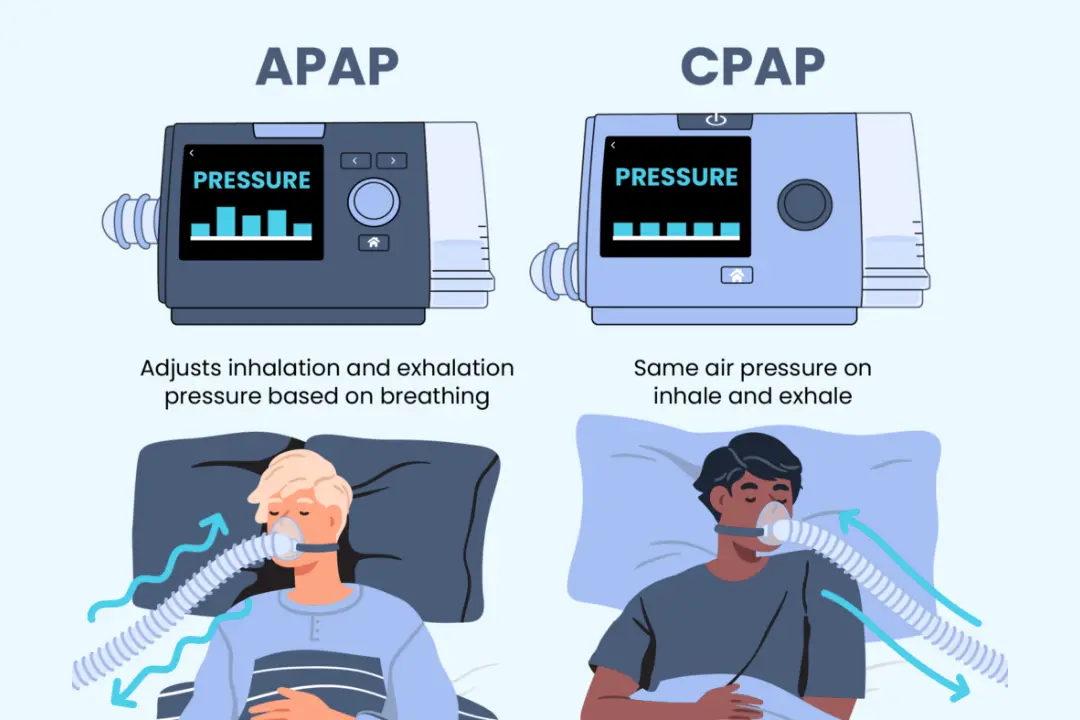
APAP Machine Benefits
Unlike standard fixed-pressure devices, automatic systems bring several comfort and health advantages. Here are some of the main apap machine benefits:
- Automatically adjusts to your breathing needs in real-time.
- Improves comfort by avoiding unnecessary high pressure.
- Reduces dry mouth and discomfort during long use.
- Ideal for people with changing sleep positions or nasal congestion.
- Often quieter and more energy efficient.
Many users find that switching to APAP improves overall therapy compliance and sleep quality.
Should You Switch from CPAP to APAP?
If you struggle with discomfort, pressure intolerance, or inconsistent sleep results on your CPAP, switching to APAP could be life-changing. The device reacts instantly to changes in your breathing, maintaining airway stability without feeling overpowered. Learn how others made the transition in our article on Sleep Apnea Tests at Home vs. Sleep Labs.
_66d7dc54.webp)
Recommended APAP Machine
One of our most popular devices is the Auto CPAP Machine VM-6 with Nasal Mask. It combines quiet operation, smart pressure adjustment, and user-friendly design — perfect for both new and experienced users.
APAP vs Standard CPAP: Which Is Better?
In most cases, APAP offers more comfort and flexibility, especially if your pressure needs change during the night. However, some people with complex apnea or central apnea may respond better to fixed CPAP settings under medical supervision.
As the Sleep Foundation explains, both devices are highly effective — choosing between them depends on comfort, clinical results, and personal preference.
FAQs
Should I switch from CPAP to APAP?
Yes, if you find fixed pressure uncomfortable or your symptoms vary during sleep. APAP automatically adjusts airflow for better comfort and efficiency.
Can I use oxygen instead of CPAP?
No. Oxygen therapy and CPAP serve different purposes. CPAP keeps airways open, while oxygen adds oxygen concentration. Some patients may use both together under a doctor’s advice.
What are the risks of using CPAP or APAP machines?
Risks are minimal when used correctly. Common side effects include mild nasal dryness or irritation, easily managed with humidifiers and mask adjustments.
Do I need a prescription for an APAP machine?
Some regions require a prescription, but at Sleepap.co.uk you can conveniently order APAP and CPAP machines without a prescription, with full customer support and express delivery within 48 Hrs.
Who should not use APAP?
People with central sleep apnea, severe respiratory failure, or certain heart conditions should use APAP only under medical supervision.
Conclusion
Both CPAP and APAP are effective in managing sleep apnea, but the apap machine stands out for its comfort and automatic precision. Whether you’re new to sleep therapy or looking to upgrade, investing in an adaptive system ensures restful nights and better health outcomes.


_copy_6b59cfc2_90870a01.avif&w=1080&q=75)