
_copy_6b59cfc2_90870a01.avif&w=1080&q=75)


How CPAP Therapy Works: A Complete Guide for Better Sleep
If you’ve been diagnosed with sleep apnea, CPAP therapy (Continuous Positive Airway Pressure) is one of the most effective and widely prescribed treatments. By gently maintaining airflow through a mask, it prevents airway collapse and ensures steady breathing throughout the night. The result? Deeper sleep, higher oxygen levels, and more energetic mornings.
What Is CPAP and How Does It Work?
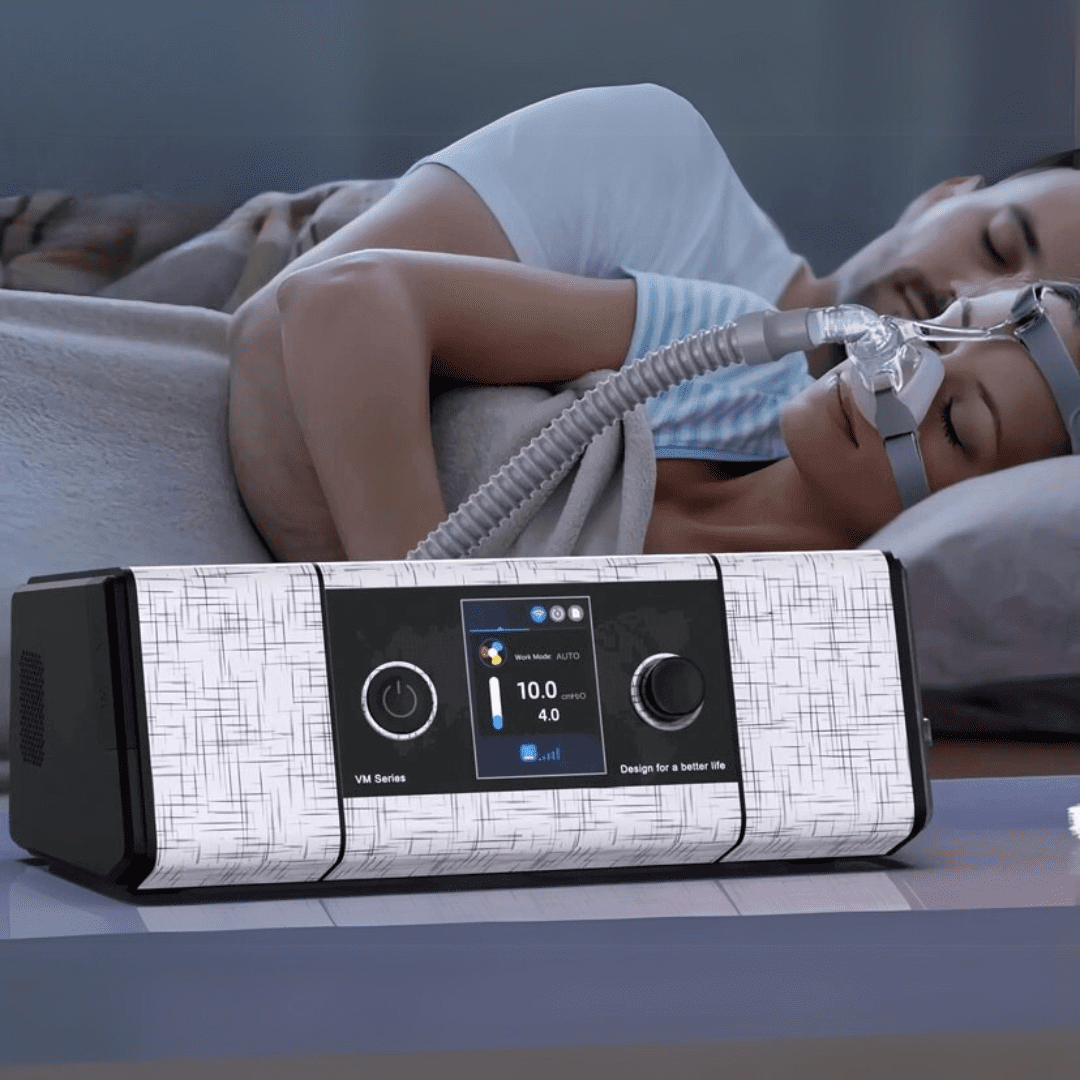
CPAP therapy uses a small bedside device that delivers a continuous stream of pressurized air through a mask fitted over your nose, or nose and mouth. This steady airflow keeps your airways open, preventing the breathing interruptions that define sleep apnea.
It’s considered a form of breathing therapy because it helps your body maintain oxygen balance naturally during sleep. The therapy reduces snoring, improves sleep quality, and can even lower the risk of heart complications related to untreated apnea.
Components of a CPAP Setup
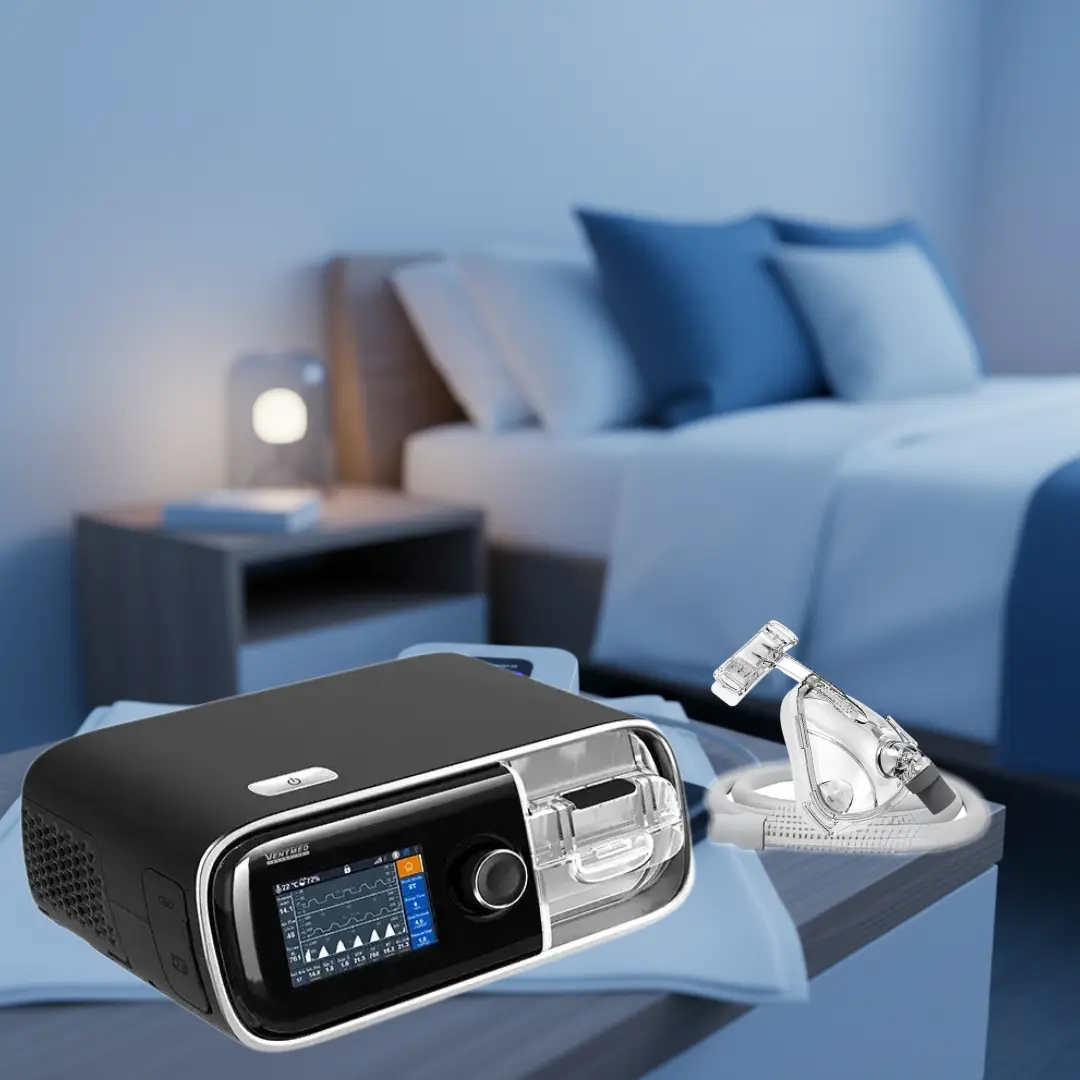
- Continuous Positive Airway Pressure Machine: The main device that generates airflow. (Explore our range of CPAP machines.)
- Mask: Available in nasal, full-face, or nasal pillow designs, depending on comfort and breathing habits.
- Tubing and Filters: Ensure clean, steady air delivery and connect the device to your mask.
- Humidifier (Optional): Helps reduce dryness or irritation from airflow.
The Science Behind Better Sleep
When you use a continuous positive airway pressure mask, your body receives consistent oxygen, allowing your heart and lungs to rest properly. Over time, this treatment enhances focus, mood, and overall energy levels.
For many patients, adjusting to therapy can take a few nights. However, persistence pays off — studies from the Sleep Foundation confirm significant improvements in daytime alertness and cardiovascular health.
CPAP vs. BiPAP: Which Is Right for You?
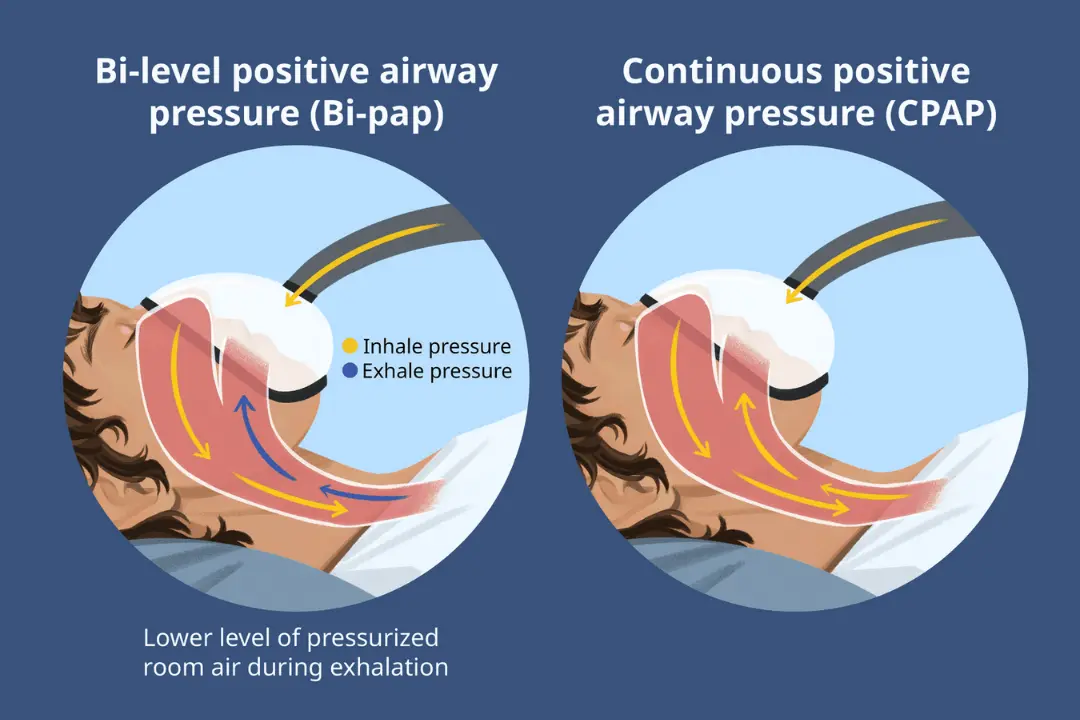
Both devices treat sleep apnea, but the difference lies in air pressure levels:
- CPAP: Provides constant air pressure.
- BiPAP: Offers different pressures for inhaling and exhaling — ideal for people who find CPAP uncomfortable or have complex breathing conditions.
To understand the difference in pressure settings and when each therapy is recommended, read our detailed guide on CPAP vs BiPAP: Understanding Pressure Settings and When Each Therapy is Recommended .
Your doctor or sleep specialist can help determine which option suits your needs and your continuous positive airway pressure machine price expectations.
Living Better with CPAP Therapy
Integrating CPAP use into your nightly routine can transform your life. Patients often report better focus, fewer headaches, and improved mood. Many also experience a dramatic reduction in snoring and morning fatigue.
With consistent use, you’ll not only sleep better — you’ll live better.
Conclusion
By maintaining open airways and steady oxygen flow, CPAP therapy remains the gold standard for treating sleep apnea. It’s a trusted, medically proven solution that restores your ability to rest deeply and wake refreshed — a small nightly habit that delivers life-changing results.
Frequently Asked Questions
What are the differences seen in a CPAP machine before and after using it?
Using a CPAP machine often leads to noticeable changes — reduced snoring, improved mood, and better concentration. Before use, many experience morning fatigue and headaches, but consistent CPAP use reverses these symptoms over time.
What happens to your body when you use a CPAP?
It restores proper oxygen flow, reduces heart strain, and helps regulate breathing patterns during sleep, promoting healthier heart and lung function.
Does CPAP stop snoring?
Yes. Because it maintains continuous airflow, it prevents the airway collapse that causes snoring. Learn more in our post on
Stop Snoring Solutions vs. Sleep Apnea.
Does a CPAP strengthen your lungs?
While CPAP therapy doesn’t directly strengthen lungs, it improves breathing efficiency. For natural strengthening, see our guide on
Exercise for Lungs and Sleep Apnea.
How quickly does CPAP therapy work?
Some notice results after the first few nights, while others need a few weeks for full benefits. The key is consistent nightly use.


