
_copy_6b59cfc2_90870a01.avif&w=1080&q=75)


Is Snoring Always Sleep Apnea? When to Try Stop from Snoring Solutions
Snoring can be frustrating for both the person snoring and anyone trying to sleep nearby. While sometimes harmless, persistent snoring can be a warning sign of sleep apnea. The good news is that modern therapies and stop from snoring solutions can make nights quieter and healthier. Let’s explore when snoring is just a nuisance, and when it may indicate a more serious condition.
Why Do People Snore?
Snoring occurs when airflow is partially blocked, causing tissues in the throat to vibrate. Factors like weight, nasal congestion, alcohol, or sleeping position often play a role. However, if snoring is loud and frequent, it could point to sleep apnea, a condition where breathing repeatedly stops during sleep.
For more on diagnosis, see our guide: Sleep Apnea Test at Home vs. Sleep Lab.
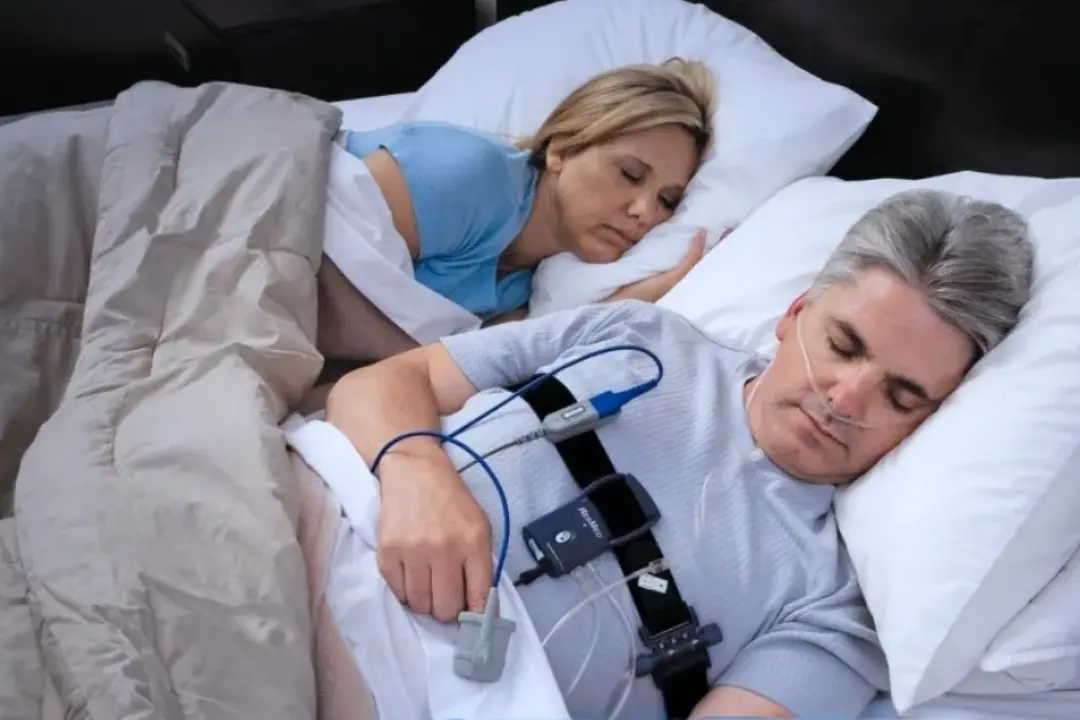
Snoring Aids and Devices
Many people turn to snoring aids and snoring devices to get relief. Some of the most common options include:
- Nasal strips: These widen the nostrils, improving airflow. Wondering “how do nasal strips work?” — they gently pull open nasal passages to reduce vibration.
- Mouthpieces: Stop snoring mouthpieces reposition the jaw or tongue to keep the airway open.
- Special pillows: Designed to improve head and neck alignment.
- Lifestyle changes: Reducing alcohol intake, losing weight, and changing sleep position.
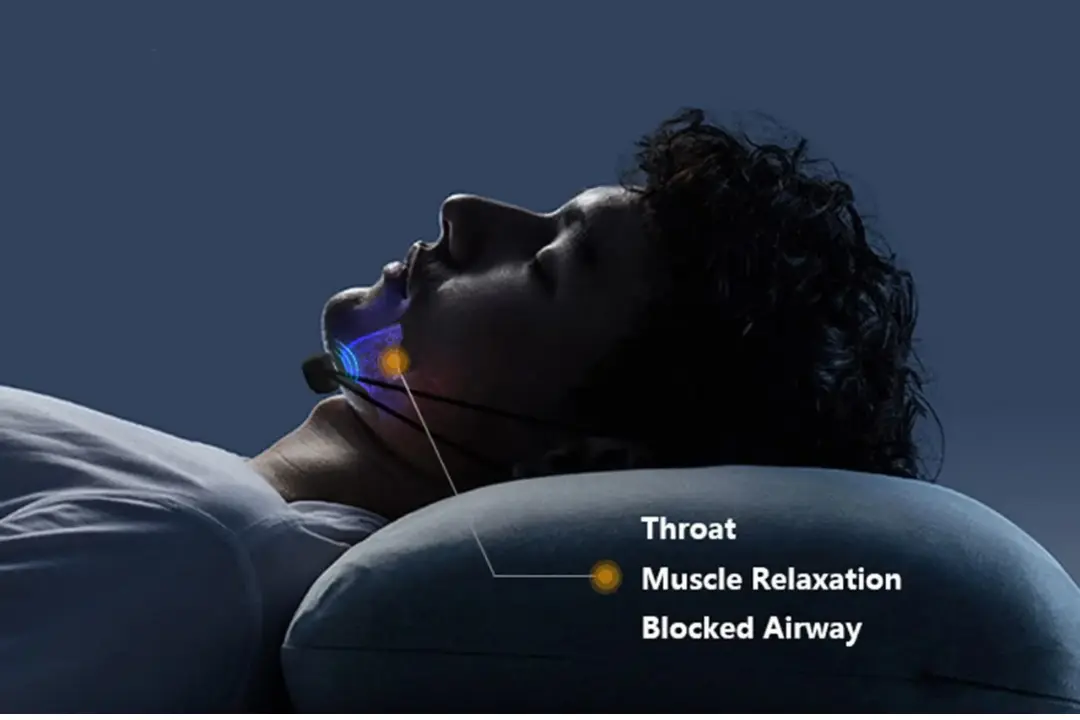
When Snoring Indicates Sleep Apnea
Snoring isn’t always sleep apnea, but if it’s accompanied by choking, gasping, or excessive daytime sleepiness, it’s worth seeking medical advice. In such cases, aids to prevent snoring may not be enough — treatment may require medical devices or therapy.
One effective solution is the CPAP machine, which uses continuous airflow to keep airways open. At Sleepap.co.uk, we offer a wide range of CPAP machines and accessories, available with 24/7 customer support.
Learn more about machine options in our article: CPAP vs BiPAP: Understanding Pressure Settings.
External Medical Insight
According to the Mayo Clinic, occasional snoring is common, but chronic, loud snoring can be linked to health risks like sleep apnea. Professional evaluation can determine the right approach.
Conclusion
Not every snore is a sign of sleep apnea, but persistent or disruptive snoring should not be ignored. From simple devices to stop snoring to CPAP therapy, effective solutions exist to restore quiet nights and better health. Finding the right balance between stop from snoring aids and medical treatment depends on your symptoms and diagnosis.
Frequently Asked Questions
Why do people snore?
Snoring happens when airflow is blocked, causing throat tissues to vibrate. Common causes include congestion, weight, and sleep position.
How do I stop snoring permanently?
Lifestyle changes, medical devices, and sometimes CPAP therapy are needed for long-term results. A doctor can recommend the best option.
How do nasal strips work?
Nasal strips gently widen nasal passages to improve airflow and reduce tissue vibration during sleep.
My husband snores so loud that I can’t sleep. What can I do?
Encourage him to try aids to prevent snoring like nasal strips or a mouthpiece. If the snoring is severe, a sleep test may be needed to check for apnea.
Does a CPAP machine stop snoring?
Yes. CPAP therapy eliminates airway collapse, which is the main cause of snoring in sleep apnea patients.


