
_copy_6b59cfc2_90870a01.avif&w=1080&q=75)


Exploring Treatment Paths: CPAP Machines Alternatives (Oral Appliances, Surgery, Positional Therapy)
While CPAP therapy remains the gold standard for treating sleep apnea, many patients explore CPAP machines alternatives due to comfort, travel, or personal preferences. Thankfully, new technologies and natural solutions now make it easier to manage apnea symptoms effectively without a mask.
Why Some People Seek CPAP Machines Alternatives
Some individuals find CPAP devices uncomfortable or challenging to use long-term. Claustrophobia, nasal dryness, and difficulty sleeping with a mask are common reasons. The good news is — modern non CPAP treatment for sleep apnea options provide flexibility without compromising results.
To understand how breathing exercises improve sleep quality, explore our guide: Exercise for Lungs: Natural Ways to Manage Sleep Apnea.
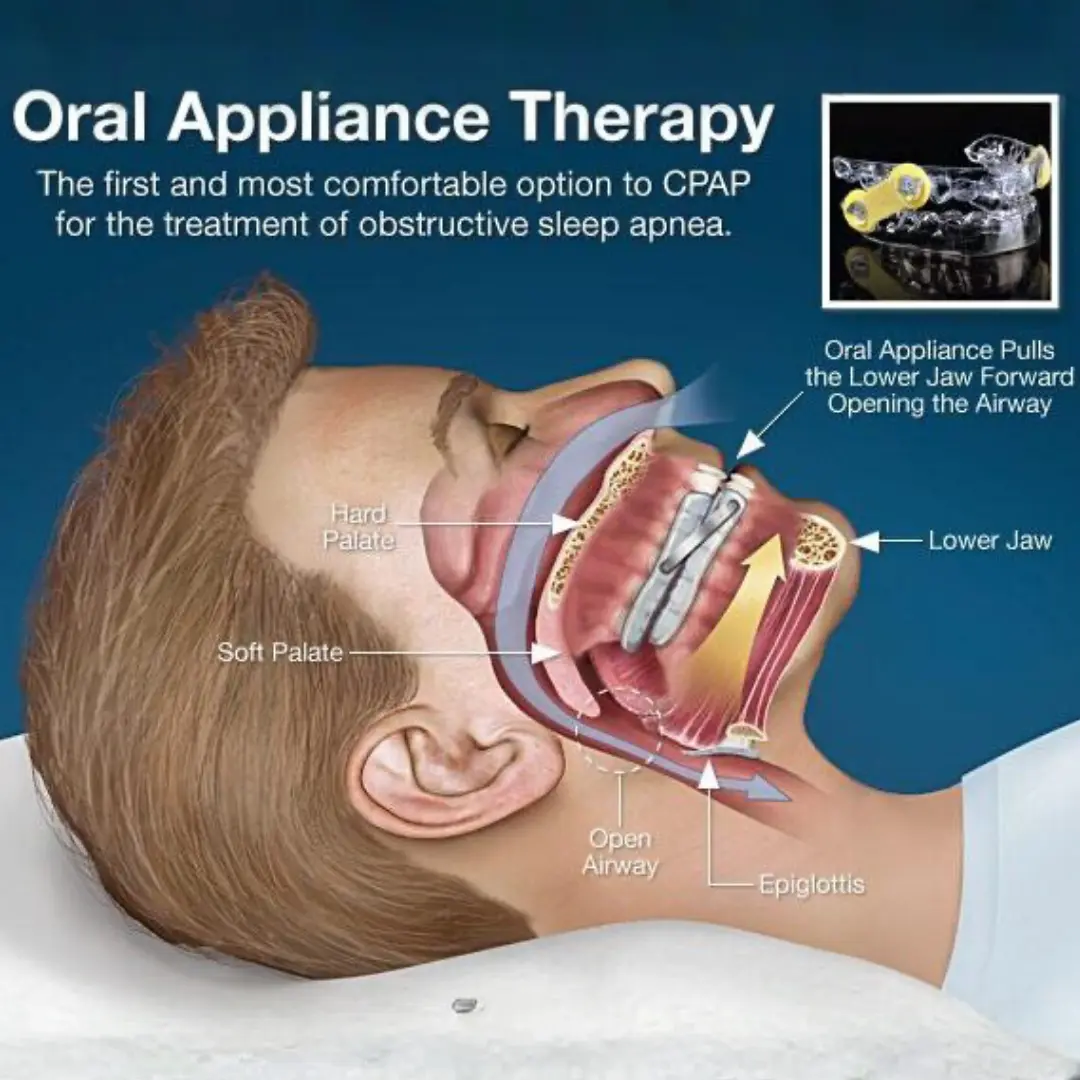
1. Oral Appliances (Mouthpieces)
An oral mouthpiece for sleep apnea — also known as a mandibular advancement device — repositions the lower jaw and tongue forward to keep airways open during sleep. It’s compact, travel-friendly, and often recommended for mild to moderate sleep apnea cases.
According to the American Sleep Association, oral appliances are an effective alternative when CPAP isn’t tolerated, especially for people who travel frequently or find masks uncomfortable.
2. Positional Therapy
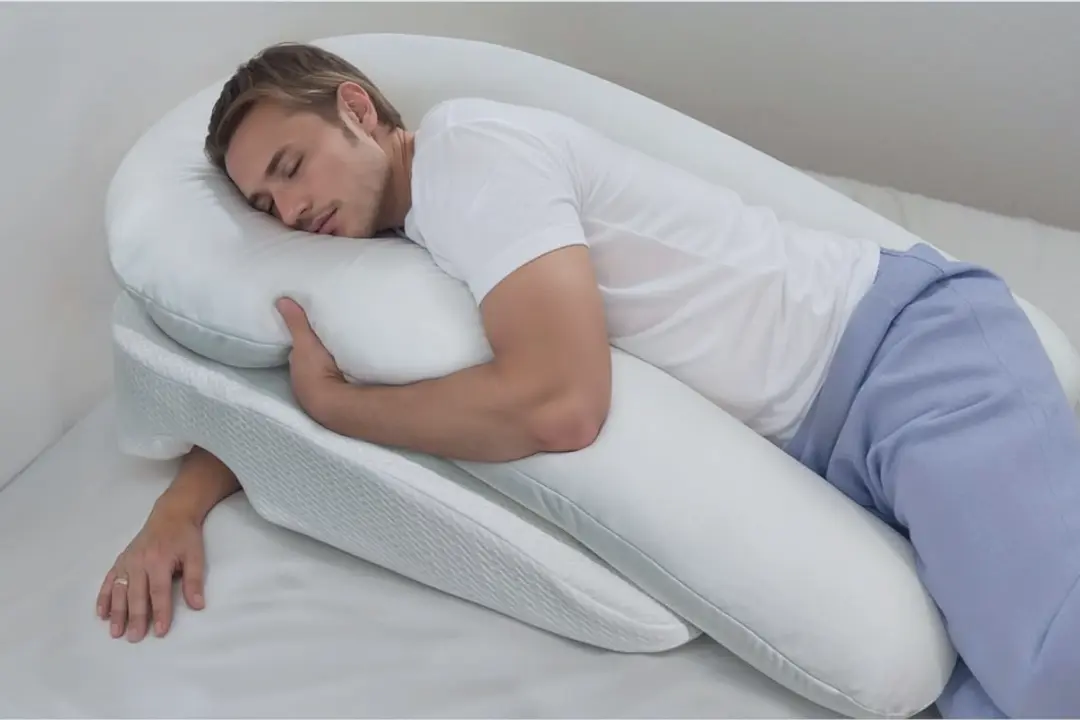
For some patients, sleep position has a major impact on airway collapse. Positional therapy uses devices or specially designed pillows to prevent sleeping on the back. A pillow for sleep apnoea can help maintain a side-sleeping position, reducing apnea events naturally.
3. Surgery Options
Surgical interventions may be considered when anatomical issues block airflow. Procedures such as UPPP (Uvulopalatopharyngoplasty) or Inspire therapy (nerve stimulation) can reduce obstructions in severe cases. Surgery is typically a last-resort option after exploring other sleep apnea treatment without CPAP methods.
4. Natural Solutions for Sleep Apnea
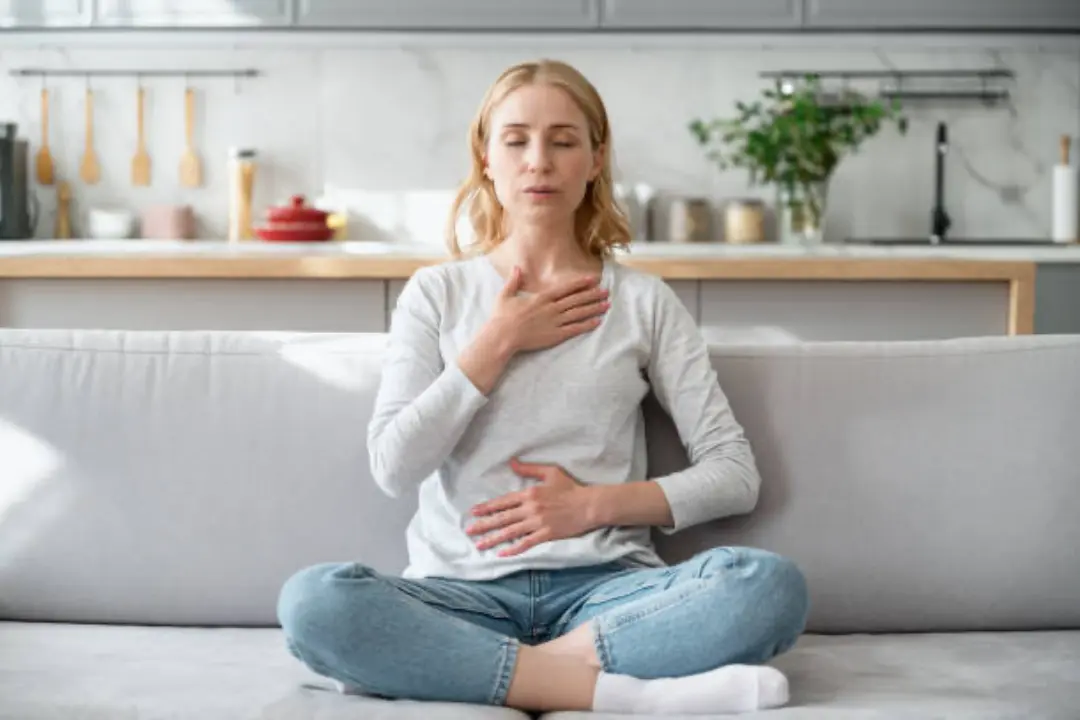
Many patients combine sleep apnea alternative treatment natural options such as weight loss, nasal breathing exercises, and yoga to improve oxygen flow and muscle tone. Maintaining a healthy sleep environment and avoiding alcohol before bedtime can also help reduce apnea symptoms naturally.
To explore practical methods, see our guides on Exercise for Lungs: Natural Ways to Manage Sleep Apnea and Stop from Snoring Solutions vs Sleep Apnea for complementary breathing and lifestyle techniques.
5. Supplemental Oxygen and Emerging Therapies
Some ask whether oxygen therapy can replace CPAP. While oxygen can help maintain blood oxygen levels, it does not address airway obstruction — the root cause of apnea. Therefore, oxygen may supplement but not substitute CPAP or other CPAP machines alternatives.
What If You Don’t Have Access to Your CPAP?
If you forget or temporarily can’t use your CPAP, focus on side-sleeping, avoiding sedatives or alcohol, and using an oral mouthpiece or nasal strips. For frequent travellers, lightweight portable CPAP machines provide flexibility and consistent therapy wherever you go.
Conclusion
Exploring CPAP machines alternatives helps many patients find comfortable and effective therapy suited to their lifestyle. Whether you choose an oral appliance, positional device, or natural approach, combining medical guidance with modern tools can significantly improve sleep quality and overall wellbeing.
Frequently Asked Questions
How to cure sleep apnea naturally at home without CPAP?
Practice breathing exercises, maintain a healthy weight, and avoid sleeping on your back. Side-sleeping and nasal breathing techniques can reduce mild symptoms.
What are apnea treatment options without CPAP?
Oral appliances, positional therapy, lifestyle changes, and certain surgeries are all recognized non-CPAP alternatives.
What can I do if I don't have my CPAP machine?
Use a travel-friendly oral appliance or positional pillow. Avoid alcohol or sedatives before sleep to reduce breathing interruptions.
Can you use oxygen instead of CPAP?
No. Oxygen therapy supports blood oxygen but doesn’t address blocked airways — CPAP or other mechanical solutions remain necessary.
How to stop snoring without a CPAP machine?
Use an anti-snore pillow, avoid sleeping on your back, and try oral appliances or breathing exercises.


