Full Face Mask vs Nasal Pillow: Which Mask is Best for Side Sleepers and Mouth Breathers?
Choosing between a full face mask and a nasal pillow mask is one of the most common challenges for CPAP users. Your sleeping position, breathing habits, and comfort preferences all play a role in finding the right fit. According to NHS sleep apnoea guidance, a well-fitting mask can dramatically improve treatment success and long-term comfort.
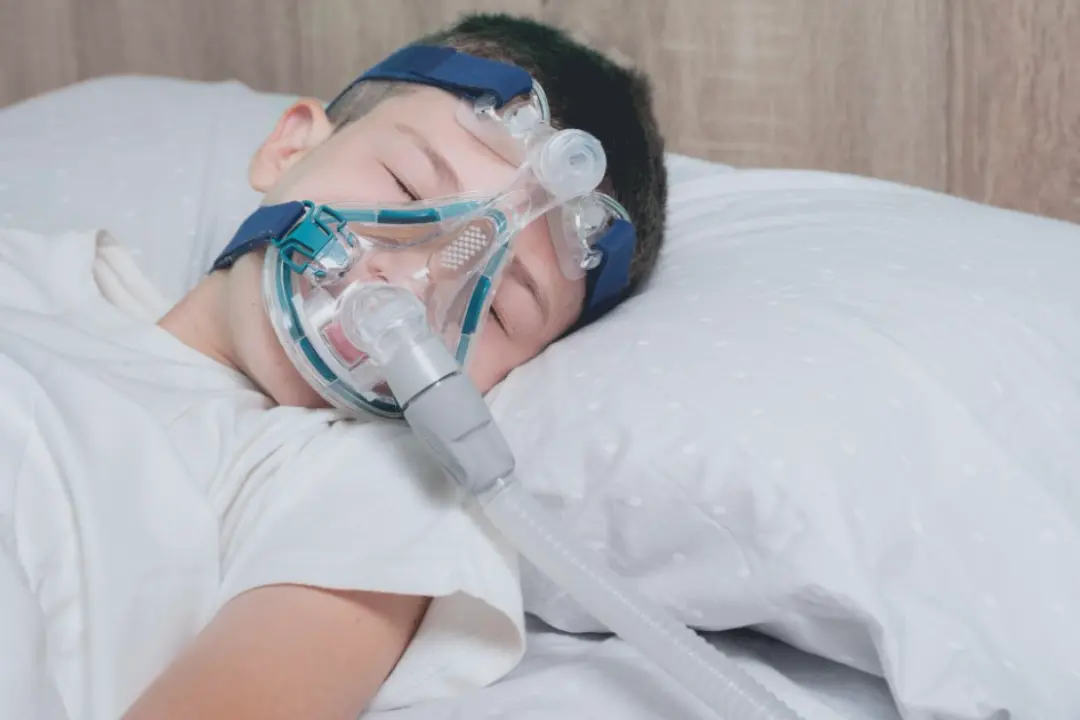
Understanding the CPAP Full Face Option
A cpap full face mask covers both your mouth and nose, ensuring steady air pressure even if you breathe through your mouth during sleep.
- Pros: Ideal for mouth breathers or those with nasal congestion; delivers stable pressure at higher settings; can reduce leaks for people who move during sleep.
- Cons: Can feel warmer or bulkier than nasal options; may leave marks or feel restrictive for some side sleepers.
- Best for: Mouth breathers, allergy sufferers, and users needing higher pressure levels.
Learn more about mask design differences in our detailed post: CPAP Mask Types and Fit: Nasal Pillow, Nasal, and Full Face Designs.
Understanding the Nasal Pillow Mask
A nasal pillow mask seals directly at the nostrils with two soft cushions. It’s the lightest and least obtrusive option, making it a favourite among active or side sleepers.
- Pros: Minimal facial contact; great visibility; flexible for side sleepers; easy to clean and travel-friendly.
- Cons: Not suitable for mouth breathers without a chin strap; can cause dryness at high pressures.
- Best for: Side sleepers, nasal breathers, and those seeking a lightweight option.
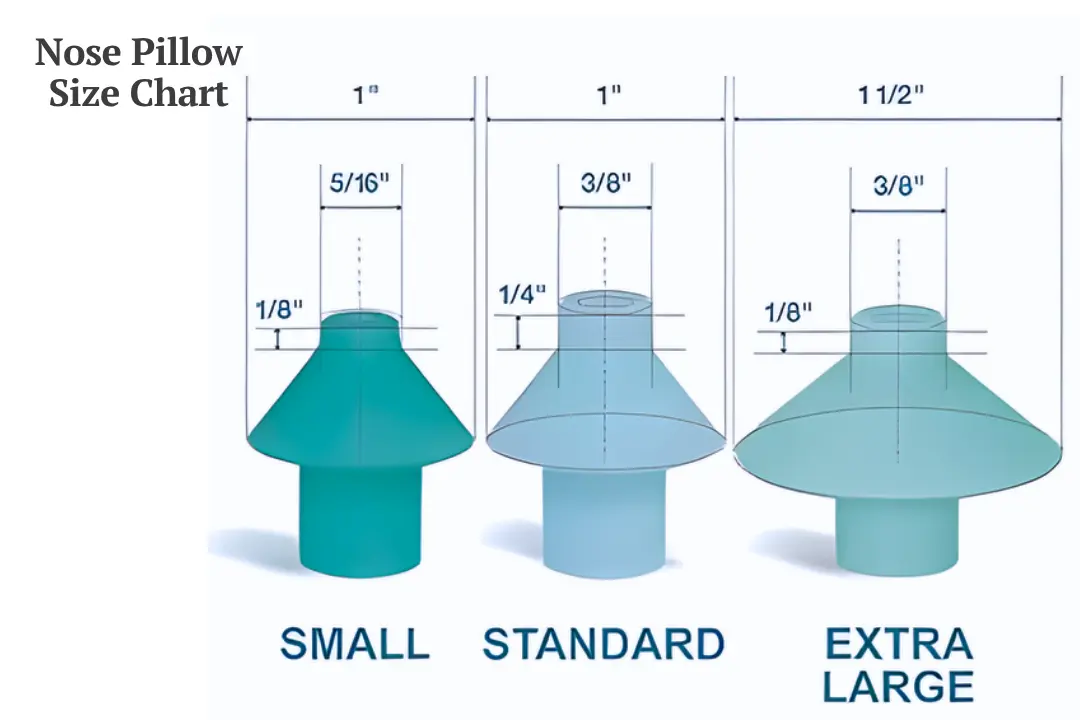
Which Mask Is Better for Side Sleepers?
For most side sleepers, a nasal pillow mask or cpap nose mask provides the best balance of comfort and freedom of movement. Its slim profile prevents pressure points and helps maintain a solid seal even when changing sides. If you’re a side sleeper who also breathes through your mouth, consider a compact full-coverage option with flexible headgear.
For help with sizing and comfort, see: The CPAP Masks Sizing Guide: Ensuring a Leak-Free, Comfortable Seal.
Best Choices for Mouth Breathers
If your mouth opens during sleep, air can escape and reduce therapy effectiveness. A cpap full face mask is the most reliable solution for mouth breathers — it maintains continuous pressure even when nasal breathing isn’t possible.
Explore our complete range here: CPAP Masks Category.
Machines, Bundles & “Free Mask with Any Machine”
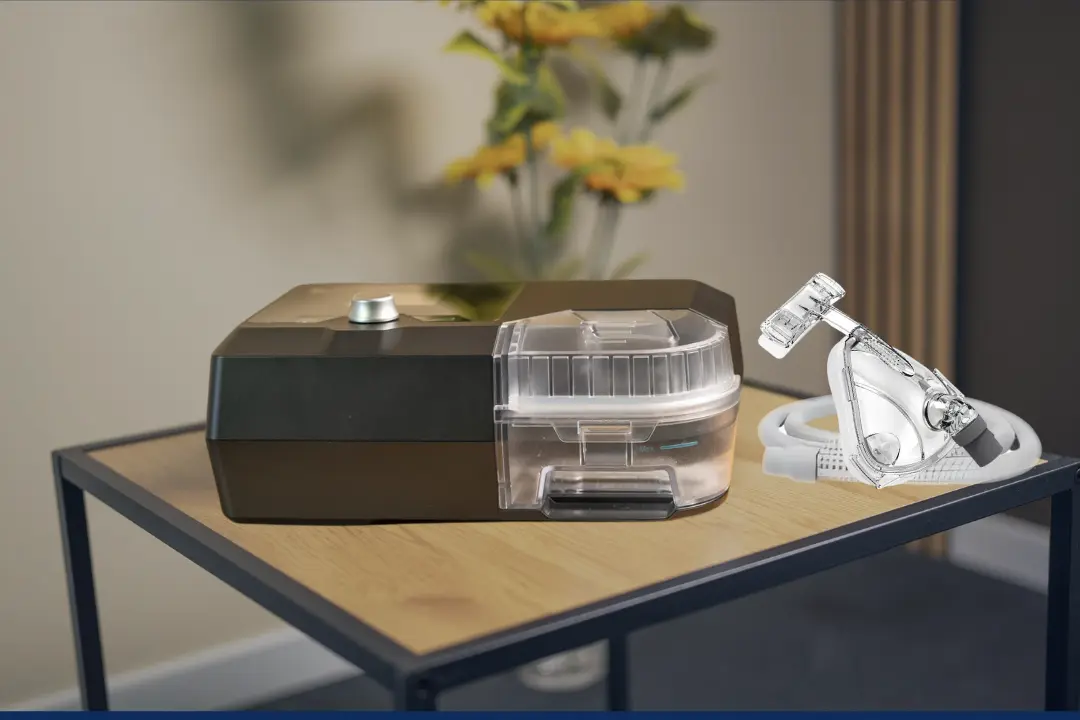
When browsing the CPAP Machines Category at Sleepap, remember we offer a free mask with any machine — perfect for testing your ideal fit. To understand device types, see: Apnea Machine Differences Explained: Fixed, Auto, and BiPAP.
Nose Breathing and Nasal Strips
How do nasal strips work? They gently lift and open the nasal passages, improving airflow during sleep.
How do nose breathing strips work? An adhesive band with flexible tension widens the nostrils, reducing resistance and helping with snoring or mild congestion.
While these aids can improve comfort, they don’t replace masks for sleep apnoea or CPAP therapy — which remain the gold standard for treating sleep apnoea.
The 4-Hour Rule & Best Sleeping Position
What is the 4 hour rule for CPAP? Many healthcare standards define “compliance” as using CPAP for at least 4 hours per night. However, 6–8 hours is ideal for best results.
What is the best position to sleep in with sleep apnea? Side sleeping generally works best — it helps keep the airway open and reduces apnoea events. Back sleeping increases airway collapse risk.
Conclusion
Whether you choose a full face mask or a nasal pillow mask, the best option depends on how you breathe and sleep. Side sleepers typically benefit from nasal pillows, while mouth breathers often require full coverage for consistent therapy. Explore top-rated mask options in our CPAP Masks Category, or find the perfect pairing with a device — and remember, Sleepap includes a free mask with every machine in our CPAP Machines Category.
Frequently Asked Questions
How do nasal strips work?
Nasal strips gently open your nasal passages to improve airflow, helping reduce mild snoring or congestion.
How do nose breathing strips work?
They lift the nostrils mechanically to widen airflow, reducing resistance — useful for comfort but not a treatment for sleep apnoea.
What is the best mask for side sleepers?
A nasal pillow mask or cpap nose mask is ideal for side sleepers due to its lightweight, low-profile design.
What is the 4 hour rule for CPAP?
It refers to the minimum nightly usage time (4 hours) recommended for effective therapy compliance.
What is the best position to sleep in with sleep apnea?
Sleeping on your side helps keep the airway open and reduces breathing interruptions.


_copy_6b59cfc2_90870a01.avif&w=1080&q=75)