
_copy_6b59cfc2_90870a01.avif&w=1080&q=75)


CPAP Mask Types and Fit: A Deep Dive into Nasal Pillow, Nasal, and Full Face Mask Designs
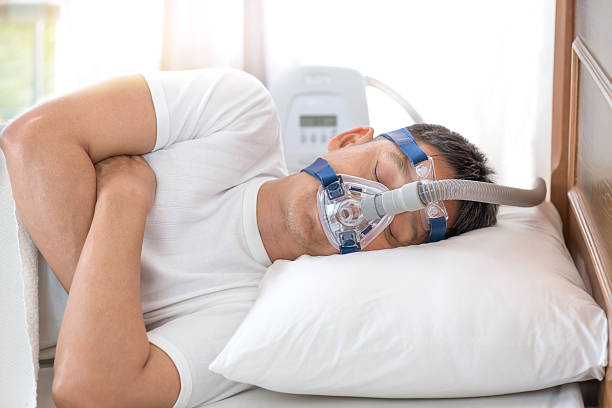
Finding the right CPAP mask is one of the most important parts of successful sleep apnoea therapy. The mask connects you to your machine, delivers steady airflow, and determines how comfortable your nights will be. From minimal nasal pillow masks to full-coverage CPAP full face masks, each design serves different sleep styles and breathing needs.
According to NHS sleep apnoea guidance, choosing a comfortable and well-fitting mask dramatically improves adherence and treatment effectiveness.
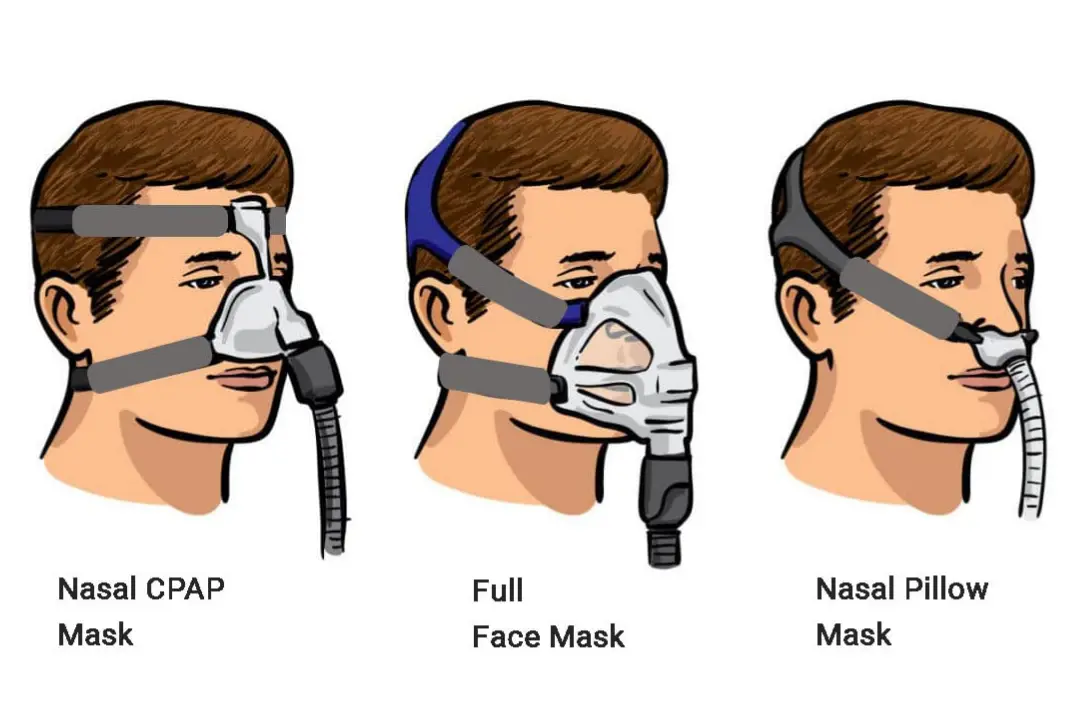
CPAP Mask Types Explained
1. Nasal Pillow Masks
Lightweight and minimal, nasal pillows seal directly at the nostrils with two soft silicone cushions. They are perfect for people who feel claustrophobic with larger masks or wear glasses at night.
Best for: Active sleepers, those who breathe through the nose, and people who prefer a minimal design.
Drawbacks: May not suit mouth breathers and can cause dryness at higher pressures.
2. Nasal Masks
CPAP nasal masks cover the nose from the bridge to the upper lip. They balance comfort and stability, offering a natural airflow while allowing movement during sleep.
Best for: Moderate pressure settings, side or back sleepers, and users who prefer a softer seal than full-face options.
Drawbacks: May leak if the mouth opens during sleep.
3. Full Face Masks
A CPAP full face mask covers both the mouth and nose, making it ideal for mouth breathers or those with nasal congestion. It ensures consistent pressure delivery even if you breathe through your mouth.
Best for: High pressure therapy, mouth breathers, and people with seasonal allergies or blocked sinuses.
Drawbacks: Larger and heavier than nasal designs and can feel warmer or less flexible.
Why Fit and Comfort Matter
Even the best CPAP masks won’t help if they don’t fit well. A poor seal leads to leaks, discomfort, and disrupted sleep. Your mask should sit snugly but not tightly, and headgear should distribute pressure evenly across your face.
If you’re uncertain which option suits you, explore our full range of CPAP Masks or compare devices in our CPAP Machines Category.
CPAP Mask Compatibility and Machine Pairing
When pairing your CPAP machine and mask, consider your breathing habits and pressure settings. Most masks are universally compatible, but travel machines or auto-adjusting models may benefit from lighter, more flexible mask styles.
For a comparison of fixed, auto, and travel machines, see our guide: Choosing CPAP Machines: Fixed, Auto, and Travel Options Reviewed.
For paediatric users or parents seeking guidance, read our post: Sleep Apnea in Children: Symptoms and Treatment Guide.
Comfort Tips for New Users
- Try different cushion materials (gel, silicone, or memory foam).
- Clean your mask daily with mild soap and water.
- Replace cushions every few months for a consistent seal.
- Adjust straps gently — overtightening reduces comfort.
If irritation persists, switching to a different mask for sleep apnoea type (nasal vs. full face) often helps.
_e96b1df2.webp)
Conclusion
Selecting the right CPAP mask is a balance between comfort, seal, and sleep style. Whether you prefer a discreet nasal pillow mask, a balanced nasal mask, or a full-coverage design, fit and comfort are the keys to successful therapy. Pair your mask with the right machine, and you’ll transform your sleep — and your health.
Frequently Asked Questions
Is CPAP good for your lungs?
Yes. Using a CPAP machine and mask supports healthy oxygen flow, reducing strain on the lungs and heart. It doesn’t weaken your lungs; it helps them function more efficiently during sleep.
Does a CPAP machine stop snoring?
Absolutely. Continuous air pressure keeps your airway open, preventing the tissue collapse that causes snoring. Most users experience reduced or eliminated snoring with consistent CPAP use.
Which is the most comfortable mask type?
Comfort depends on personal preference. Many find CPAP nasal pillows the lightest and most minimal, while others prefer the stability of nasal masks or CPAP full face masks for higher pressures.
How many hours a night should you wear a CPAP mask?
Aim for at least 6–7 hours per night. The longer you use your mask, the more effective your therapy will be.
What is the 4-hour rule for CPAP?
The “4-hour rule” refers to the minimum usage time per night required by some insurance and healthcare guidelines for therapy compliance. Using your mask for four hours or more ensures you’re getting effective treatment.


