CPAP Cleaning Made Simple: The Essential Hygiene Guide
Maintaining good cpap cleaning habits is vital to protect your health and preserve your therapy equipment. This guide covers safe methods for mask, hose, and connector cleaning, plus replacement tips and troubleshooting.
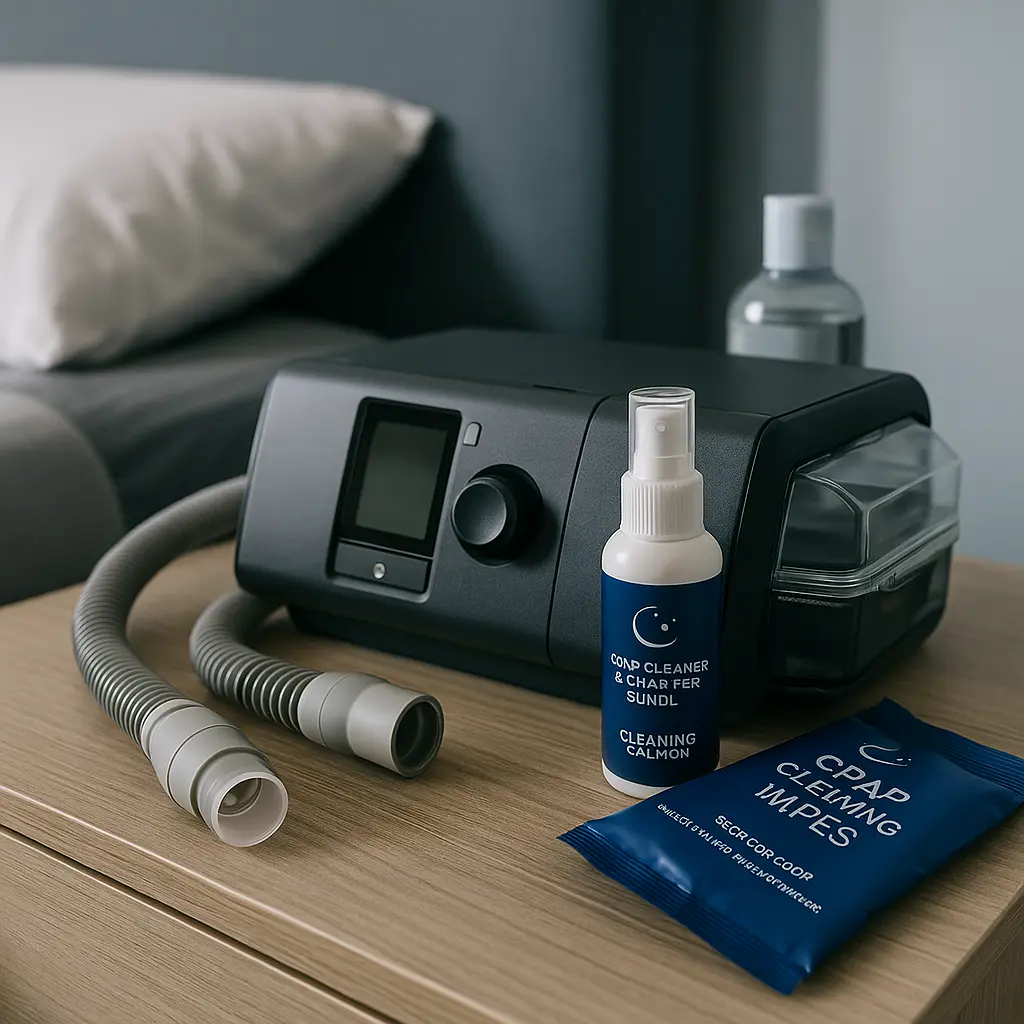
Why Proper CPAP Cleaning Matters
Your CPAP therapy delivers humidified air night after night. Without regular cleaning, moisture, facial oils, and microbes can build up in tubing, mask parts, and connectors — leading to irritation, odors, or worse. Authorities like the American Lung Association emphasize the importance of daily cleaning to prevent respiratory complications. (American Lung Association CPAP advice)
Daily Cleaning Routine
Keep things simple and consistent:
- Disconnect mask, hose, and humidifier chamber.
- Rinse mask cushion and frame with warm water and mild soap. Avoid harsh chemicals.
- Let all parts air dry on a clean cloth.
Weekly Deep Cleaning & Vinegar Use
Once a week, perform a more thorough wash:
- Soak mask parts, tubing, and connectors in warm water and dish soap (30 minutes).
- Optionally, add a light 1:3 white vinegar solution (vinegar diluted with water) for mask cushions or connectors — then rinse thoroughly. This is a gentle version of cpap vinegar cleaning.
- Clean humidifier chamber with soap or vinegar then rinse and dry completely.
Avoid using vinegar where silicone or adhesives are present, and never immerse the machine itself.
Hose, Connectors & Replacements
Your hose is the spirit of the system. Practice regular cpap hose cleaning using soak and rinse methods. Check cpap hose connector parts for discoloration or stiffness. Replace hoses every 3–6 months or sooner if wear appears — these are your lines to clean, dry air flow.
Mask Hygiene & UK Options
Users in the UK can choose from many options — cpap masks UK supplies quality cushions and frames. Clean daily, and replace cushions or masks every few months based on wear. Avoid bleach, alcohol, or abrasive cleansers to preserve materials. Internal links: Learn more about mask design in CPAP Mask Types & Fit and about liners in Mask Liners Guide.
What the Studies Show & Long-Term Safety
Research finds that regular cleaning reduces microbial growth in CPAP systems, though serious infections are rare if hygiene is maintained. Over time, neglect can increase risk of respiratory irritation or sinus complaints. Still, neither CPAP nor BiPAP systems are risk-free—see our post comparing modes: APAP vs Standard CPAP.
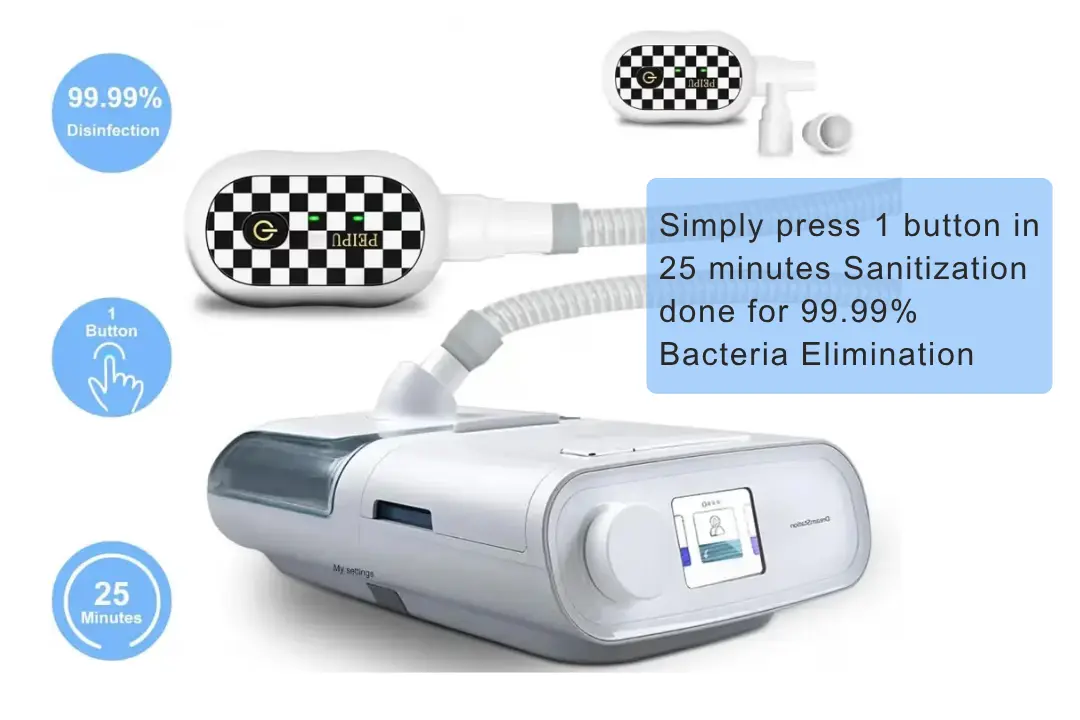
Recommended Accessories by Sleepap
To help simplify cleaning, Sleepap offers:
- CPAP Cleaner & Sanitizer Bundle — kit for mask, tubing, and humidifier care
- CPAP Cleaning Wipes — convenient for quick on-the-go wipe-downs
Conclusion
Effective cpap cleaning is straightforward when built into your daily and weekly routine. By rinsing mask parts, soaking tubing, and replacing worn components on schedule, you protect your health and your equipment. Keep things simple, stay consistent, and your CPAP system will serve you well for years.
Frequently Asked Questions
Is it safe to use a smelly CPAP hose?
No — odor generally signals microbial growth. Clean deeply or replace the hose before continued use.
What is the best way to clean your CPAP machine?
Use warm water and mild soap on detachable parts. Do not submerge the main unit — wipe with a damp cloth.
What are CPAP machine long term side effects?
If hygiene is neglected, risks include nasal irritation, sinus issues, or weak infection risks. Regular cleaning mitigates these.
What if I never clean my CPAP machine?
You may risk buildup of mold, bacteria, odors, leaks, and reduced efficacy — long-term use without care increases discomfort and potential health risks.
How often do you need to clean a CPAP?
Clean mask and tubing daily; deep soak weekly; replace parts per manufacturer guidelines.


_copy_6b59cfc2_90870a01.avif&w=1080&q=75)