
_copy_6b59cfc2_90870a01.avif&w=1080&q=75)


Comparing Devices to Stop Snoring: Nasal, Oral Appliances, and External Vents
Snoring isn’t just a nightly inconvenience — it can affect sleep quality for both you and your partner. Understanding the different devices to stop snoring can help you choose the right solution for quieter, healthier nights. From nasal strips to oral appliances and CPAP therapy, here’s how each option works and who benefits most.
Nasal Devices: Strips and External Vents
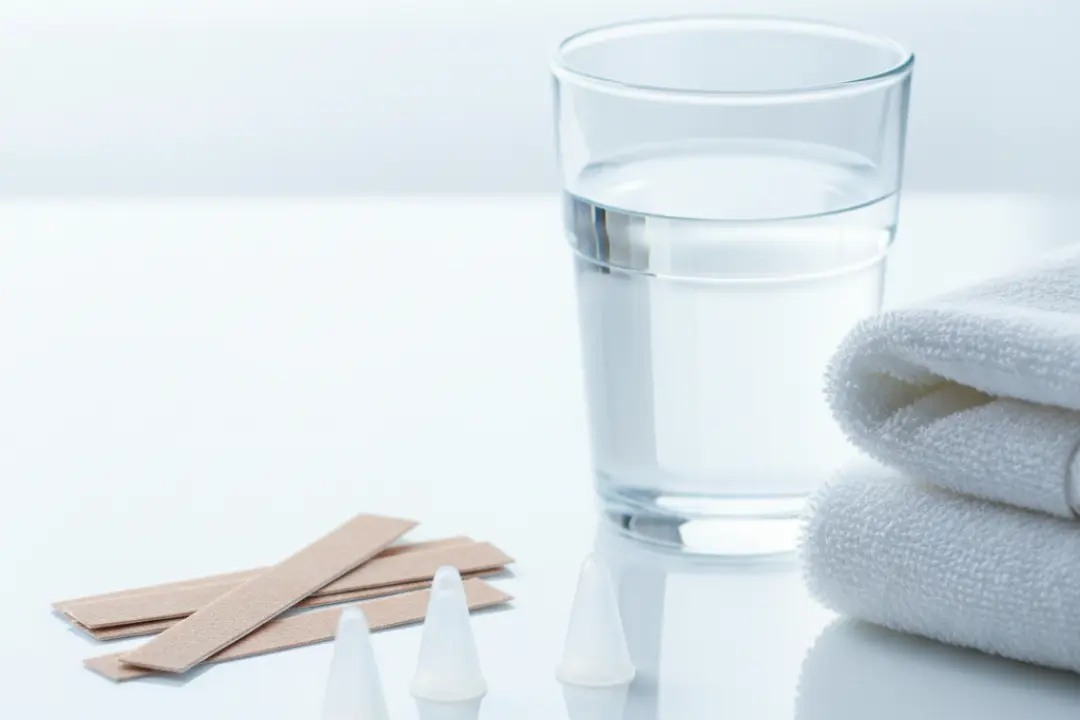
Nasal strips and vents are among the simplest ways to improve airflow. They physically widen the nostrils, reducing vibration in soft tissues — the main cause of snoring. If you’ve ever wondered how do nasal strips work, they gently lift the nasal passages open using mild tension, making it easier to breathe through your nose while you sleep.
These are drug-free, affordable, and ideal for mild snorers. For persistent blockage or sleep apnea symptoms, pairing them with other solutions can offer greater relief.
Oral Appliances and Mouthpieces
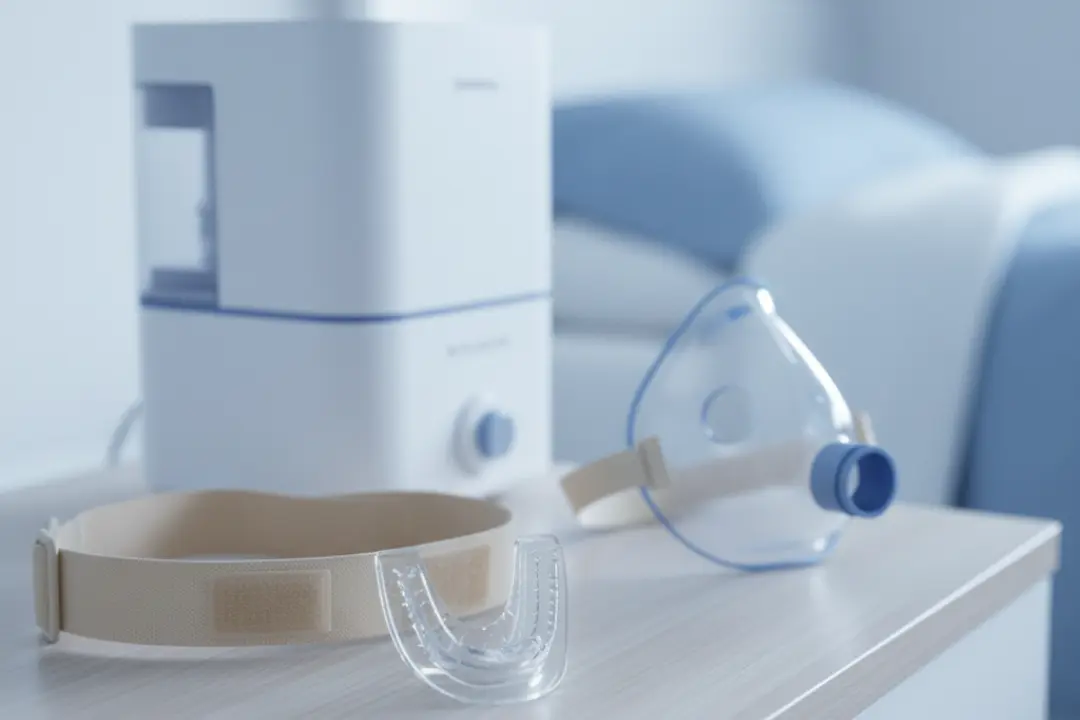
For moderate snoring or sleep apnea, oral devices such as mandibular advancement mouthpieces reposition your jaw slightly forward to keep your airway open. A quality oral mouthpiece for sleep apnea can help reduce obstruction and ease breathing through the night.
These are custom-fitted by dentists or sleep specialists and are often recommended when nasal devices alone don’t solve the issue. You can learn more about how snoring links to sleep apnea in our article Snoring vs Sleep Apnea: Understanding the Difference.
Chin Straps and Snoring Pillows
For mouth breathers, a chin strap can be an effective stop snoring device. It gently keeps the mouth closed, encouraging nasal breathing and preventing throat tissue vibration. Combined with a snoring pillow that supports the neck and keeps airways aligned, these devices can significantly reduce snoring volume.
They’re also compatible with CPAP masks, providing added stability for restless sleepers.
CPAP Machines: The Gold Standard for Sleep Apnea and Severe Snoring
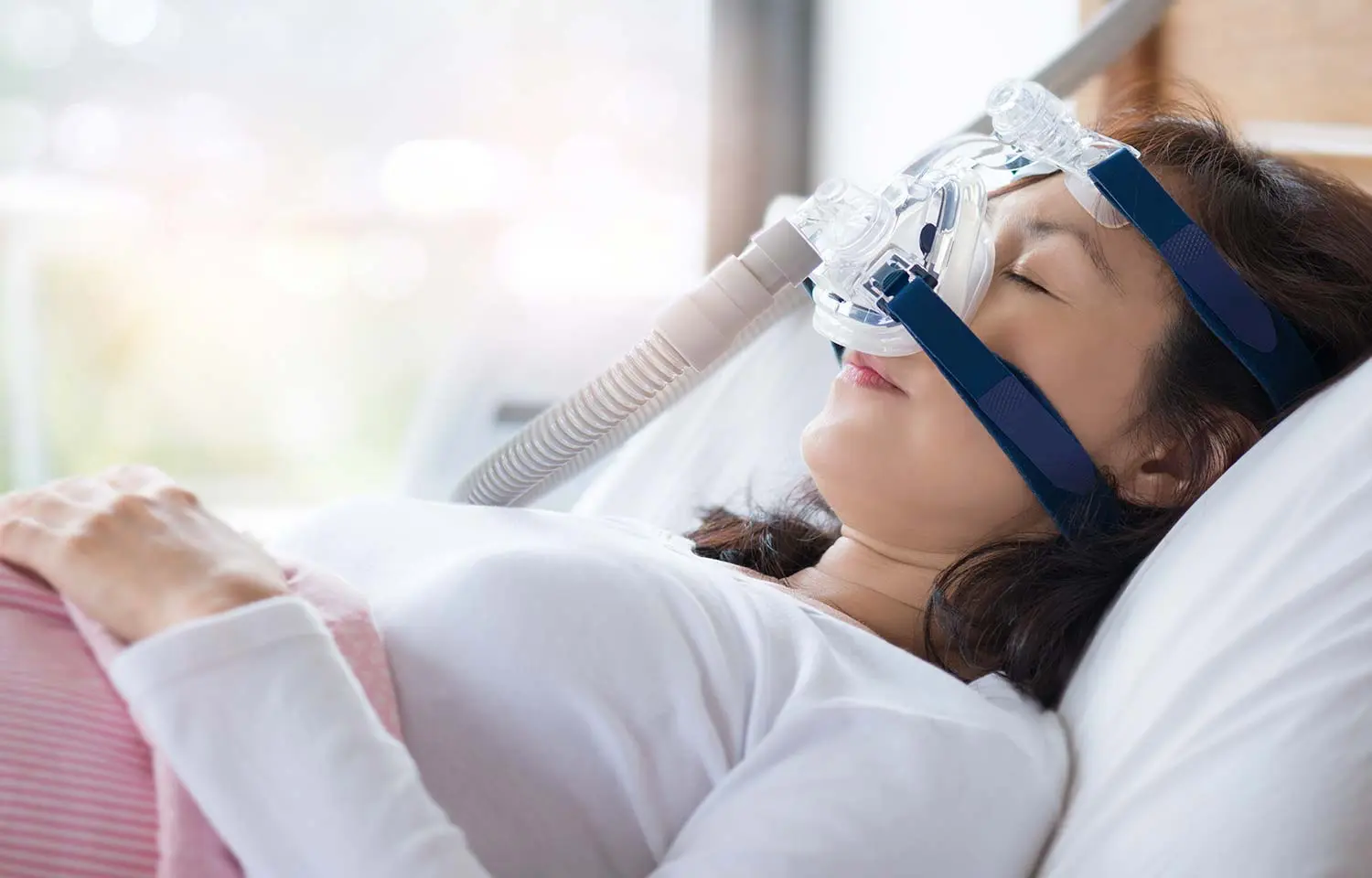
When snoring is caused by obstructive sleep apnea, lifestyle aids may not be enough. A CPAP machine (Continuous Positive Airway Pressure) delivers a gentle, steady stream of air through a mask, keeping airways open all night.
If you’re wondering whether CPAP machines stop snoring — yes, they do. They not only eliminate snoring but also improve oxygen levels and energy the next day. Explore our CPAP buying guide for light sleepers to find quiet models designed for comfort.
Natural Remedies for Snoring Relief
If you’re exploring how to cure sleep apnea naturally at home without CPAP, consider:
- Sleeping on your side instead of your back.
- Maintaining a healthy weight and avoiding alcohol before bed.
- Using humidifiers to keep airways moist and open.
While these steps help mild snorers, those with frequent choking, gasping, or daytime sleepiness should consult a sleep specialist.
When to Seek Professional Help
Choosing among devices to stop snoring depends on the cause of your snoring. Nasal, oral, and positional therapies can all work — but if symptoms persist, a medical evaluation is essential to rule out sleep apnea.
Learn more about snoring and breathing solutions at Sleepap.co.uk, where you’ll also find clinically tested CPAP machines and accessories for effective treatment.
Frequently Asked Questions
How do nasal strips work?
Nasal strips gently lift the sides of your nose to keep nasal passages open while you sleep, improving airflow and reducing snoring.
What is the best thing to stop snoring?
The best snoring device depends on the cause — nasal strips, oral mouthpieces, or a CPAP machine for sleep apnea can all help improve breathing and reduce snoring intensity.
Do anti-snore devices work?
Yes, many devices to stop snoring such as chin straps, nasal vents, and oral mouthpieces have been shown to reduce mild to moderate snoring. Results vary by individual and cause.
Does a CPAP machine stop snoring?
Absolutely. A CPAP machine delivers steady air pressure to keep your airway open, preventing vibration and snoring caused by airway collapse.
How to cure sleep apnea naturally at home without CPAP?
Weight management, sleeping on your side, avoiding alcohol, and using nasal dilators or snoring pillows can help mild cases, but moderate or severe sleep apnea usually requires medical treatment. For guidance, see the Sleep Foundation’s advice.
Conclusion
From nasal vents and chin straps to CPAP therapy, there’s a wide range of devices to stop snoring. The right one depends on your anatomy, comfort, and underlying cause. Explore your options, combine approaches if needed, and enjoy nights of quiet, restorative sleep.


