Weight Loss Sleep Apnea: What to Expect from Treatment
Weight and sleep apnea share a close connection — and improving one often improves the other. If you’re exploring weight loss sleep apnea treatment, this guide explains how lifestyle changes, therapy habits, and healthy routines can reduce symptoms, enhance CPAP results, and support long-term recovery.
Understanding the Link Between Weight and Sleep Apnea
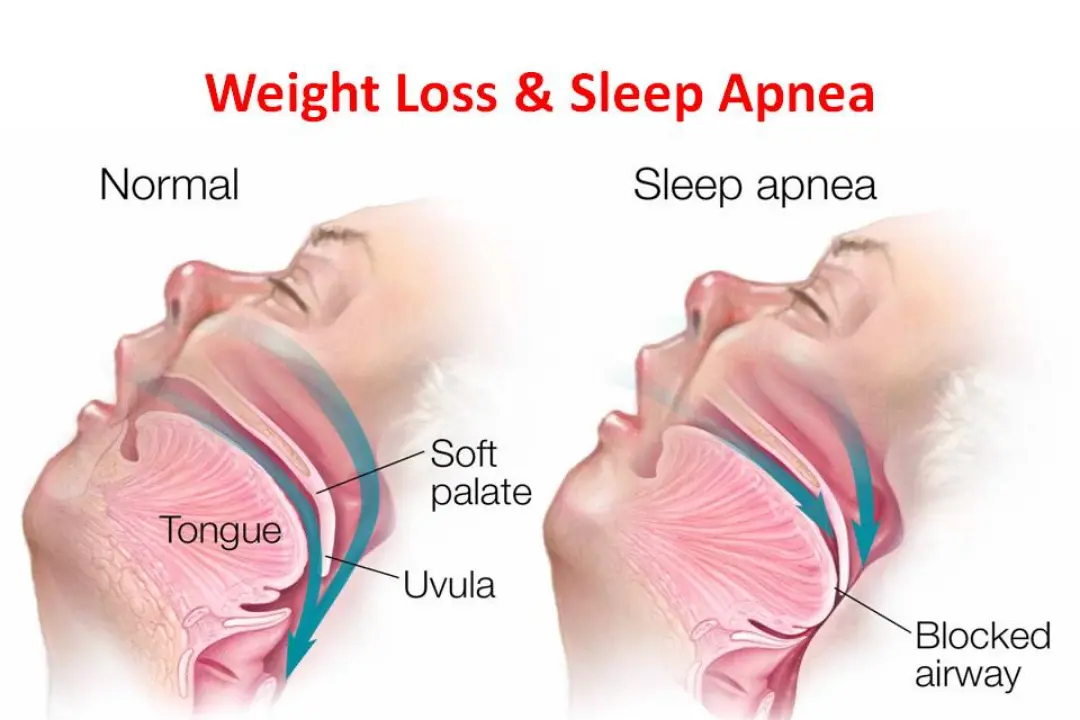
Extra weight, particularly around the neck and upper airway, can increase tissue pressure and narrow breathing passages during sleep. This leads to oxygen drops and frequent awakenings. However, dedicated weight loss sleep apnea strategies — even small ones — can reduce airway obstruction and improve breathing quality over time.
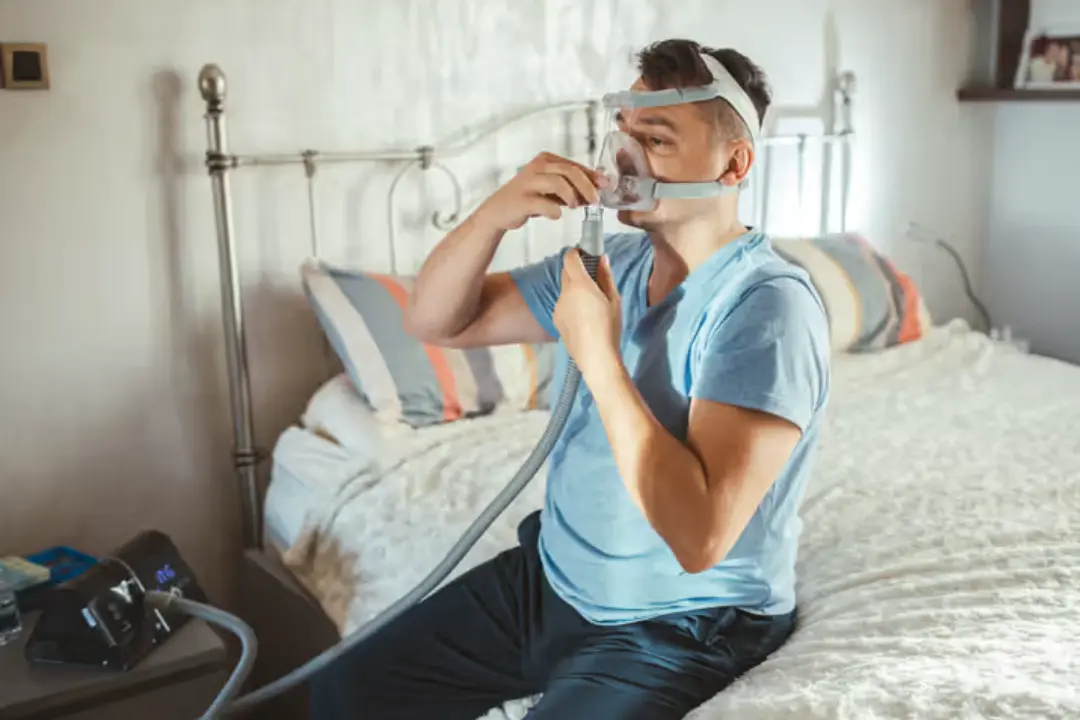
For those already using an apnea machine, combining therapy with sustainable habits provides faster, more comfortable results and better energy throughout the day.
According to the British Lung Foundation, gradual weight loss, exercise, and proper use of CPAP therapy are key factors in reducing the severity of sleep apnea and improving long-term respiratory health.
Lifestyle Tips for Managing Sleep Apnea
Adopting healthy sleep apnea lifestyle tips can significantly complement medical treatment. Consider the following changes:
- Maintain a balanced diet to support steady weight reduction.
- Engage in exercise for lungs such as brisk walking, yoga, or breathing exercises.
- Sleep on your side to prevent airway collapse.
- Avoid alcohol and heavy meals close to bedtime.
- Use aids to prevent snoring like nasal strips or positional pillows to enhance airflow.
Discover other effective alternatives in our article: CPAP Machines Alternatives: Oral, Surgical & Natural Treatments.
How Weight Affects Apnea Therapy Results
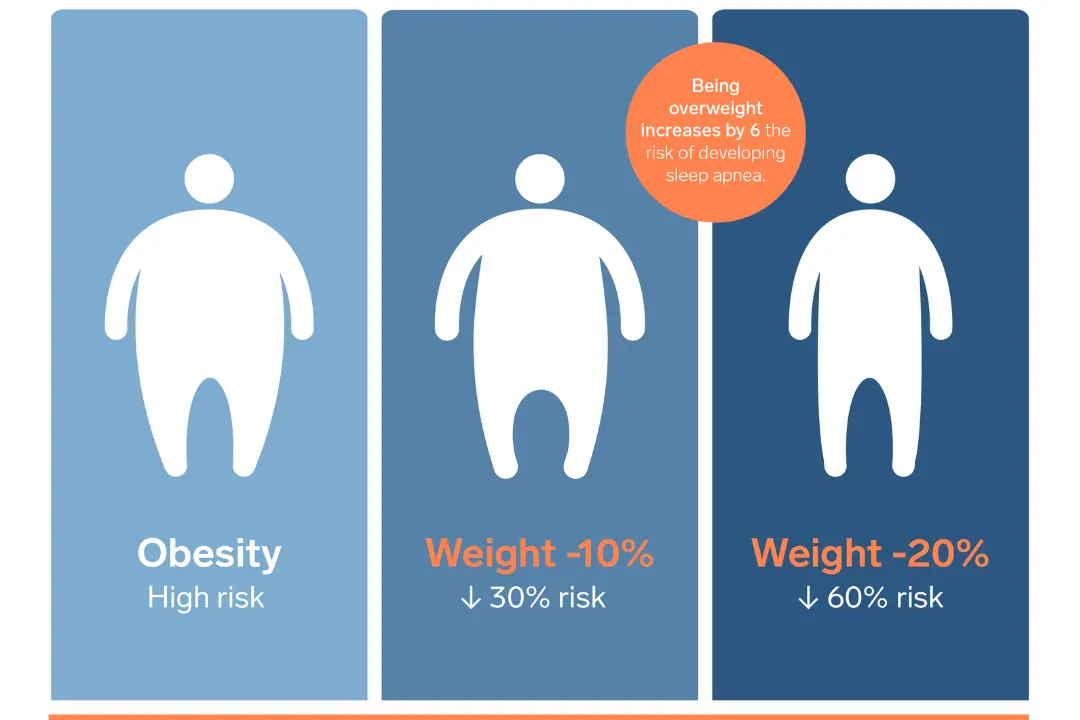
Weight loss improves oxygen levels, reduces daytime fatigue, and enhances the comfort of CPAP or BiPAP use. Even a modest reduction of 5–10% body weight can significantly decrease apnea episodes. Many patients find that regular physical activity and a structured diet plan help their therapy work more efficiently.
Can Sleep Apnea Go Away if You Lose Weight?
In mild to moderate cases, weight loss may dramatically reduce or even eliminate symptoms. However, it’s not a guaranteed cure. For many, consistent treatment remains essential. Using a trusted device like the Automatic CPAP Machine A20 — one of our best-selling models — ensures continuous, gentle airflow and better sleep quality while working toward your goals.
Will Sleep Apnea Cause Weight Gain?
Yes, untreated apnea can cause hormonal imbalances, particularly with leptin and ghrelin, which regulate appetite. Poor-quality sleep increases hunger and slows metabolism, creating a cycle that makes weight loss harder. Restful sleep through consistent treatment helps restore balance and promotes natural weight control.
Natural Breathing & Exercise for Lung Health
Improving respiratory strength is another key part of managing weight loss sleep apnea. Exercise for lungs — such as diaphragmatic breathing or swimming — strengthens breathing muscles, improves oxygen exchange, and complements weight management efforts. Explore more techniques in: Exercise for Lungs: Natural Ways to Manage Sleep Apnea.
Women, Hormones, and Weight-Related Sleep Apnea
Women may develop sleep apnea later in life due to hormonal changes that affect airway muscles and fat distribution. Weight loss and lifestyle modifications often improve their symptoms significantly. Learn more in our article: Women and Apnea: Unique Symptoms & Diagnosis.
Conclusion
Weight loss sleep apnea management isn’t just about appearance — it’s about breathing, energy, and long-term health. Combining therapy, exercise, and consistent sleep routines helps patients achieve lasting improvement. For trusted CPAP devices, accessories, and expert guidance, visit Sleepap.co.uk — where our 24/7 customer support ensures your journey to better sleep is smooth and successful.
Frequently Asked Questions
What are the best sleep positions for sleep apnea?
Sleeping on your side is most effective, as it keeps the airway open. Special pillows can help maintain this position comfortably.
Can sleep apnea go away if you lose weight?
Yes, weight loss can reduce or even resolve mild sleep apnea, but therapy support may still be needed for long-term success.
What is the 3% rule for sleep apnea?
It refers to a drop of at least 3% in oxygen saturation during apnea events — a key measurement used in sleep study evaluations.
How to cure sleep apnea naturally at home without CPAP?
Focus on losing weight, improving sleep posture, practicing breathing exercises, and using anti-snore aids. Consult a specialist for guidance.
Is sleep apnea reversible?
In mild cases, yes — with weight loss and lifestyle improvements. More advanced cases usually require ongoing medical therapy.


_copy_6b59cfc2_90870a01.avif&w=1080&q=75)