
_copy_6b59cfc2_90870a01.avif&w=1080&q=75)


Boost CPAP Comfort: Humidifiers, CPAP Tube, and Quiet Machines
Comfort plays a big role in your CPAP success. A good CPAP tube, the right humidifier, and a quiet machine can make therapy feel effortless and natural. This guide covers how to choose the best setup, maintain your equipment, and create a restful night’s sleep experience.
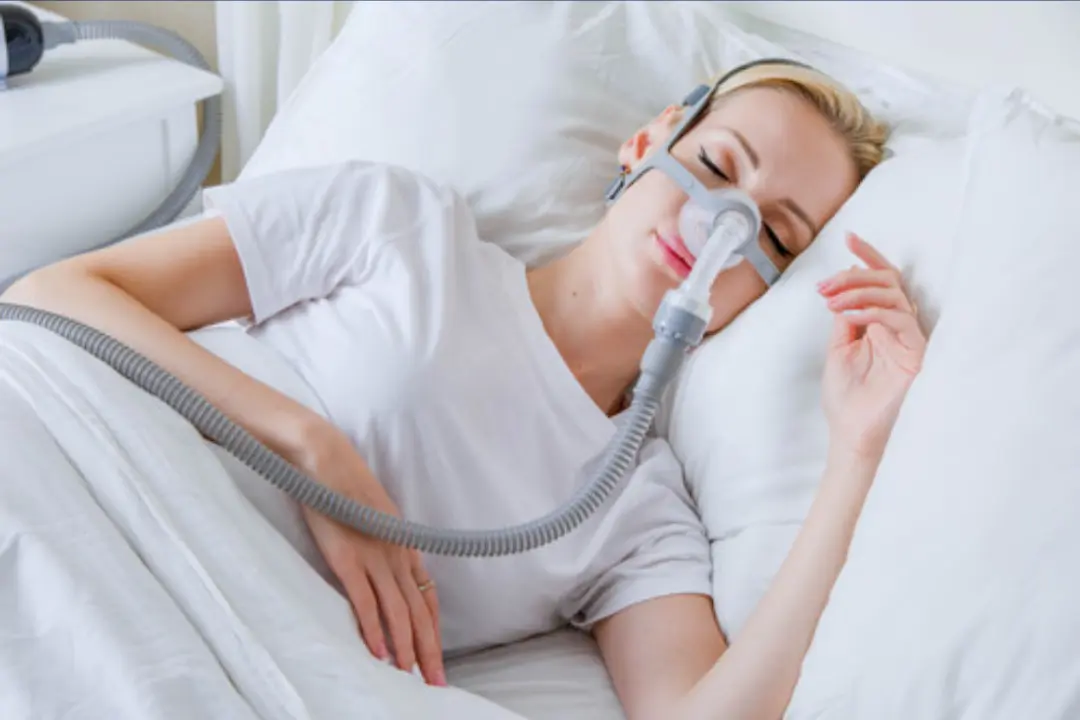
Why the CPAP Tube Matters
The cpap tube (also known as a cpap pipe or hose) connects your mask to the machine, delivering consistent airflow throughout the night. A lightweight or heated tube can make therapy more comfortable by reducing condensation and keeping the air warm as it travels from machine to mask.
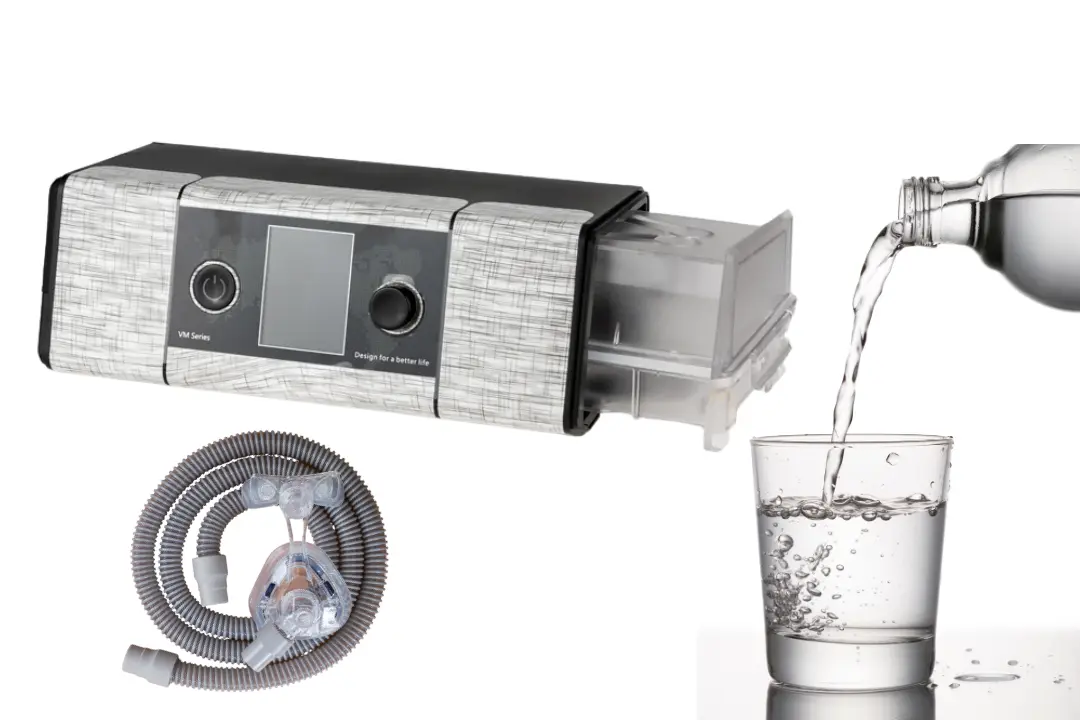
Our Auto CPAP Machine VM-6 comes with a full accessory kit — including tube, mask, and filters — for an all-in-one, ready-to-use experience.
Adding a Humidifier for Maximum Comfort
Dry air can irritate your throat and nose during therapy. That’s where a mini humidifier or built-in humidifier comes in — it adds moisture to the airflow, reducing dryness and congestion. Heated versions pair perfectly with heated hose for CPAP setups, maintaining temperature balance through the night.
Looking to enhance your CPAP setup? Learn how ramp and comfort settings can improve your first-night experience in First Night Success: Ramp, Comfort & Setup.
Quiet Machines and Heated Tubes
Modern sleep cpap machines and bipap machines are quieter than ever. Pairing them with a heated hose minimizes moisture buildup (“rainout”) and keeps airflow smooth and silent — especially important for light sleepers or shared bedrooms.
For a premium setup, check out our Auto Smart BiPAP Machine, designed for quiet operation and stable air delivery even at higher pressure levels.
Maintenance & Replacement Schedule
Even the best cpap hose needs maintenance. Clean tubing weekly with mild soap and water to prevent buildup and odors. Replace your lightweight tubing every 3–6 months or sooner if it becomes cloudy or stiff. Consistent cleaning keeps your airflow fresh, prolongs machine life, and improves therapy comfort.
Need help budgeting for accessories or replacements? See our full CPAP Machine Price Guide for costs and care tips.
Conclusion
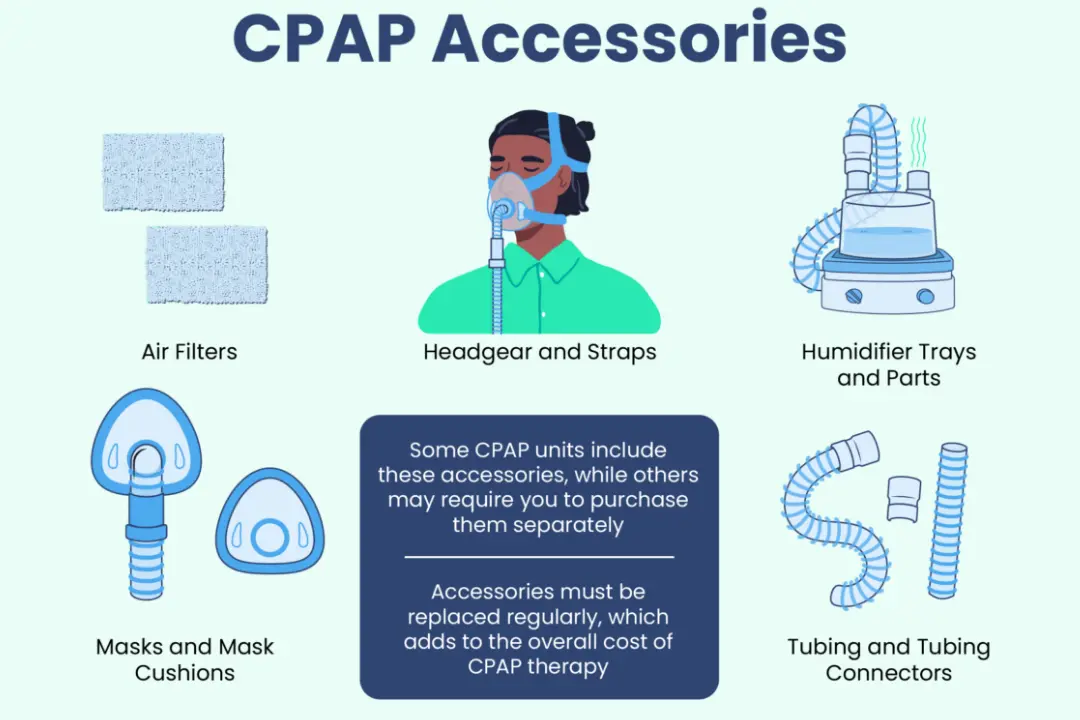
Comfort is key to long-term success with CPAP therapy. A quality CPAP tube, humidifier, and quiet machine make every night easier. Keep your gear clean, replace parts on schedule, and explore add-ons like heated hoses for an even better sleep experience. Small upgrades can make a big difference in how refreshed you feel each morning.
Frequently Asked Questions
Are humidifiers essential for CPAP?
Not mandatory, but highly recommended. They add moisture to prevent dryness and nasal irritation — especially in colder or dry environments.
What does a CPAP humidifier do?
It adds warm moisture to the pressurized air, improving comfort and preventing sore throat or nasal congestion.
Learn more at the NHS Sleep Apnoea Guide.
What is the 4-hour rule for CPAP?
The 4-hour rule means using your CPAP for at least 4 hours a night, 5 nights a week — the minimum proven to improve oxygen levels and sleep quality.
How often does CPAP tubing need to be replaced?
Typically every 3–6 months. Replace sooner if it shows discoloration, odor, or stiffness.
Do you need a prescription for CPAP tubing?
No, CPAP tubing and accessories like hoses, filters, and humidifiers can be purchased freely from trusted suppliers like Sleepap.


