Essential Add-ons: Filters, Tubing, Cushions, and CPAP Mask Liners for Comfort
Small accessories can make a big difference in how your CPAP therapy feels each night. From cpap mask liners to filters, tubing, and cushions — every component plays a role in comfort, hygiene, and consistent air delivery. Here’s your guide to getting the most from these essentials.
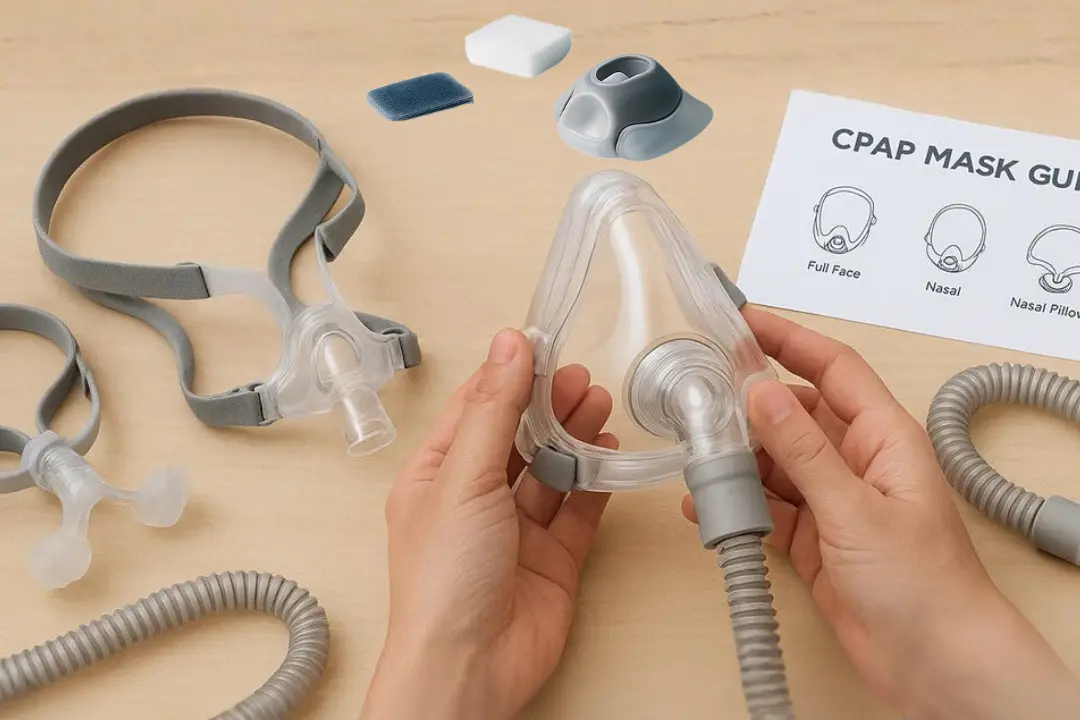
What Is a CPAP Mask Liner?
A CPAP mask liner is a soft fabric or foam layer that sits between your mask and skin. It helps prevent leaks, reduces red marks, and keeps your skin cool through the night. For many users, liners are the secret to making masks feel more natural and comfortable.
You can find compatible liners for most CPAP nasal masks and full-face masks for sleep apnoea. These liners help absorb facial oils, which improves mask sealing and comfort.
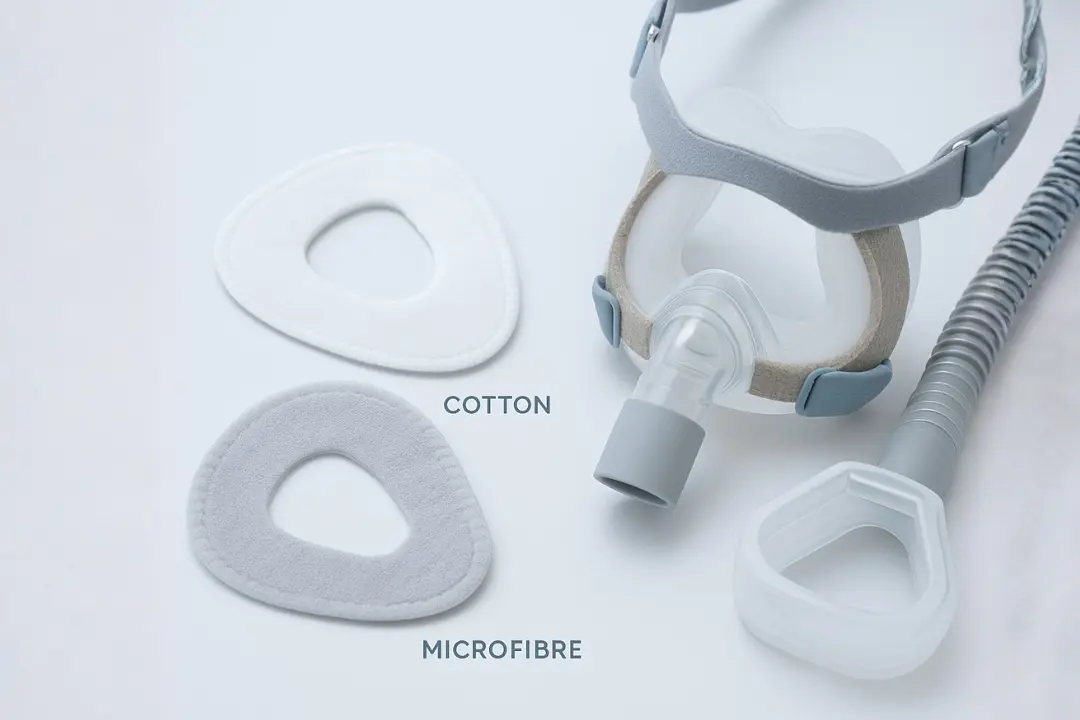
What Are CPAP Mask Liners Made Of?
Most liners are made from soft cotton or hypoallergenic microfibre. The fabric is breathable yet absorbent, reducing moisture buildup and irritation. Reusable liners can last for weeks with proper washing, while disposable ones are convenient for travel or sensitive skin.
The Purpose of Filters and Tubing
Air filters prevent dust and allergens from entering your cpap device, ensuring clean airflow with each breath. Replace filters every 2–4 weeks to maintain performance. The CPAP tube delivers air from the machine to your mask, and heated versions help reduce condensation for uninterrupted airflow.
For an in-depth look at tubing and humidity control, see our CPAP Tube & Humidifier Comfort Guide.
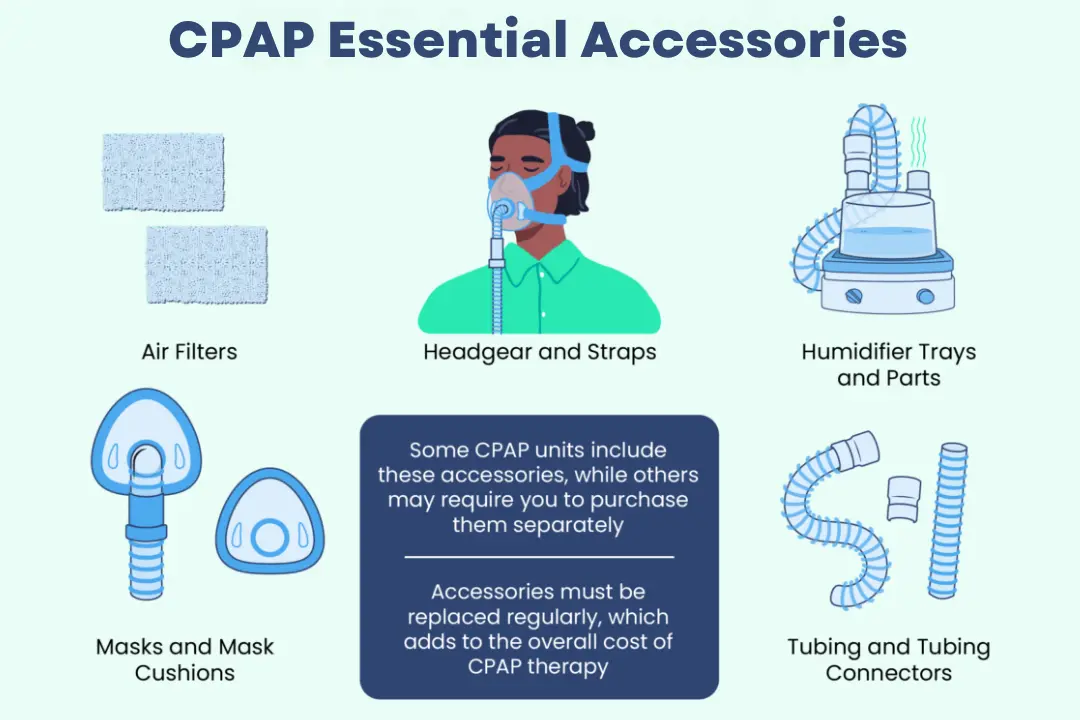
Main Accessories You Should Use with CPAP
Your comfort depends on more than just the machine. The right accessories help you get consistent results and restful sleep. The main essentials include:
- CPAP Mask: The core interface for therapy — available in nasal, full-face, or pillow styles.
- Filters: Keep air clean and protect your lungs and machine motor.
- Heated Tube: Prevents condensation and maintains warm, steady airflow.
- Humidifier: Adds moisture to air to reduce dryness and congestion.
- Mask Liners: Add softness, reduce friction, and help maintain a better seal.
At Sleepap, we provide CPAP machines and accessories that include essential add-ons like masks, air filters, humidifiers, and tubes — everything you need for complete therapy support.
How Nasal Strips and Cushions Help
Nasal strips and cushions are designed to enhance breathing comfort. Nose breathing strips work by gently lifting the nostrils to improve airflow, making them helpful for mild snoring or nasal congestion.
CPAP mask cushions form the seal between your mask and face. Replace them every 2–3 months or when they show signs of wear. Over time, cushions lose elasticity, leading to leaks or reduced comfort.
Learn more about healthy breathing techniques and humidifier use in our Distilled Water UK Guide.
Understanding CPAP Device Pricing
The cpap device price depends on features like humidifiers, pressure settings, and included accessories. While basic models are affordable, premium options with heated tube systems and advanced humidification deliver superior comfort and long-term reliability. Investing in a complete setup often means fewer add-on purchases later.
For guidance on CPAP functionality and pressure adjustments, read Sleep Foundation’s CPAP Overview.
Conclusion
Comfort and consistency are the keys to successful sleep therapy. Using cpap mask liners, fresh filters, and clean tubing ensures you wake up refreshed and irritation-free. With the right accessories — all available from Sleepap — you can make every night’s therapy as comfortable as possible.
Frequently Asked Questions
What is the purpose of a CPAP mask liner?
It creates a soft barrier between your skin and mask, preventing leaks, irritation, and red marks.
What are CPAP mask liners made of?
Usually cotton or microfibre, designed to be breathable, hypoallergenic, and gentle on skin.
How do nasal strips work?
They gently lift nasal passages to reduce resistance and improve airflow during breathing.
How often do you replace a CPAP mask cushion?
Every 2–3 months, or sooner if it becomes stretched, cracked, or loses seal integrity.
How do nose breathing strips work?
By widening nasal passages externally, helping you breathe more easily through your nose during sleep.


_copy_6b59cfc2_90870a01.avif&w=1080&q=75)