Filters & Allergy Tips: Best Options for What Are the Best CPAP Filters for Allergy Sufferers
For those who rely on CPAP for sleep apnea, maintaining clean air is just as important as proper pressure. If you experience sneezing, nasal irritation, or dust sensitivity, understanding what are the best CPAP filters for allergy sufferers can make all the difference. The right filter setup helps protect against allergens, bacteria, and fine particles, ensuring every breath you take is clean and comfortable.
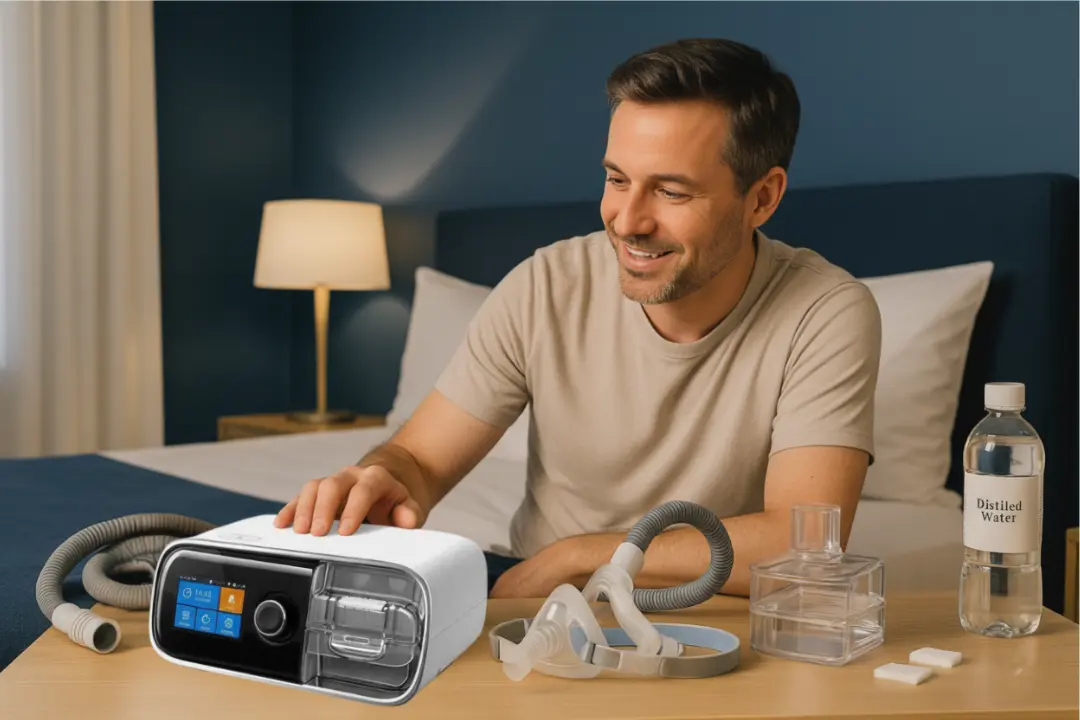
Understanding CPAP Filter Types
Most CPAP machines use two types of filters: reusable foam filters that trap larger dust particles, and disposable fine filters that capture smaller allergens and microbes. Together, they keep your airflow pure and your therapy efficient.
For a deeper understanding of how CPAP airflow works, read our CPAP Therapy Guide.
Best CPAP Filters for Allergy Sufferers
Allergy-prone users benefit most from hypoallergenic fine filters. These high-efficiency filters capture pollen, pet dander, and dust mites down to micron level, reducing irritation. Some advanced models use HEPA-style materials for medical-grade filtration, perfect for sensitive airways.
If you’re looking to buy replacements, check your mask and accessories guide for compatibility with your specific filters for CPAP machine.
Do You Need Special Filters for Allergies?
Yes — while standard filters trap dust, special fine or hypoallergenic filters provide extra protection for allergy sufferers. They reduce sneezing, congestion, and long-term irritation. For severe allergies, consider pairing your setup with CPAP nasal masks designed for sensitive skin.
Cleaning, Maintenance & Replacement Schedule
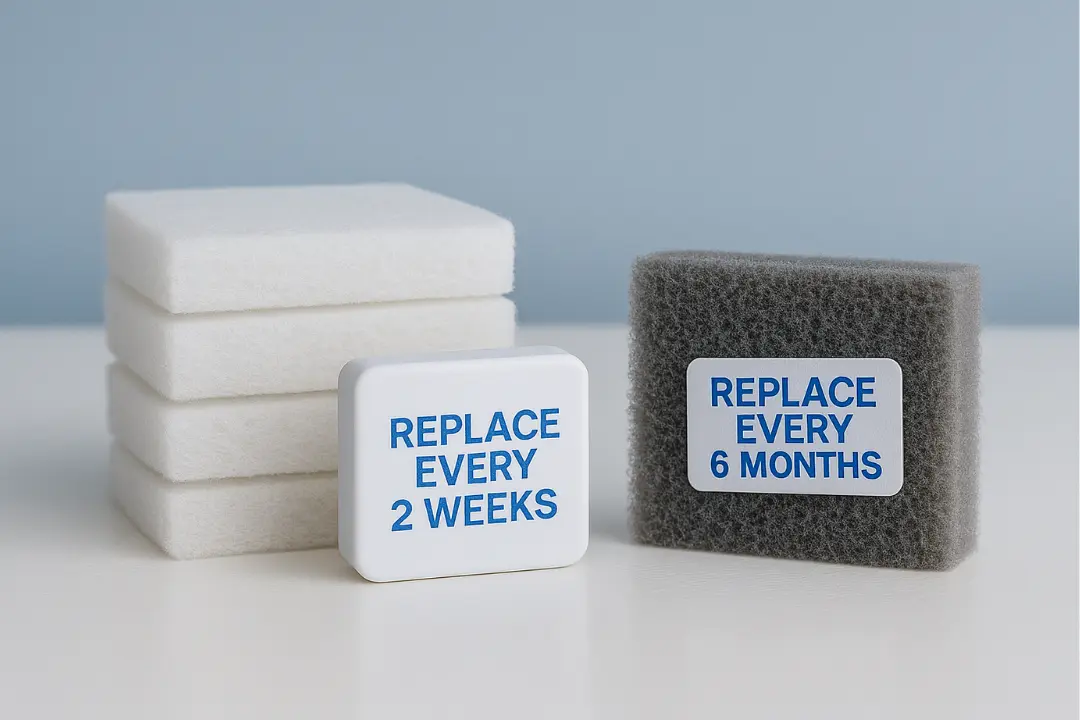
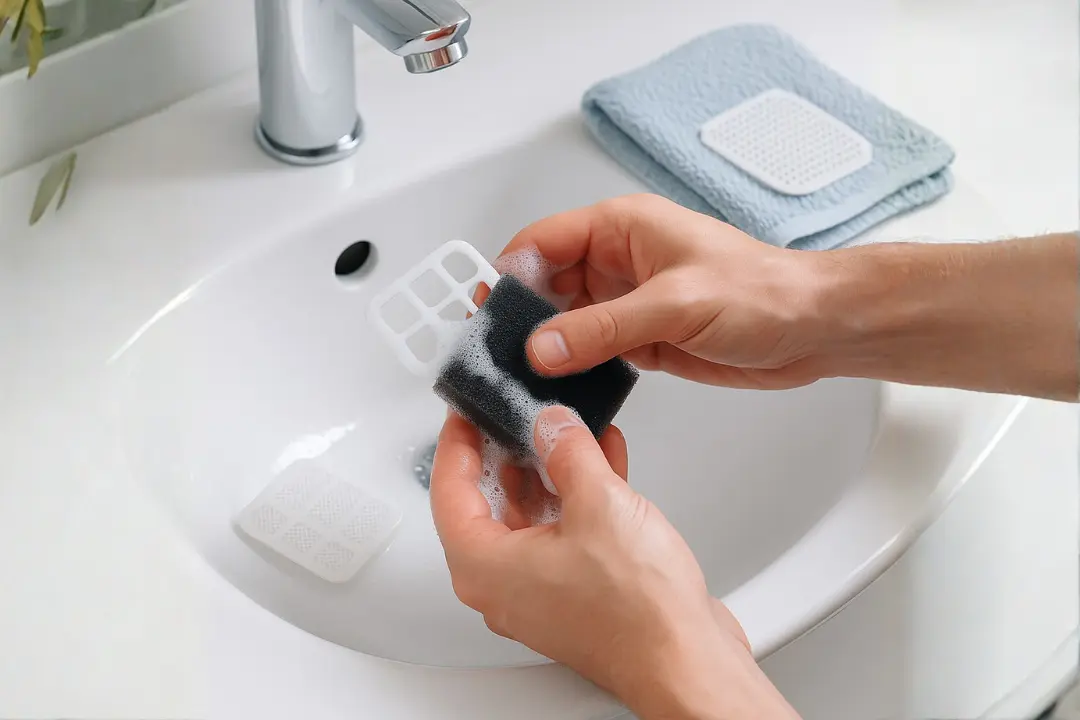
Even the best filter can’t last forever. Wash reusable foam filters weekly and replace fine filters every 30 days or sooner if you live in a dusty environment. A clean filter keeps air pure and extends the life of your CPAP machine filters.
To learn how to measure air quality and pressure accuracy, visit our Sleep Studies AHI Interpretation Guide.
Preventing Bacteria and Mold Growth
Dirty filters can harbor bacteria and mold, potentially worsening allergies. Always replace filters on time and keep your device away from moisture sources. Some users also benefit from an inline bacterial filter — an optional add-on that captures microbes before they reach your mask.
According to the Sleep Foundation, maintaining clean filters and tubing not only improves hygiene but also reduces respiratory symptoms over time.
Frequently Asked Questions
Do I need special filters for allergies?
Yes, hypoallergenic filters are designed to trap finer allergens like pollen, dust, and pet dander more effectively than standard foam filters.
Does a CPAP bacteria filter really work?
Yes, bacteria filters act as an added barrier for users with respiratory conditions or severe allergies, ensuring the cleanest possible airflow.
How often should CPAP filters be changed?
Disposable fine filters every 2–4 weeks, and reusable foam filters should be washed weekly and replaced every 3–6 months.
Can bacteria grow in a CPAP machine?
If not maintained, yes. Moisture and dirt in filters and tubing can harbor bacteria. Regular cleaning prevents buildup and allergic reactions.
Can CPAP filters be washed and reused?
Only foam filters can be washed; fine disposable filters must always be replaced to maintain safe airflow.
Conclusion
Choosing the right CPAP filter is essential for allergy relief and respiratory comfort. By pairing hypoallergenic filters with regular cleaning, timely replacement, and compatible CPAP nasal masks, you can reduce irritation and enjoy consistently cleaner air. Explore Sleepap’s full collection of trusted machines and accessories at sleepap.co.uk to breathe freely every night.

_copy_6b59cfc2_90870a01.avif&w=1080&q=75)