Sleep Position and Pillows: Using a Snoring Pillow Effectively to Manage Symptoms
Snoring and sleep apnea can often be improved by something as simple as changing your sleep position or using the right pillow. A snoring pillow supports the head and neck in a way that opens your airways naturally, reducing vibration and helping you breathe more easily. When paired with chin straps or CPAP therapy, it can greatly enhance sleep quality and comfort.
How Does a Snoring Pillow Work?
A pillow for anti-snoring is ergonomically shaped to align your neck and jaw properly during sleep. This positioning prevents your tongue and soft tissues from collapsing backward, one of the most common causes of snoring. Some advanced designs also encourage side sleeping — which is recommended for both snoring and sleep apnea.
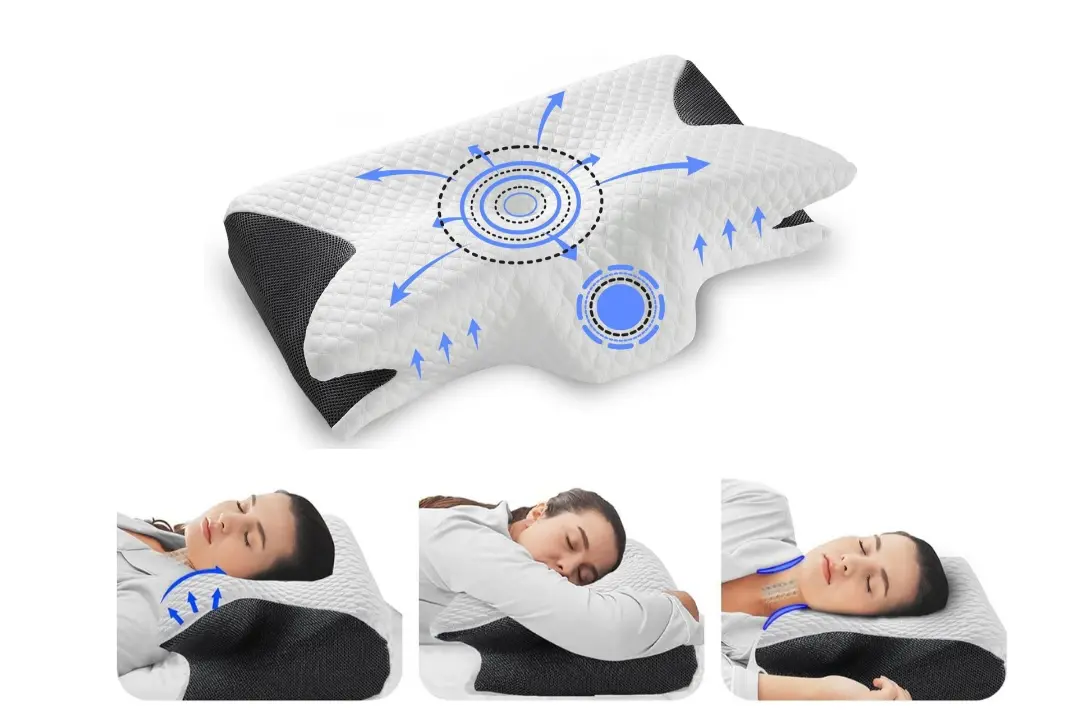
Best Sleep Positions for Reducing Snoring
Sleeping on your side is one of the most effective ways to stop snoring. This position keeps the airway open and reduces pressure on the throat. If you’re used to back sleeping, a contoured snoring pillow can help you gradually adjust to a better sleep posture.
Pair your new pillow with gentle breathing exercises to help lungs for a holistic improvement in your sleep health and airflow capacity.
Do Snoring Pillows Work for CPAP Users?
Yes — many CPAP users benefit from using a snoring pillow designed with mask cutouts or side channels. This allows more natural movement without air leaks. It’s especially useful if you use a nasal mask or a CPAP alternative and want to maintain comfort through the night.
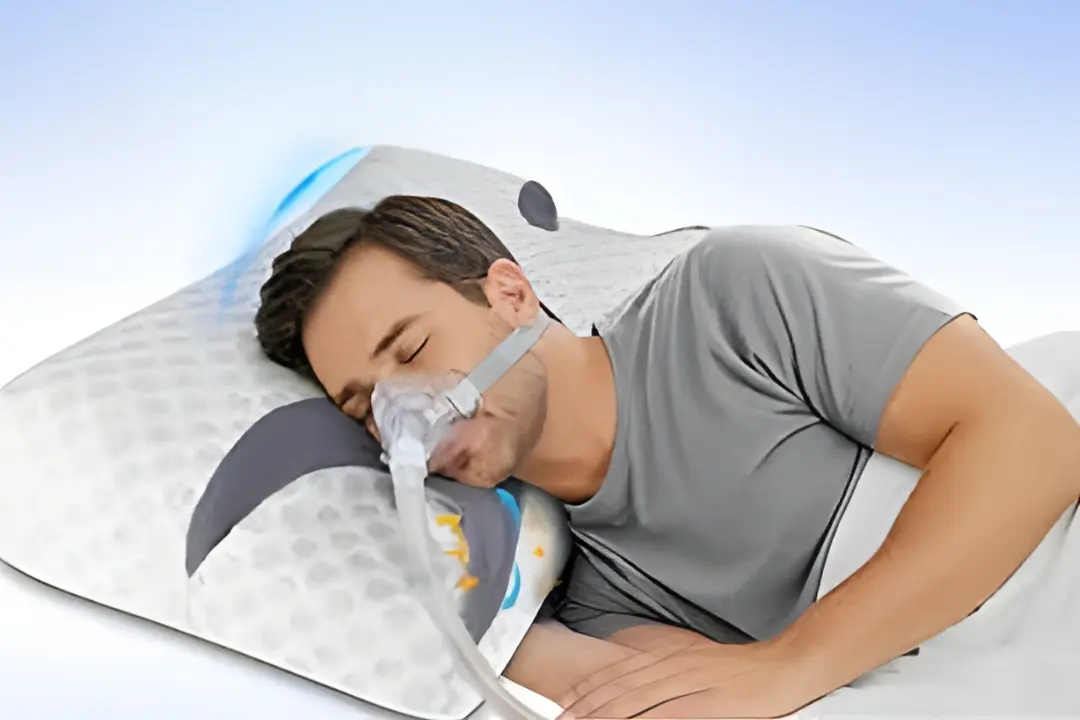
Choosing the Best Pillow for Snoring
When selecting a pillow, focus on comfort and neck support. Memory foam or adjustable pillows are ideal since they maintain shape while reducing strain. The best pillow for snoring will keep your spine aligned, head elevated, and airway clear — whether you use CPAP or not.
For deeper understanding of how CPAP therapy compares to natural methods, check our guide on APAP vs standard CPAP.
Frequently Asked Questions
Does a CPAP machine stop snoring?
Yes, a CPAP machine maintains continuous air pressure to keep your airway open, preventing snoring and improving oxygen levels during sleep.
Why is my husband still snoring with CPAP?
Persistent snoring may indicate mask leaks, incorrect pressure settings, or mouth breathing. Pairing CPAP with a chin strap or snoring pillow can help resolve this.
Can I use CPAP for snoring without sleep apnea?
Yes, CPAP can reduce snoring even in mild cases. However, it’s best used under medical supervision, as improper use may cause discomfort or dryness.
Do snoring pillows work?
Absolutely. Snoring pillows help maintain open airways by supporting your head and neck. They’re effective for mild to moderate snoring and can be used with or without CPAP therapy.
What is the best device for sleep apnea?
The CPAP machine remains the most effective device for treating sleep apnea. At Sleepap, we offer a wide range of trusted CPAP machines and accessories to improve your therapy results.
Conclusion
Finding the right snoring pillow can transform your sleep. Whether you’re addressing mild snoring or supporting your CPAP therapy, a proper pillow enhances breathing, comfort, and overall rest. Combine it with other snoring solutions and good sleep habits for the best results.


_copy_6b59cfc2_90870a01.avif&w=1080&q=75)