
_copy_6b59cfc2_90870a01.avif&w=1080&q=75)

Natural Help: Breathing and Respiratory Exercises – COPD, Yoga, and Lifestyle Changes
Improving lung health doesn’t always require complex medical treatments. For people with COPD, sleep apnea, or reduced breathing capacity, simple respiratory exercises can significantly enhance oxygen intake and comfort. Combined with yoga and lifestyle changes, these techniques help strengthen your lungs and improve your quality of life — naturally.
How Breathing Exercises Support COPD and Sleep Apnea
Respiratory exercises for COPD focus on training your diaphragm and expanding your lung capacity. These lung exercises can improve oxygen exchange, reduce breathlessness, and even support better sleep quality for people using apnea machines. Gentle, consistent practice helps you regain control over your breathing rhythm and boosts overall respiratory strength.
Best Breathing Exercises to Help the Lungs
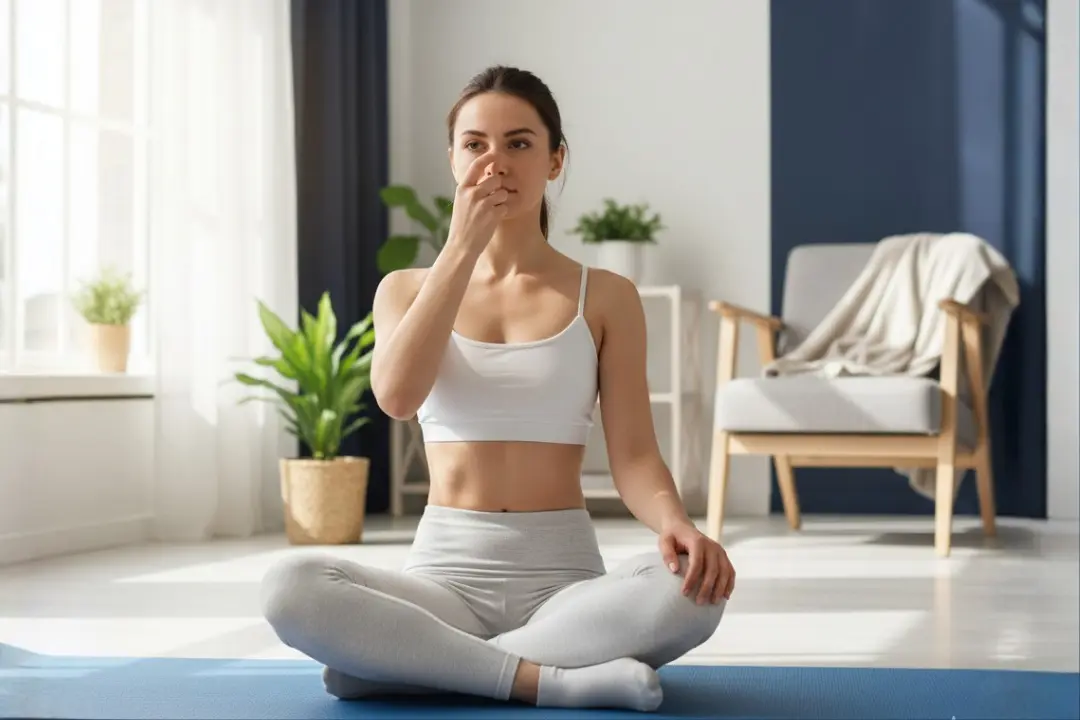
Among the most effective breathing exercises to help lungs are pursed-lip breathing, diaphragmatic breathing, and the 4-7-8 technique. These methods teach your lungs to work more efficiently and maintain proper airflow. Even 10 minutes daily can lower fatigue and support lung recovery after illness or poor air quality exposure.
Yoga and Mindful Breathing for Stronger Lungs
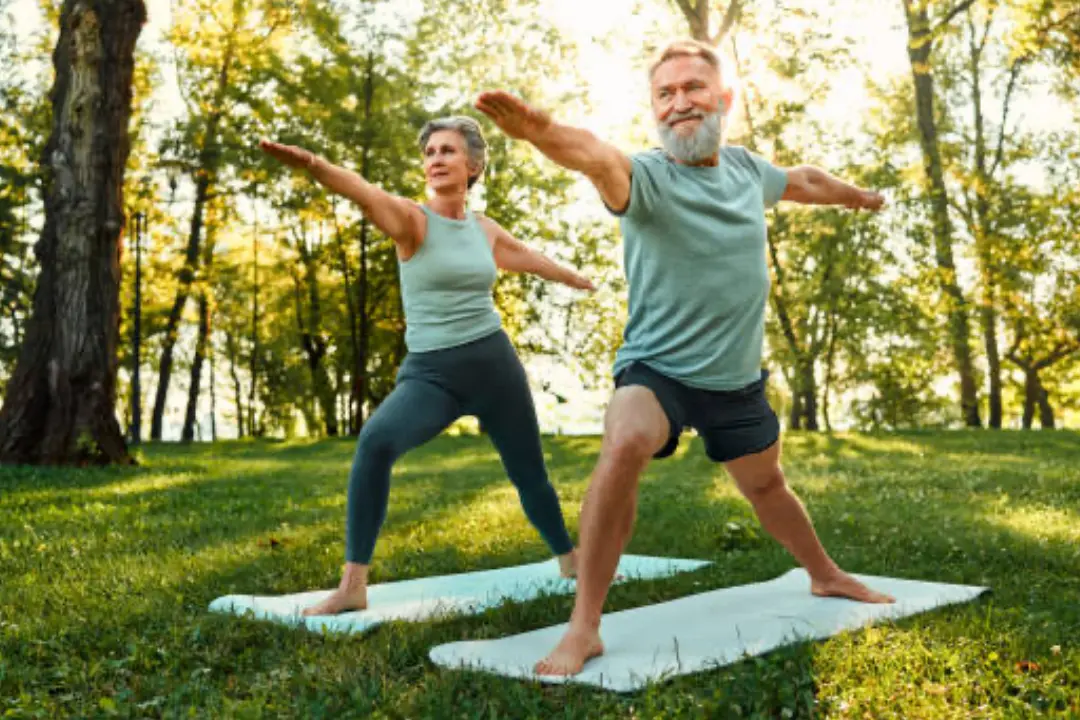
Yoga and pranayama (breath control) go hand in hand with COPD and sleep apnea support. Specific yoga postures like the bridge pose or seated forward bends help open the chest and lungs, while rhythmic breathing calms the nervous system and reduces stress — a key factor in snoring and poor sleep. Learn more in our weight loss and sleep apnea improvement guide.
Lifestyle Changes for Better Lung Function
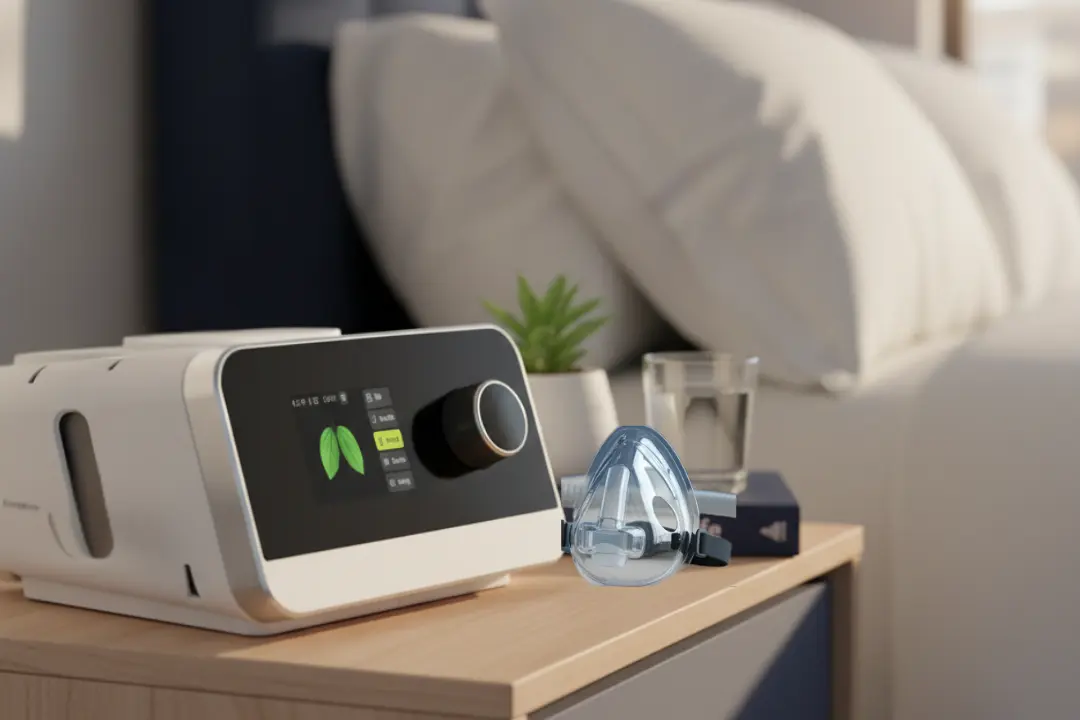
In addition to regular exercise for lungs, maintaining a smoke-free environment, staying hydrated, and eating antioxidant-rich foods contribute to stronger respiratory health. If you use a CPAP device, proper cleaning and humidification can further prevent dryness and discomfort. Visit Sleepap.co.uk for practical CPAP and wellness resources designed to support better breathing and deeper sleep.
Frequently Asked Questions
Can a CPAP machine kill you?
No. A CPAP machine is a medically approved device designed to improve breathing and prevent airway collapse during sleep. It cannot kill you — in fact, it reduces the risks of heart problems and low oxygen levels linked to untreated sleep apnea. Always ensure your device is properly cleaned and maintained.
What causes snoring in females?
Snoring in women is often linked to hormonal changes, nasal obstruction, weight gain, or undiagnosed sleep apnea. Learn more about female-specific symptoms in our article Sleep Apnea in Women: Symptoms & Treatment.
How to cure sleep apnea naturally at home without CPAP?
Natural methods include maintaining a healthy weight, sleeping on your side, practicing breathing exercises, avoiding alcohol before bed, and improving air quality. For more severe cases, professional evaluation is necessary. Visit the Sleep Foundation for trusted advice.
Is sleep apnoea a disability in the UK?
While sleep apnoea itself isn’t classified as a disability, severe cases may qualify for reasonable workplace adjustments under UK law. Regular treatment with CPAP or BiPAP machines can help control symptoms and improve daily energy levels.
Can children have sleep apnea?
Yes. Sleep apnea can affect children too, often due to enlarged tonsils, obesity, or nasal blockages. If your child snores or breathes irregularly at night, consult a pediatric sleep specialist. Read our post Sleep Apnea in Children: Symptoms & Treatment Guide for more details.
Conclusion
Practicing respiratory exercises for COPD and sleep apnea can lead to measurable improvements in breathing and energy. Whether through yoga, lifestyle changes, or structured breathing routines, your lungs benefit from consistent, mindful care. Explore more tips and trusted products at Sleepap.co.uk to support better sleep and stronger lungs.


