Oral Mouthpiece for Sleep Apnea vs. CPAP: Who Is This Alternative Treatment For?
When it comes to treating sleep apnea, the oral mouthpiece for sleep apnea has become one of the most popular alternatives to the CPAP machine. These custom-fitted devices reposition your jaw and tongue to keep your airway open during sleep, reducing snoring and apnea episodes. But how does it compare to the traditional CPAP machine, and who is it really best for?
What Is an Oral Mouthpiece for Sleep Apnea?
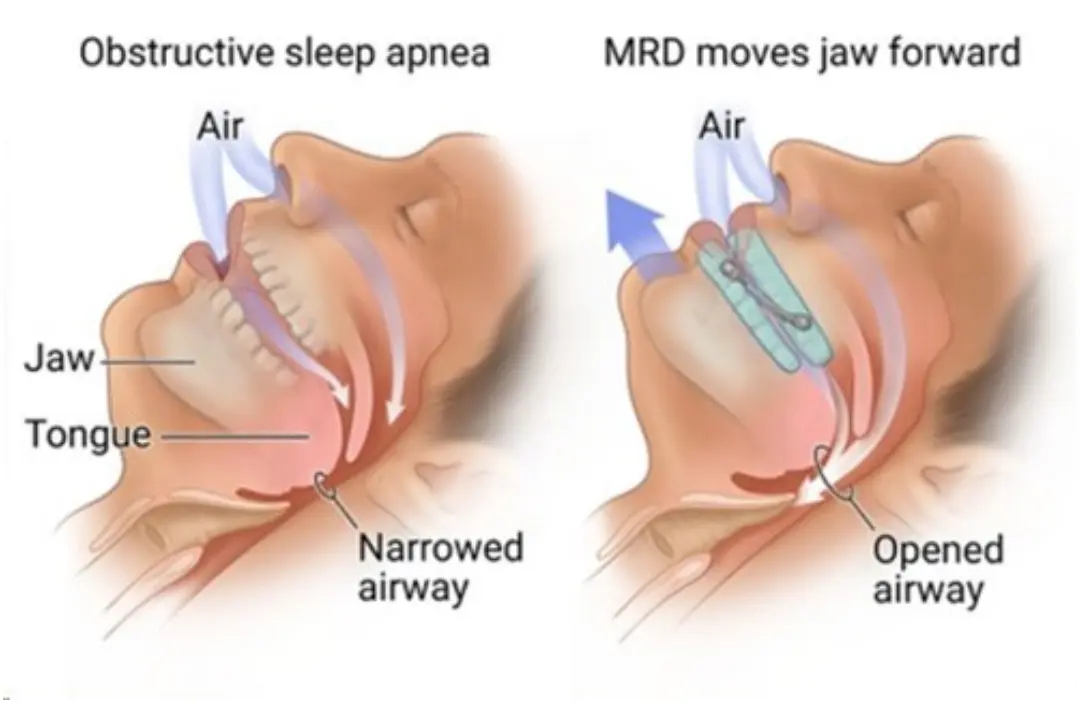
A mouthpiece for sleep apnea (also known as a mandibular advancement device or apnea mouth guard) is worn inside the mouth like a sports mouthguard. It gently moves the lower jaw forward, preventing the airway from collapsing during sleep. This non-invasive device is ideal for people with mild to moderate obstructive sleep apnea who struggle to adapt to full CPAP therapy.
How Oral Devices Compare to CPAP Machines
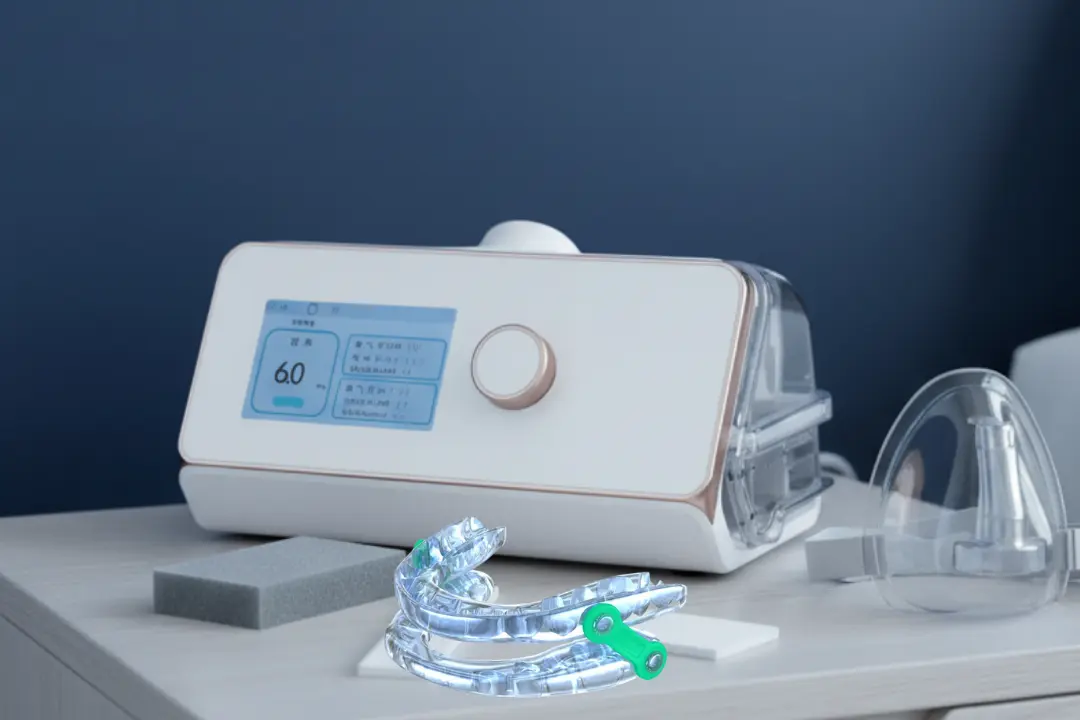
While both devices improve breathing during sleep, they work differently. A CPAP machine uses continuous airflow to keep your airway open, while an oral mouthpiece physically repositions your jaw and tongue. Mouthpieces are more compact and travel-friendly, but may not provide enough pressure for severe cases of apnea.
For those who snore but don’t have full sleep apnea, a mouthpiece may offer excellent results with less discomfort. However, for severe sleep apnea or those who rely on humidifiers and nasal masks, CPAP remains the gold standard.
Who Should Consider an Oral Mouthpiece?
An apnea mouth guard is best suited for people who:
- Have mild or moderate obstructive sleep apnea
- Cannot tolerate CPAP masks or pressure
- Travel frequently and need a compact alternative
- Prefer a quieter, simpler solution
For more natural ways to manage symptoms, check our guide on snoring pillows and sleep positions, which also help maintain open airways.
Combination Therapy: Mouthpiece and CPAP
Some patients combine a sleep apnea mouthpiece with CPAP therapy to achieve better results at lower pressure settings. This hybrid approach can improve comfort and reduce dryness or air leaks. If you’re exploring advanced options, talk to your sleep specialist about combining oral therapy with an auto-adjusting CPAP machine.
Frequently Asked Questions
Can a CPAP machine kill you?
No, a CPAP machine is completely safe when used correctly. It delivers air at mild pressure to prevent airway collapse and improve oxygen flow during sleep.
Does a CPAP machine stop snoring?
Yes. CPAP therapy is the most effective treatment for snoring caused by obstructive sleep apnea. It maintains an open airway throughout the night, preventing vibration and noise.
Do oral mouthpieces work for sleep apnea?
Yes, oral mouthpieces can be highly effective for mild to moderate cases of sleep apnea. They reposition your jaw and tongue to prevent airway obstruction.
What is the most effective oral appliance for sleep apnea?
Custom-made mandibular advancement devices prescribed by dental sleep specialists are the most effective. Over-the-counter mouthpieces may help snoring but are less reliable for apnea treatment.
Is a mouthpiece better than a CPAP machine?
It depends on your diagnosis. Mouthpieces are simpler and more portable, while CPAP remains the most effective option for severe sleep apnea or high apnea-hypopnea index (AHI) cases.
What is the 3% rule for sleep apnea?
The 3% rule refers to a 3% drop in blood oxygen during sleep used to define apnea events in some sleep studies. It helps identify the severity of oxygen desaturation and overall sleep apnea risk. Learn more about apnea events from trusted medical sources like the Sleep Foundation.
Conclusion
Choosing between an oral mouthpiece and a CPAP machine depends on your symptoms, comfort, and diagnosis. Both improve sleep quality, but they serve different needs. If you have mild apnea or dislike wearing a mask, an oral device may be the ideal alternative. For moderate to severe sleep apnea, the Sleepap team offers advanced CPAP machines and accessories to support every therapy need.


_copy_6b59cfc2_90870a01.avif&w=1080&q=75)