
_copy_6b59cfc2_90870a01.avif&w=1080&q=75)


First Night Success: Ramp, Comfort, and Setting Up Your CPAP Machine and Mask
Your first night with a cpap machine and mask can feel intimidating — but it doesn’t have to. With the right setup, comfort adjustments, and ramp features, you can ease into therapy and finally enjoy deep, snore-free sleep from the very first night.
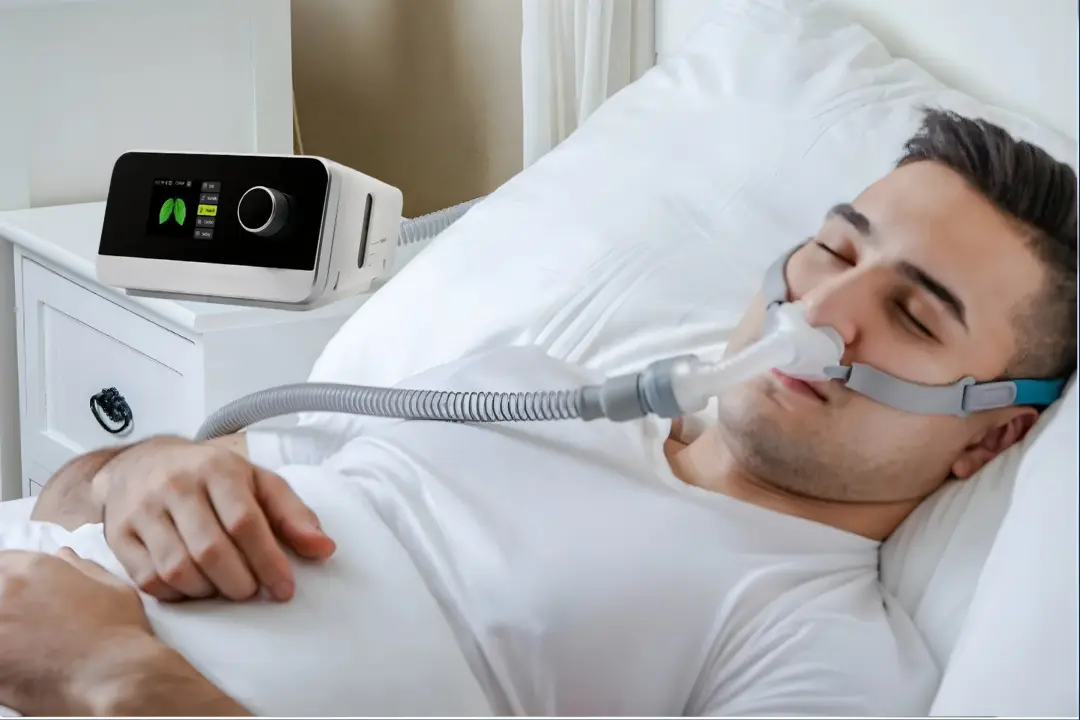
Start with Comfort: The Ramp Feature Explained
Most modern sleep cpap machine models come with a “ramp” function — a gradual increase in air pressure over 10–45 minutes to help you fall asleep comfortably. It’s ideal for first-time users adjusting to airflow and helps prevent the sensation of overpressure at the start of therapy.
Explore our full range of ramp-equipped models in the CPAP Machine Category to find the best fit for your comfort level and sleeping style.
Choosing the Right Mask for Leak-Free Sleep
The mask plays a huge role in comfort. Whether you prefer nasal pillows, full-face, or hybrid cpap masks, fit is key. A proper seal ensures effective therapy and prevents air leaks that can disturb your rest.
For detailed mask selection advice, check our guide: CPAP Masks Sizing Guide: Leak-Free Comfort.
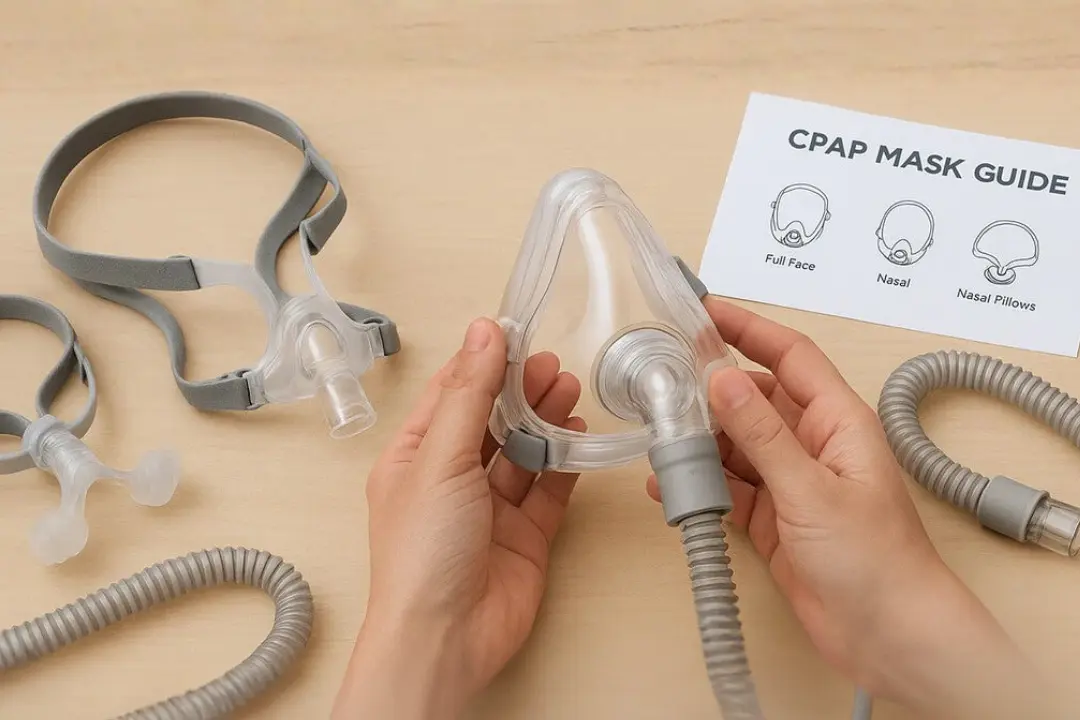
First Night Setup Tips
- Place your cpap sleeping machine on a stable surface near your bed for easy reach.
- Attach tubing securely and make sure filters are clean.
- Adjust humidity levels to prevent dryness.
- Try short practice sessions before bedtime to get used to the mask feel.
Want to know what to expect long-term? See our post on CPAP Machine Price Guide UK for insights into model performance and durability.
How CPAP Helps You Sleep Better
A well-set-up CPAP not only relieves sleep apnea but can also stop from snoring effectively by keeping your airways open. Many users notice improved energy, focus, and mood after just a few nights. For side sleepers, explore which mask style fits best in our article: Full-Face Mask vs Nasal Pillow for Side Sleepers.
Conclusion
Adjusting to your cpap machine and mask is easier than you think. Use the ramp feature, choose the right mask, and stay consistent — you’ll soon experience the restful, snore-free sleep you’ve been missing. Remember, persistence in the first few nights leads to long-term success and better health.
Frequently Asked Questions
Can you wear a sleep mask with a CPAP?
Yes, but choose a thin, contoured sleep mask that doesn’t interfere with your CPAP headgear straps or nasal area.
What is the downside of using a CPAP machine?
Minor issues like dryness, mask leaks, or adjustment discomfort can occur initially. However, with ramp mode and humidifiers, most users adapt quickly.
What is the 4-hour rule for CPAP?
The “4-hour rule” refers to using your CPAP for at least four hours per night, five nights a week — the minimum proven to improve sleep and oxygen levels.
What are CPAP machine before and after results like?
Most users report major improvements in energy, focus, and mood within the first week. Before CPAP, sleep apnea causes fatigue and snoring — after consistent use, sleep becomes deeper and restorative.
Can a CPAP machine kill you?
No. A CPAP machine delivers air pressure — not oxygen — making it extremely safe. Always follow setup instructions and regular cleaning routines.
For verified medical details, see the NHS Sleep Apnoea Page.


