©2026 Sleepap. All Rights Reserved.
Payment:
_copy_6b59cfc2_90870a01.avif&w=1080&q=75)
Waking up with a dry mouth or stuffy nose after using your CPAP can make therapy uncomfortable. Fortunately, learning how to prevent cotton mouth while sleeping is simple when you understand why it happens and how to fine-tune your setup for better comfort and hydration.
Cotton mouth or dryness often occurs when air escapes through your mouth while using your CPAP mask. This can happen if you breathe through your mouth at night or your mask isn’t sealing properly. The result? Moisture loss and irritation in your throat and nasal passages.
Using a CPAP machine with a built-in humidifier helps maintain optimal moisture in your airway. Most of our machines at Sleepap UK come with integrated humidifiers and essential accessories to support comfort and better sleep.
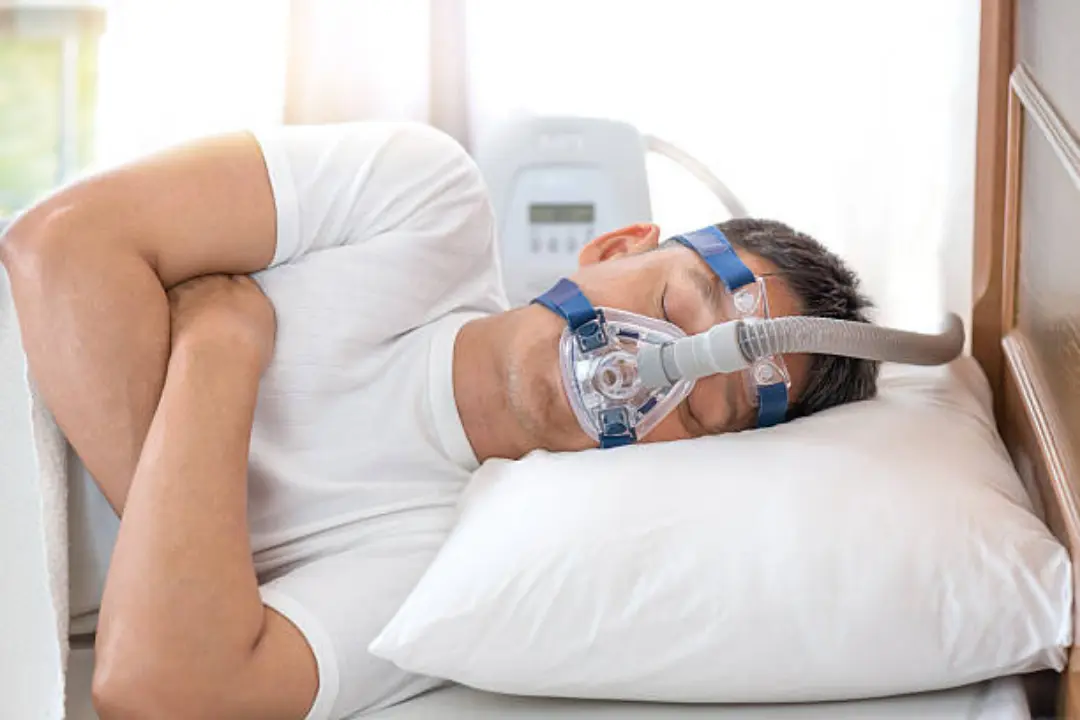
Humidity plays a key role in CPAP comfort. Increasing humidifier settings or adding a heated tube can prevent air from drying out your mouth and sinuses. If your device doesn’t include one, check out our CPAP humidifier comfort guide for setup tips.
When air leaks through your mouth, a chin strap for sleeping helps keep your mouth closed, preserving moisture and improving air pressure efficiency. This simple add-on can drastically reduce morning dryness.
If you’re using a nasal or nasal pillow mask and still wake up with dry mouth, you may need to switch to a full-face option. Refer to our CPAP mask guide to find the right style for your sleep habits.
A specialized CPAP pillow supports your head and mask, preventing displacement during the night. This keeps airflow consistent and reduces the chances of leaks that cause dryness.
Dehydration can worsen dry mouth symptoms. Drink water throughout the day, and make sure your humidifier chamber is filled with distilled water before each use to avoid mineral buildup or irritation.
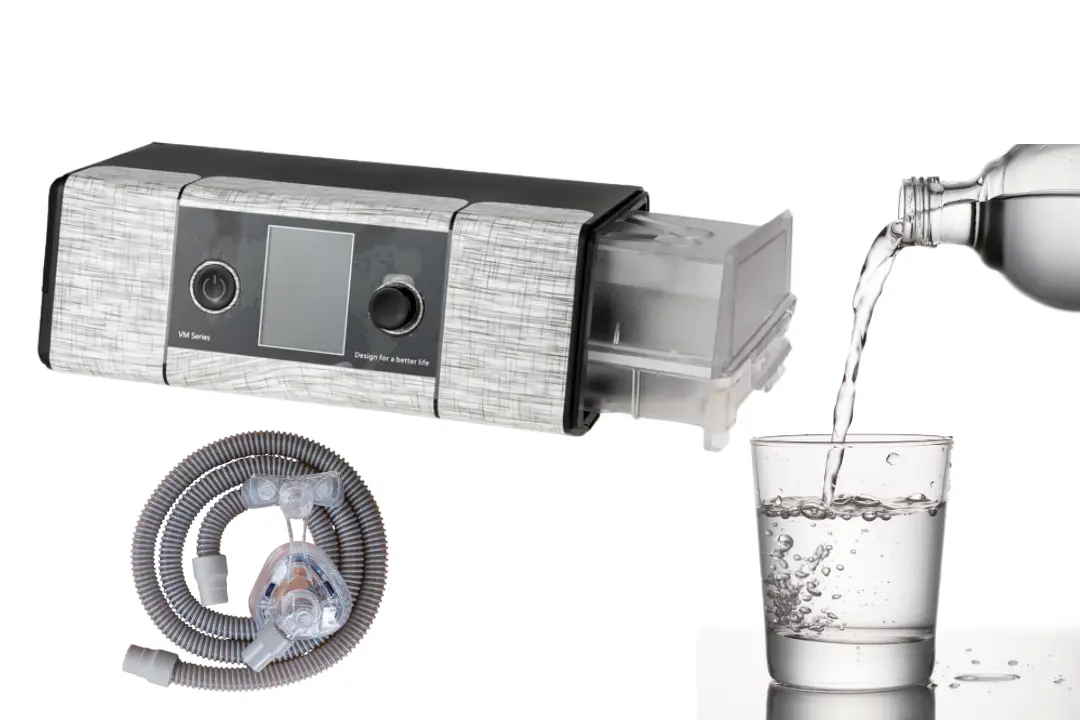
Sometimes dryness isn’t only about your mask or humidifier. Allergies, nasal congestion, or medications can increase the risk of mouth breathing. If you experience persistent snoring, especially as a female sleeper, our post on weight loss and sleep apnea treatment may help address underlying causes.
Always ensure your equipment is clean. Dirty tubing or filters can restrict airflow and worsen congestion. You can learn more about this in our CPAP cleaning guide.
If your dryness or congestion continues despite these adjustments, consult a sleep specialist. They can evaluate your pressure settings or suggest a different mask or humidifier setup. The Sleep Foundation also provides guidance on managing CPAP comfort and preventing dryness.
Knowing how to prevent cotton mouth while sleeping can completely transform your CPAP experience. By using a chin strap, adjusting humidity, and cleaning your device regularly, you’ll enjoy more comfortable, consistent therapy and wake up refreshed.
How to prevent cotton mouth while sleeping?
Use a CPAP humidifier, chin strap, and ensure your mask fits snugly to prevent mouth leaks.
Why do I keep getting a cotton mouth when I sleep?
This usually happens when you breathe through your mouth or have low humidity levels in your CPAP setup.
What causes snoring in females?
Hormonal changes, airway shape, and weight can all contribute to snoring in women, which can be managed through proper CPAP therapy.
Can a CPAP machine kill you?
No — CPAP machines are safe and designed to support breathing during sleep when used correctly and cleaned regularly.
Where can you buy distilled water?
Distilled water for your CPAP humidifier can be purchased at supermarkets, pharmacies, or online retailers in the UK.