Water Chambers & Biofilm: Practical CPAP Machine Care and Deep Cleaning Tips
Proper CPAP machine care is essential for healthy, effective sleep therapy. Without regular cleaning, your equipment can develop mineral buildup, bacteria, and even biofilm — a sticky layer that thrives in warm, moist environments like humidifier chambers and tubing. This guide explains how to deep clean your CPAP system safely and prevent issues before they start.
Why Cleaning Your CPAP Matters
Neglecting CPAP cleaning can cause unpleasant odors, reduced air pressure, and respiratory irritation. Over time, moisture inside the humidifier or hose promotes the growth of mold and biofilm. Consistent cleaning with mild soap or CPAP vinegar cleaning helps keep your therapy safe and comfortable.
How Often to Clean and Deep Clean
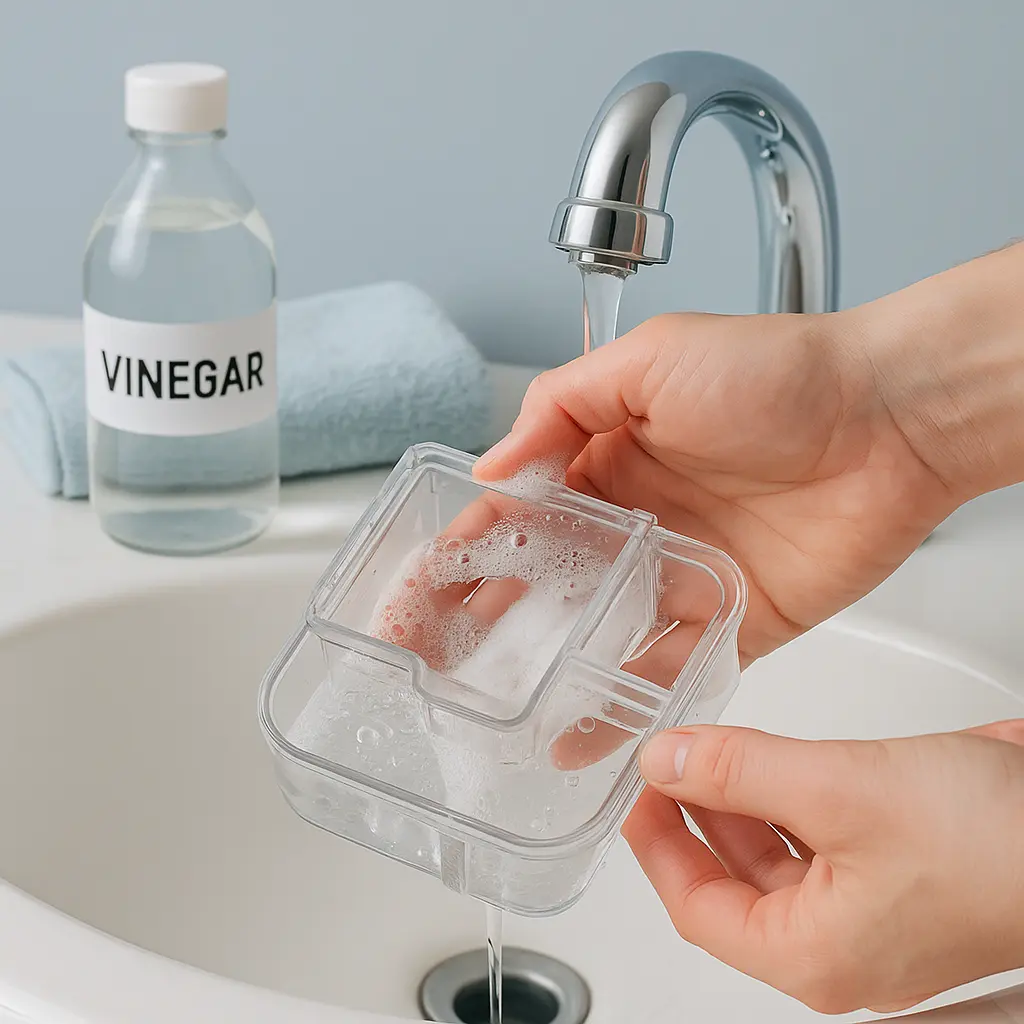
For daily maintenance, rinse your mask, tubing, and humidifier with warm soapy water and let them air dry. Once a week, perform a deep clean by soaking your hose and humidifier in a vinegar-water solution (1 part white vinegar to 3 parts water) for 15–20 minutes. Allow them to air dry completely to avoid moisture buildup.
Regular deep cleaning not only prevents bacterial growth but also extends the lifespan of your CPAP machine.
Water Chamber and Biofilm Prevention
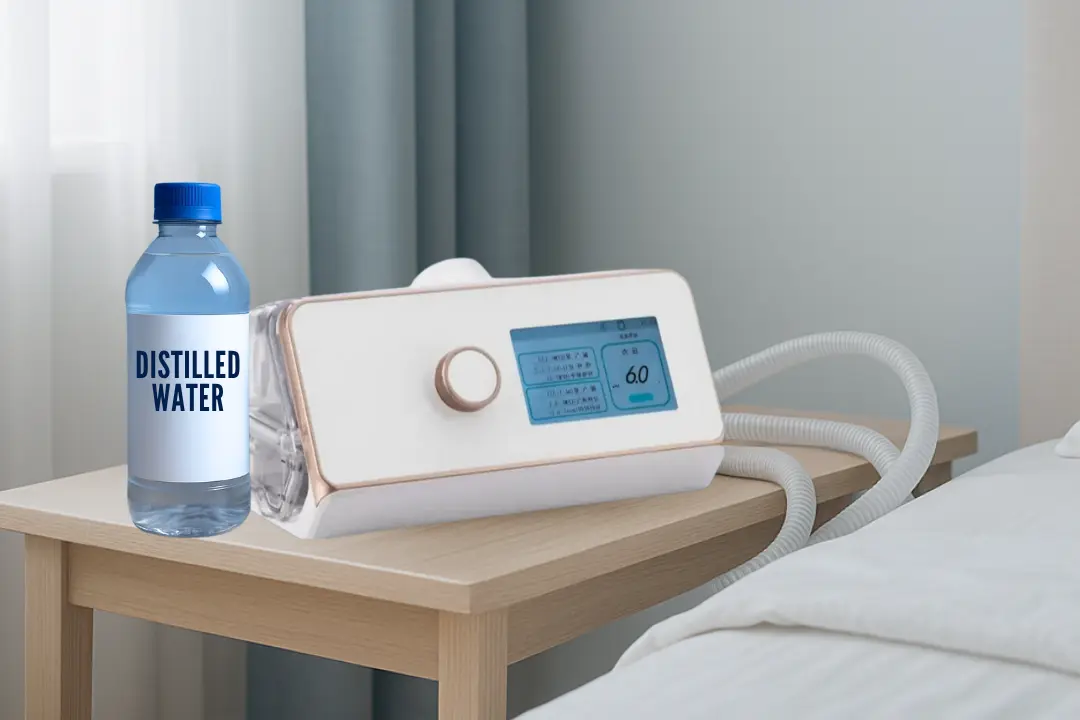
Biofilm forms when bacteria stick to moist surfaces inside your humidifier chamber or tubing. To prevent it, always empty leftover water after each use and refill with fresh distilled water before sleeping. Our Distilled Water UK guide explains why tap water should be avoided due to mineral buildup and potential health risks.
For extra hygiene, replace the chamber every 6 months or as recommended in your CPAP filters replacement guide.
Hose and Mask Care
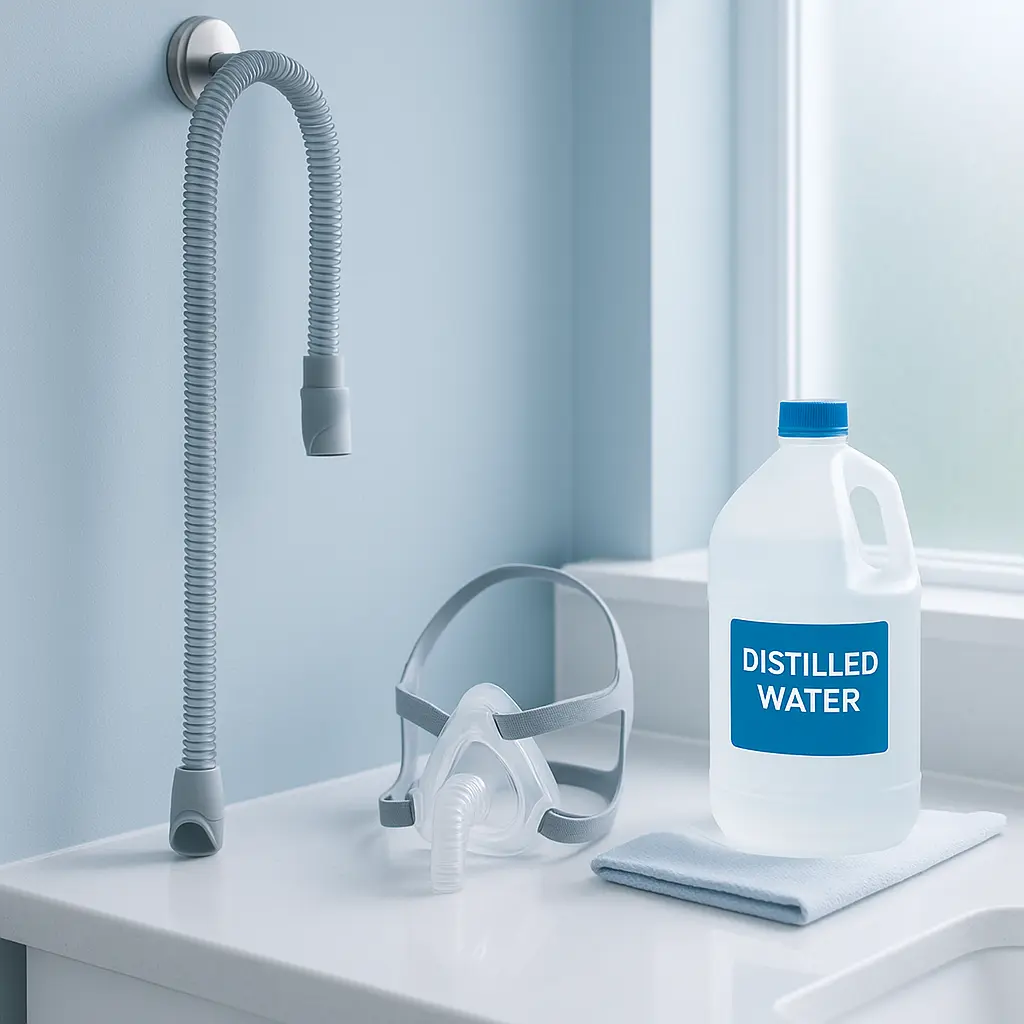
Your hose and mask are critical parts of the system. Weekly CPAP hose cleaning prevents residue buildup and keeps airflow smooth. After washing, hang the hose vertically to dry faster. You can also use a clean towel to help absorb excess moisture. For those using CPAP nasal masks, wipe the silicone cushions daily with CPAP wipes or mild detergent to maintain a tight, hygienic seal.
How to Dry a CPAP Hose Quickly
Shake out excess water, hang the hose over a shower rod, and let air circulate through it. Some people use a hairdryer on the cool setting, but avoid hot air to prevent warping the plastic.
Best Water and Cleaning Tips
Always use distilled water to fill your humidifier chamber. Tap water can leave calcium deposits that damage your machine. Replace the water daily and deep clean weekly. The Sleep Foundation also recommends checking the humidifier and tubing regularly for discoloration or residue as an early sign of biofilm.
Conclusion
Routine CPAP machine care helps you breathe safely and comfortably every night. By following a regular cleaning and replacement schedule, using distilled water, and inspecting your parts weekly, you’ll prevent biofilm, extend your equipment life, and maintain consistent therapy performance. For trusted accessories and cleaning products, explore Sleepap.co.uk — your reliable source for CPAP comfort and care.
Frequently Asked Questions
What happens if you don't clean your CPAP?
Dust, bacteria, and mold can build up in your equipment, leading to respiratory issues, infections, and reduced performance.
What are the signs of a dirty CPAP?
A smelly hose, cloudy humidifier water, or visible residue are all signs your system needs immediate cleaning.
How to avoid mold in my CPAP humidifier?
Empty and rinse it daily, use only distilled water, and air-dry completely before reassembling.
Is it safe to use tap water in my CPAP?
No. Tap water can leave mineral deposits and encourage bacteria growth — always use distilled water instead.
How to dry a CPAP hose quickly?
Hang it vertically or use a hairdryer on a cool setting for faster drying.
Do I need to change CPAP water every day?
Yes. Fresh distilled water prevents bacteria and mineral buildup for cleaner, safer therapy.

_copy_6b59cfc2_90870a01.avif&w=1080&q=75)