How to Use a CPAP Humidifier Guide: Setup, Maintenance, and Avoiding Rainout
If your therapy air feels dry or your sinuses get irritated, a cpap humidifier guide can make all the difference. This guide explains how to set up your humidifier correctly, maintain it safely, and avoid the common issue known as “rainout.”
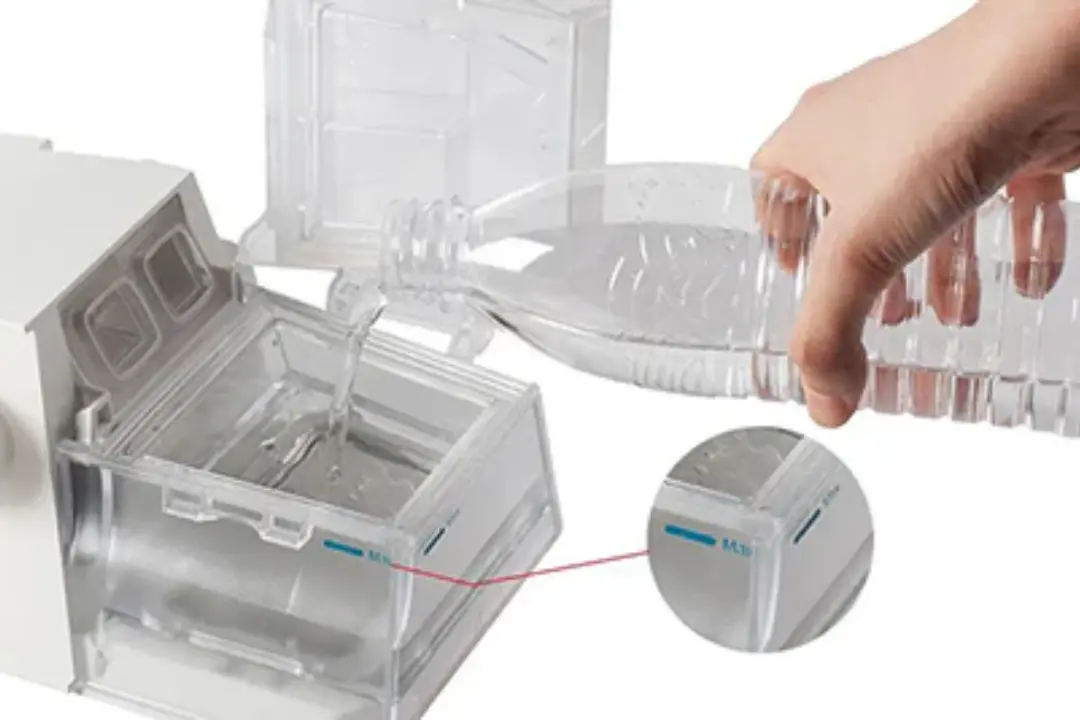
What Does a CPAP Humidifier Do?
A CPAP humidifier adds warm moisture to the air flowing through your machine, helping prevent dryness in your throat, nose, and mouth. It’s especially helpful in the UK’s cooler months when indoor heating dries the air.
Most of the modern CPAP machines we offer include built-in humidifiers and cpap heated hose options to ensure smooth, warm airflow throughout the night.
Setting Up Your Humidifier
Setting up a mini humidifier for your CPAP machine is simple:
- Fill the water chamber with distilled water — never tap water — to prevent mineral buildup.
- Attach your cpap tube securely to the outlet port and mask.
- Adjust humidity levels to match your comfort (start low and increase gradually).
- If your machine has a heated hose, enable temperature control to reduce condensation and avoid “rainout.”
For extra comfort tips on tubing and humidity control, read our CPAP Tube & Humidifier Comfort Guide.
Maintenance Tips for a Clean System
To avoid bacteria or mold buildup, empty the water chamber daily and rinse it with mild soap and warm water. Let it air dry fully before refilling. Replace your chamber every 6–12 months, depending on use. Always use fresh distilled water UK instead of tap or bottled water to protect your device and lungs.
Understanding Rainout (and How to Prevent It)
“Rainout” is when water condenses inside your tubing, causing gurgling sounds or splashing near the mask. It happens when warm humidified air meets cooler tubing. To prevent it:
- Use a heated hose for CPAP or wrap your tubing to maintain warmth.
- Lower your humidity level slightly if condensation forms.
- Keep the machine slightly below head level to let water drain back to the chamber.
Do You Need a Humidifier with CPAP?
While not mandatory, a humidifier improves therapy comfort for nearly all users. People with dry nasal passages, frequent congestion, or cpap humidity problems benefit the most. For advanced comfort, consider a dual-pressure setup like the Auto Smart BiPAP Machine with APCV — it includes integrated humidification and quiet operation for smooth breathing.
Learn more about therapy comfort upgrades in our article on BiPAP Therapy Benefits Beyond Sleep Apnea.
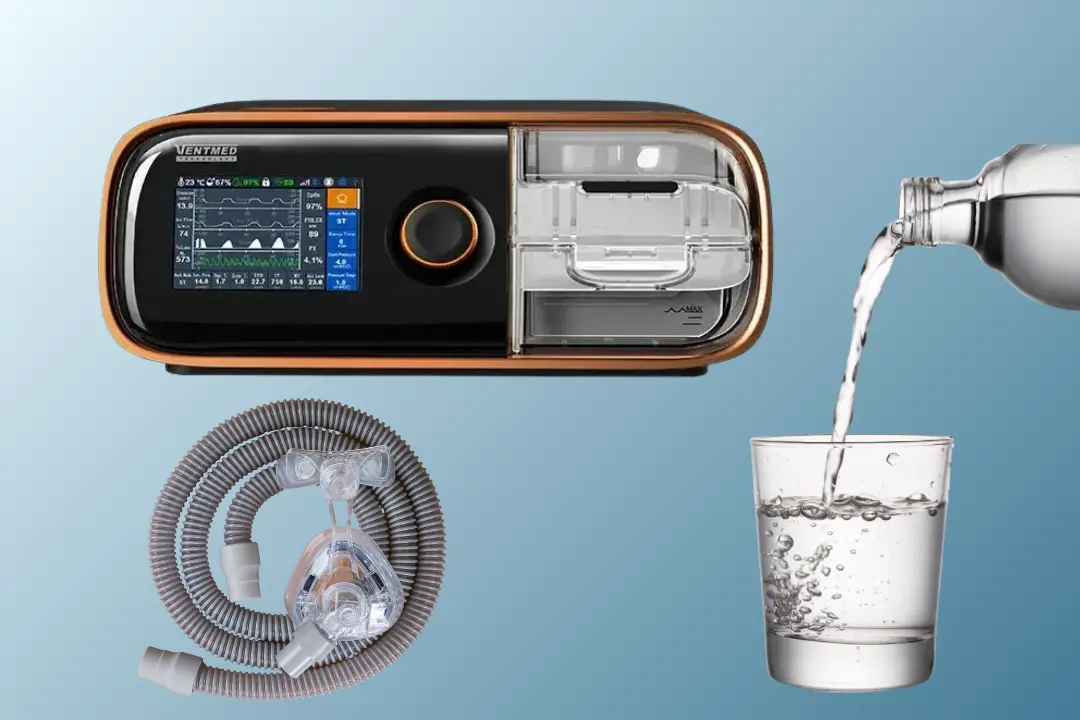
Where to Buy Distilled Water in the UK
You can find distilled water at most pharmacies, supermarkets, or online retailers that supply CPAP and medical products. Always check labels to ensure it’s 100% distilled. Using anything else may lead to mineral scaling and machine damage.
Conclusion
A well-maintained humidifier is the secret to comfortable, irritation-free therapy. With this cpap humidifier guide, you’ll know how to fill, clean, and balance humidity for ideal sleep conditions. A little daily care ensures your machine stays fresh and your nights stay restful.
Frequently Asked Questions
What does a CPAP humidifier do?
It adds moisture to your CPAP airflow, preventing dryness in your nose and throat for a more comfortable sleep experience. Learn more at the
NHS Sleep Apnoea Guide.
Where can you buy distilled water?
In the UK, you can buy it from supermarkets, pharmacies, or CPAP suppliers online. Always confirm it’s labeled as 100% distilled.
Do I need a humidifier if I use a CPAP?
Not always, but it significantly improves comfort for most users — especially those prone to dryness or sinus irritation.
What are the symptoms of too much humidity in CPAP?
If humidity is too high, you might experience condensation (“rainout”), wet tubing, or a damp feeling around the mask. Reduce humidity settings slightly or use a heated hose to fix it.


_copy_6b59cfc2_90870a01.avif&w=1080&q=75)