Apnea Machine Differences Explained: Fixed, Auto, and BiPAP
When it comes to managing sleep apnea, choosing the right apnea machine can feel overwhelming. From fixed-pressure CPAP devices to more advanced Auto CPAP and BiPAP systems, each has unique benefits depending on your breathing needs. Understanding these differences can help you or a loved one find the right treatment solution for better sleep and healthier nights.
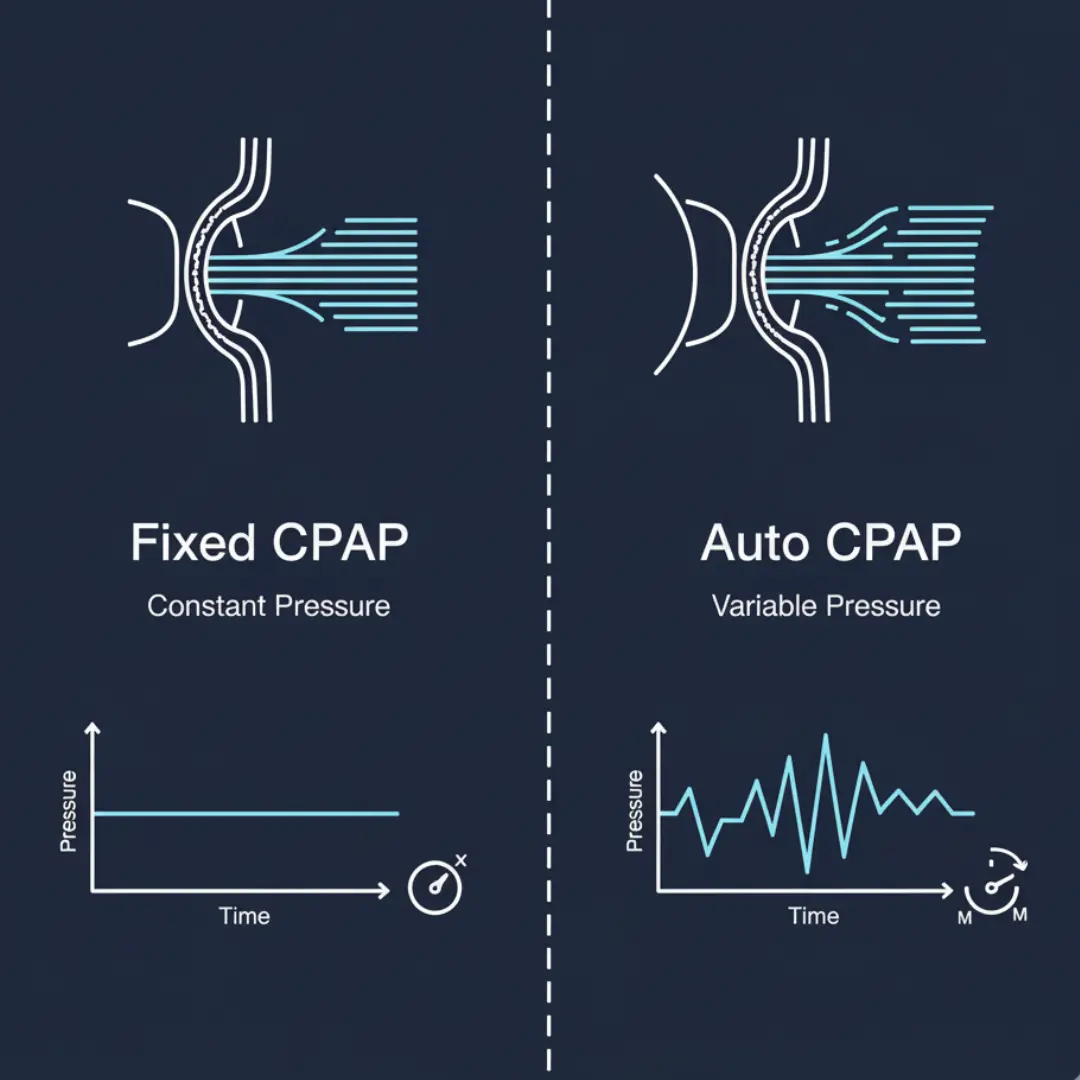
Fixed CPAP
**Steady & Consistent Airflow**
Auto CPAP (APAP)
**Adapts to Your Breathing**
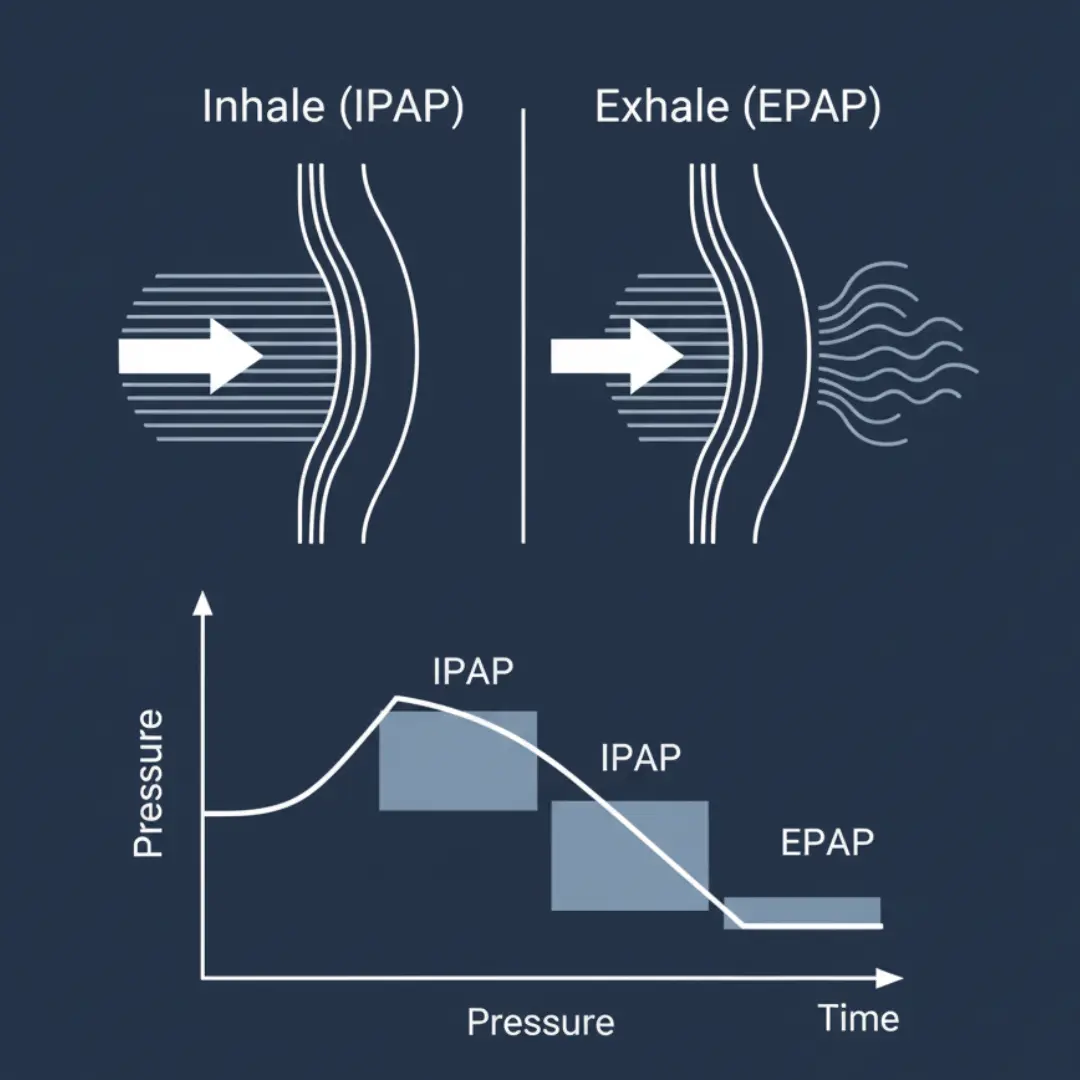
BiPAP
**Two Distinct Pressure Levels**
Fixed CPAP Machines
A CPAP machine (Continuous Positive Airway Pressure) delivers a steady, pre-set air pressure throughout the night. It’s the most commonly prescribed sleep apnoea machine and is highly effective for those with mild to moderate obstructive sleep apnea. The steady airflow prevents airway collapse, improving oxygen levels and reducing snoring. While reliable, some patients find fixed pressure uncomfortable if their breathing patterns vary during sleep.
Auto CPAP (APAP) Machines
An APAP machine automatically adjusts air pressure based on your real-time breathing. This makes it a flexible machine for sleep apnea, as it only delivers higher pressure when you need it most. Auto CPAP is especially useful for people whose symptoms change throughout the night or across different sleeping positions. It’s also a popular choice for those comparing continuous positive airway pressure machine price options, since it combines comfort with effective therapy.
BiPAP Machines
For patients who struggle with CPAP or need additional respiratory support, BiPAP (Bilevel Positive Airway Pressure) machines offer two pressure settings — one for inhalation and a lower one for exhalation. This makes breathing more natural, especially for people with central sleep apnea or other complex conditions. If you’re researching CPAP vs BiPAP, bilevel vs CPAP, or comparing CPAP or BiPAP, the main advantage of BiPAP is comfort and ease of breathing out against lower pressure.
Which Option Is Right for You?
The choice between fixed CPAP, Auto CPAP, and BiPAP depends on your diagnosis, comfort, and doctor’s recommendation. A sleep specialist can help you determine the most suitable sleep ap machine. For many patients, starting with CPAP is standard, but if pressure intolerance becomes an issue, Auto CPAP or BiPAP may provide a better solution.
For more on the basics of diagnosis and treatment, see our post: What Is Sleep Apnea: Causes, Symptoms & How Sleep Studies Help.
And if you are ready to explore devices, browse our full range of CPAP machines.
Frequently Asked Questions
What is the difference between CPAP and BiPAP?
CPAP delivers a single, fixed pressure, while BiPAP offers two pressures (inhale/exhale), making it easier to breathe out.
What is the best treatment for sleep apnea?
The most effective treatment is often a CPAP or APAP machine, but some patients benefit more from BiPAP. A doctor’s guidance is essential.
Does a sleep apnea machine really work?
Yes. Clinical studies and
Sleep Foundation research
confirm that CPAP and BiPAP machines significantly reduce apnea events and improve sleep quality.
Will NHS give me a CPAP machine?
Yes, but the NHS has long waiting lists. At Sleepap, we provide approved CPAP machines with delivery in less than 48 hours, such as the
Automatic CPAP Machine A20.
Conclusion
Selecting the right apnea machine is a key step in managing sleep apnea effectively. Whether you need the consistency of CPAP, the flexibility of Auto CPAP, or the comfort of BiPAP, there’s a solution to match your needs. With the right machine, you can enjoy healthier sleep, more energy, and peace of mind.


_copy_6b59cfc2_90870a01.avif&w=1080&q=75)