©2026 Sleepap. All Rights Reserved.
Pago:
_copy_6b59cfc2_90870a01.avif&w=1080&q=75)
When it comes to treating sleep apnea, many patients wonder about the differences in CPAP vs BiPAP therapy. Both devices deliver pressurized air to keep airways open during sleep, but they function in different ways. Understanding how each works, and when one is recommended over the other, can help you make the best choice for effective treatment and long-term comfort.
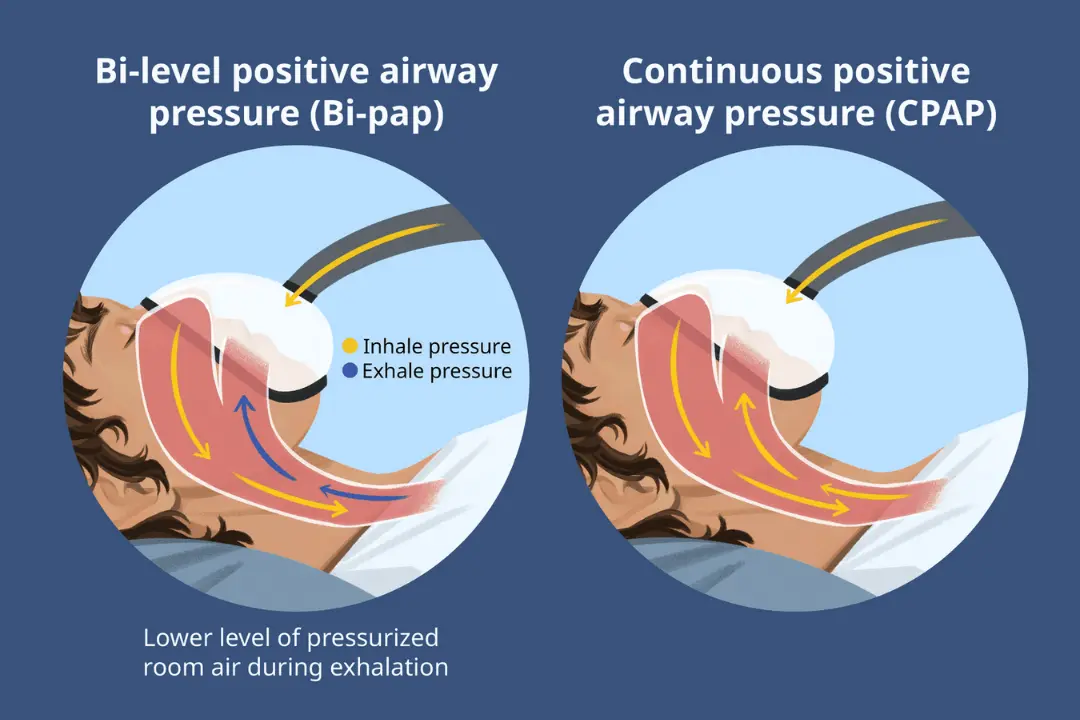
A CPAP machine (Continuous Positive Airway Pressure) delivers a single, steady pressure throughout the night. It’s the most commonly prescribed therapy for obstructive sleep apnea, especially in mild to moderate cases. Used with a CPAP machine and mask, it prevents airway collapse, reduces snoring, and improves oxygenation.
One of our best-selling options is the Auto CPAP Machine VM-6 with Nasal Mask, designed for comfort and ease of use.
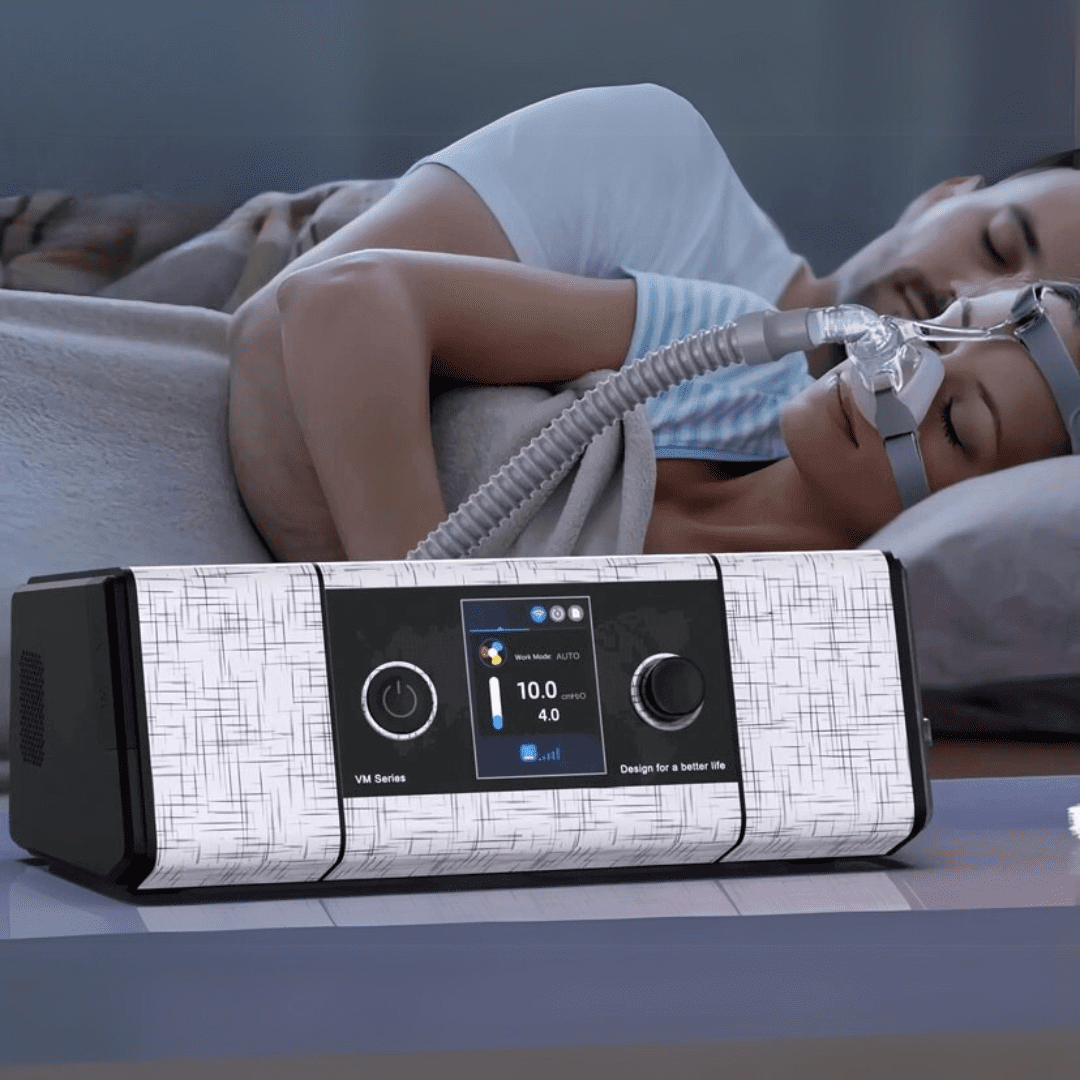
A BiPAP machine (Bilevel Positive Airway Pressure) provides two different settings: higher pressure when you inhale and a lower pressure when you exhale. This makes breathing feel more natural, which can be especially helpful for people with COPD, central sleep apnea, or those who struggle to tolerate CPAP therapy.
For example, the OEM Auto S BiPAP Machine offers advanced bilevel support, making it a popular choice among patients who need more flexibility.
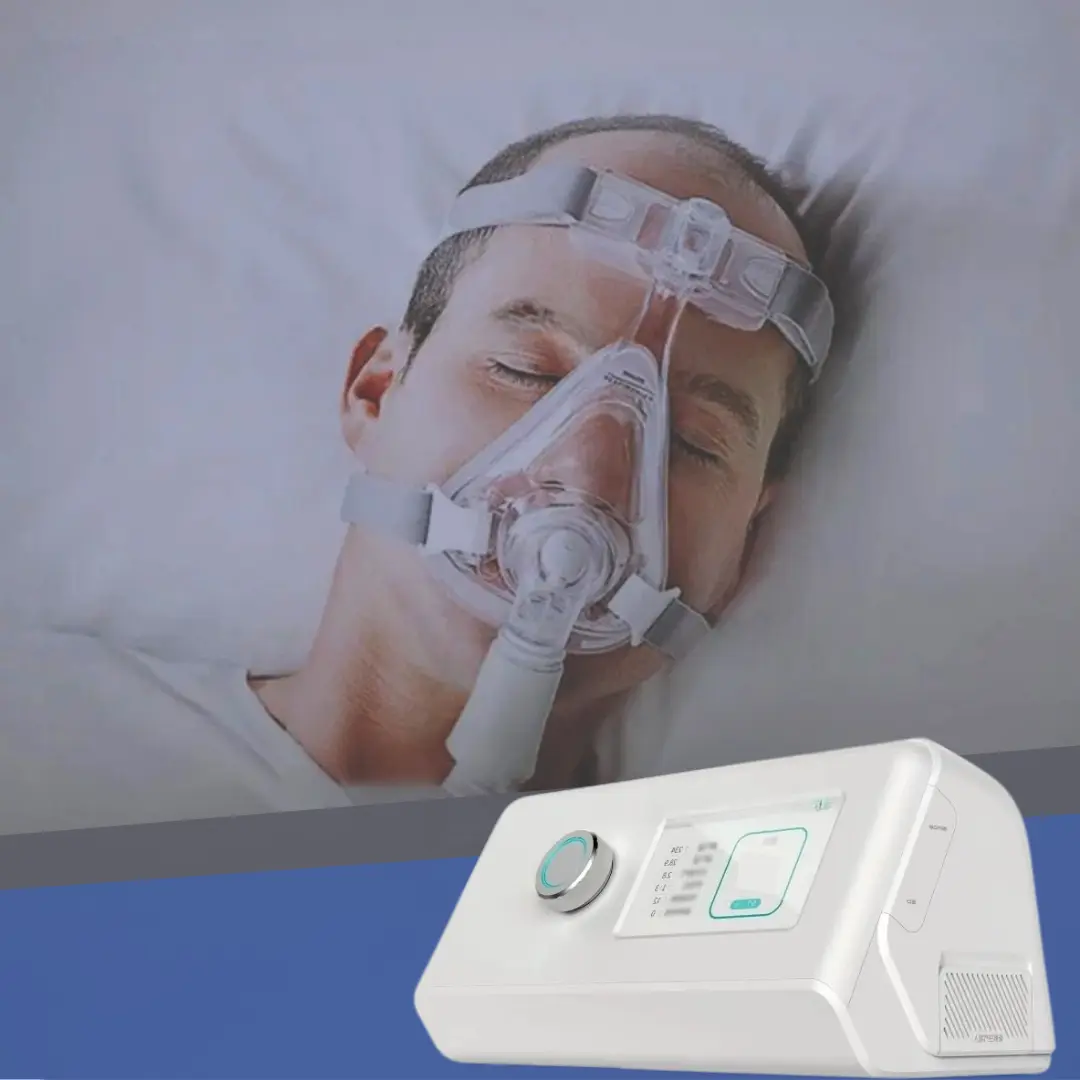
The main difference in CPAP vs BiPAP lies in pressure settings. CPAP delivers one continuous level, while BiPAP adjusts between inhalation and exhalation pressures. This makes BiPAP ideal for patients needing additional breathing support, whereas CPAP is usually the first-line therapy for standard sleep apnea cases.
If you’re researching bilevel machine options or comparing bilevel vs CPAP, BiPAP therapy can offer greater comfort, especially for patients with chronic lung conditions.
Learn more about how different apnea machines compare in our guide: Apnea Machine Differences Explained: Fixed, Auto, and BiPAP.
Bipap therapy benefits are most noticeable in people who:
– Have central sleep apnea or complex sleep disorders
– Live with COPD or other respiratory conditions
– Cannot tolerate high continuous pressure from CPAP
– Need higher oxygen levels or advanced ventilatory support
For more details on diagnostic testing, see our article: Sleep Apnea Test at Home vs. Sleep Lab.
According to the Sleep Foundation, BiPAP is often prescribed when CPAP isn’t sufficient or tolerated. It provides additional flexibility for breathing and can improve comfort for long-term therapy.
Choosing between CPAP vs BiPAP depends on your diagnosis, comfort level, and medical needs. CPAP is usually the starting point, while BiPAP offers more advanced support for patients with complex conditions or difficulty tolerating CPAP. Both therapies are highly effective when used consistently and under medical supervision.
What is the difference between CPAP and BiPAP?
CPAP provides a single continuous pressure, while BiPAP delivers two pressures—one for inhalation and a lower one for exhalation.
When do I need a BiPAP machine?
You may need a BiPAP if you have COPD, central sleep apnea, or cannot tolerate CPAP pressure settings.
Why is BiPAP better than CPAP for COPD?
BiPAP supports easier exhalation and can improve oxygen levels for patients with chronic lung disease.
Does BiPAP increase oxygen levels?
Yes, BiPAP therapy can enhance oxygen delivery by improving ventilation and reducing breathing effort.
Does BiPAP increase heart rate?
No, BiPAP does not directly increase heart rate. In fact, by improving oxygenation and reducing apnea events, it may help reduce strain on the heart.