Fixing Rainout and Condensation: Solve CPAP Humidity Problems Permanently
If you’ve ever woken up to gurgling sounds, water droplets in your tubing, or a damp mask, you’ve experienced CPAP humidity problems. These issues—known as CPAP rainout—happen when warm, moist air from your humidifier meets cooler air in your hose, causing condensation. Fortunately, there are simple ways to stop it and enjoy steady, comfortable therapy.
_4d3008a8.webp)
Understanding CPAP Rainout and Condensation
When your CPAP humidifier adds moisture to the air, it helps prevent dryness in your nose and throat. But if the air cools as it travels through the tube, moisture condenses—creating unwanted water in your hose or mask. This is common in cooler rooms or when your hose isn’t insulated.
Learn more about humidification balance in our CPAP humidifier guide.
Smart Ways to Prevent CPAP Rainout
1. Use a Heated or Lightweight Tube
Heated hoses maintain a steady air temperature to stop condensation before it forms. Many modern machines—like the Auto CPAP Machine with Mask—include temperature control for optimal comfort. For travel or simplicity, a lightweight tubing can also reduce rainout while remaining easy to clean.
2. Adjust Room Temperature and Machine Settings
Keeping your bedroom slightly warmer can help reduce temperature contrast. Start by lowering your humidity setting by one level or increasing hose heat slightly. For detailed setup guidance, explore Dry Nose Solutions CPAP to balance moisture safely.
3. Position the CPAP Machine Lower Than Your Bed
Gravity helps any condensation drain back into the humidifier chamber instead of collecting in your mask. Place your device slightly below pillow level and ensure your hose has a gentle slope.
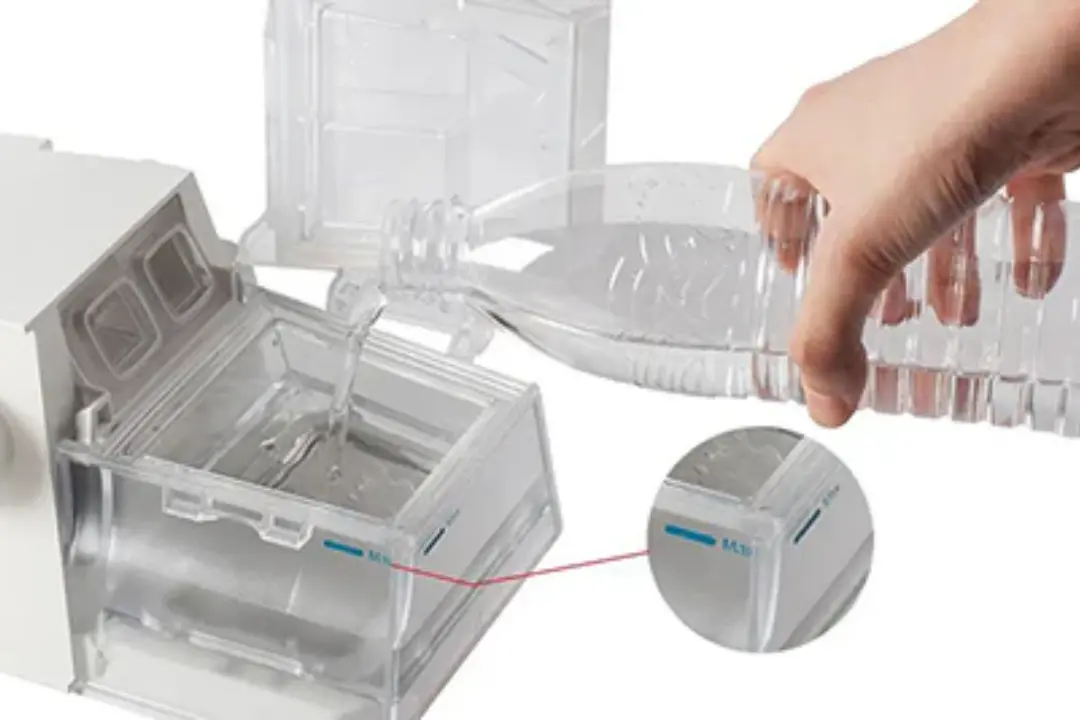
4. Always Use Distilled Water
Tap water can leave mineral buildup and promote bacteria growth. Using distilled water keeps your humidifier clean and your therapy safe. See our Distilled Water UK Guide for safe sources and maintenance advice.
5. Replace Accessories Regularly
Old tubing, cracked seals, or worn CPAP mask liners can cause air leaks that disrupt humidity levels. Follow your replacement schedule and check for moisture inside components after cleaning. Sleepap offers original accessories and mini humidifiers compatible with most sleep apnea machines.
Expert Recommendations
The Sleep Foundation suggests adjusting hose temperature between 25–30°C (77–86°F) and humidity to comfort. Excess moisture isn’t dangerous, but ignoring it may affect therapy effectiveness or promote mold growth.
Frequently Asked Questions
Is CPAP rainout dangerous?
Not typically, but it can interrupt sleep and cause discomfort. Keeping your hose warm and elevated prevents issues safely.
Why does my CPAP have condensation?
Condensation forms when warm humidified air meets cool tubing. A heated hose or room temperature adjustment fixes it easily.
How does room temperature affect rainout?
Cooler rooms increase condensation. Keeping your bedroom above 18°C (64°F) helps maintain balanced humidity.
Can CPAP rainout cause pneumonia?
Not directly, but a persistently wet hose can harbor bacteria. Regular cleaning and use of distilled water prevent infection risks.
What temperature should my CPAP hose be set at?
Between 25–30°C (77–86°F) for most users. Adjust gradually to comfort.
What are the symptoms of too much humidity in CPAP?
You may notice a damp mask, noisy airflow, or a musty smell. Reducing humidity or increasing hose heat helps immediately.
Conclusion
CPAP humidity problems are easy to solve with smart setup and care. By maintaining warmth, cleaning regularly, and using the right accessories, you’ll eliminate rainout and enjoy a calm, comfortable night’s sleep—every night.

_copy_6b59cfc2_90870a01.avif&w=1080&q=75)