
_copy_6b59cfc2_90870a01.avif&w=1080&q=75)


Women and Apnea: Unique Symptoms, Diagnosis, and Sleep Apnea UK Options
Sleep apnea is often seen as a men’s health issue, but studies show it affects women in distinct ways. From hormonal influences to subtle symptoms, recognising sleep apnea UK patterns in women is crucial for timely diagnosis and treatment. This guide explores how sleep apnea presents differently in women, what causes it, and the best treatment options available across the UK.
What Are the Warning Signs of Sleep Apnea in Women?
Unlike men, women with sleep apnea may not always experience loud snoring or noticeable pauses in breathing. Common symptoms include morning headaches, chronic fatigue, anxiety, or insomnia. Some women also report waking up gasping for air or having dry mouth upon waking.
Learn how breathing strength and respiratory health affect sleep quality in our article: Managing Apnea with Lifestyle: Exercise for Lungs & Breathing Techniques.
What Causes Snoring in Females?
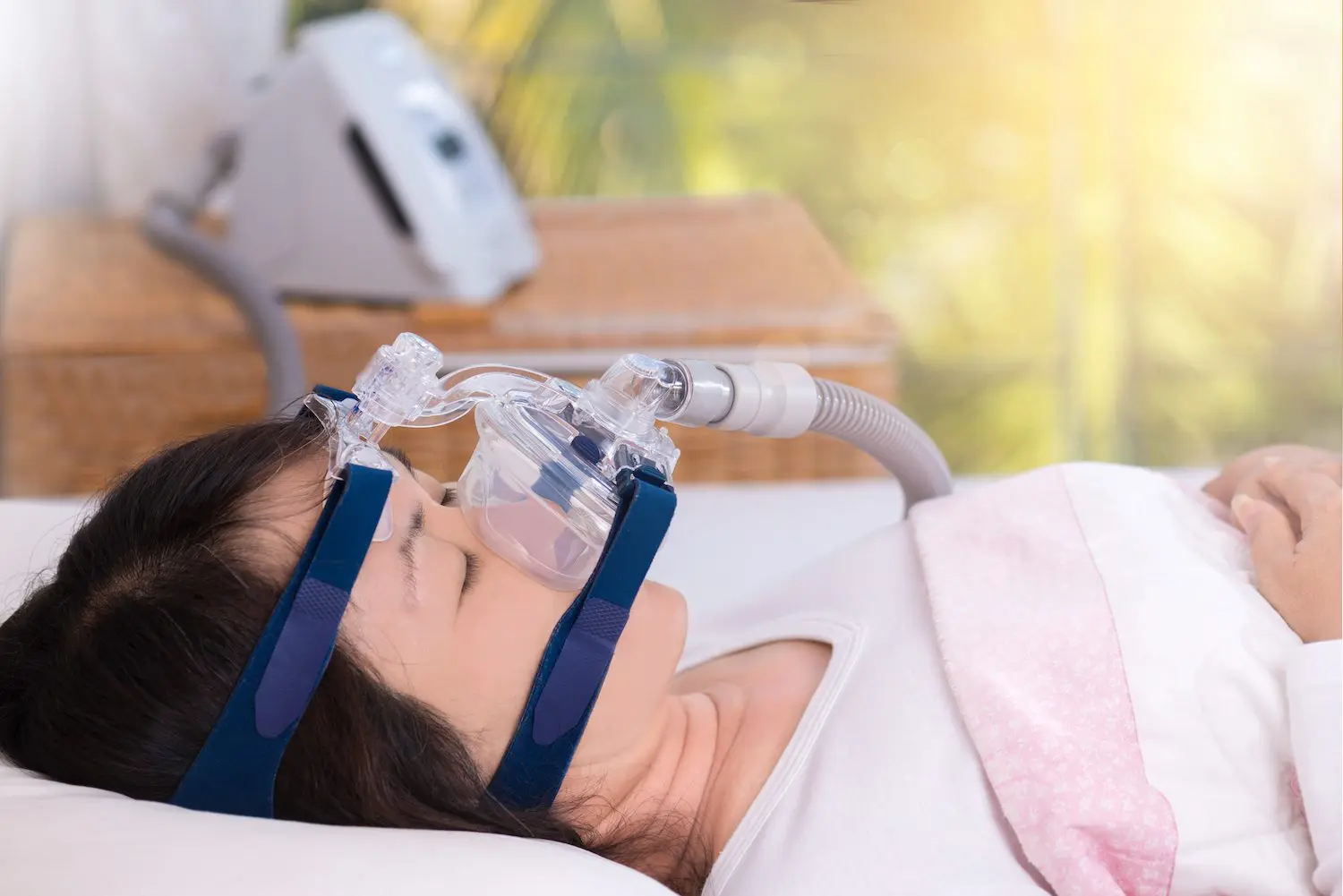
Snoring in women can be caused by several factors, including nasal congestion, being overweight, menopause, or anatomical differences in airway shape. Hormonal changes — particularly reduced progesterone after menopause — can relax airway muscles, making snoring and sleep apnoea NHS cases more likely.
How Do You Know if a Woman Has Sleep Apnea?
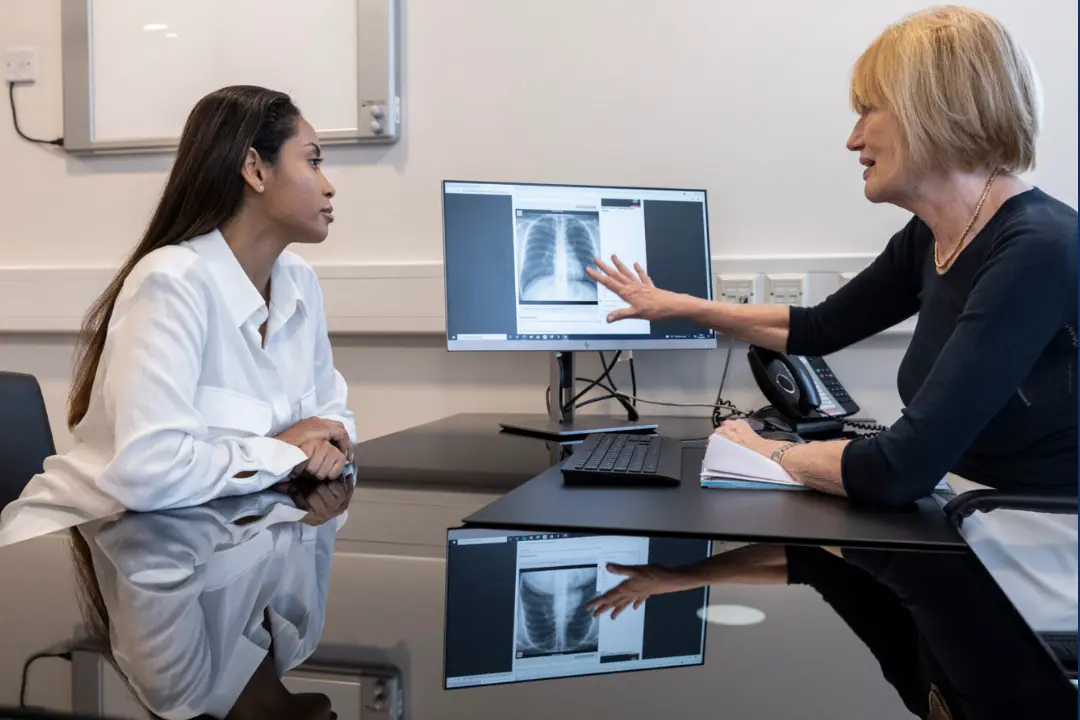
Women often show subtler signs such as mood changes, low concentration, and chronic tiredness. A proper diagnosis usually requires a sleep study UK, either in a hospital or through an at-home test. The results show how often breathing stops during sleep and help a sleep specialist determine the best treatment.
To understand how sleep studies work, check out: Sleep Apnea in Children: Symptoms, Dangers & Treatment.
Can a Person Have Sleep Apnea and Not Snore?
Yes. Many women experience obstructive sleep apnea without obvious snoring. Instead, they may have restless sleep, insomnia, or daytime sleepiness. This makes professional testing at a sleep clinic UK essential to confirm the diagnosis.
According to NHS Inform, sleep apnea in women is often underdiagnosed because symptoms can mimic stress or hormonal fatigue. A full evaluation can ensure the right treatment plan.
Will Sleep Apnea Go Away if I Lose Weight?
Losing weight can significantly improve or even eliminate mild cases of sleep apnea. However, for moderate to severe conditions, medical therapy such as CPAP remains the most effective solution. Devices like the Auto CPAP Machine DF-20A with Mask help maintain consistent airflow, ensuring restorative sleep and reducing apnea events.
At Sleepap.co.uk, we provide high-quality CPAP devices, masks, and accessories across the UK — backed by 14/7 customer service for fast, reliable support.
Sleep Clinics and Treatment Options in the UK
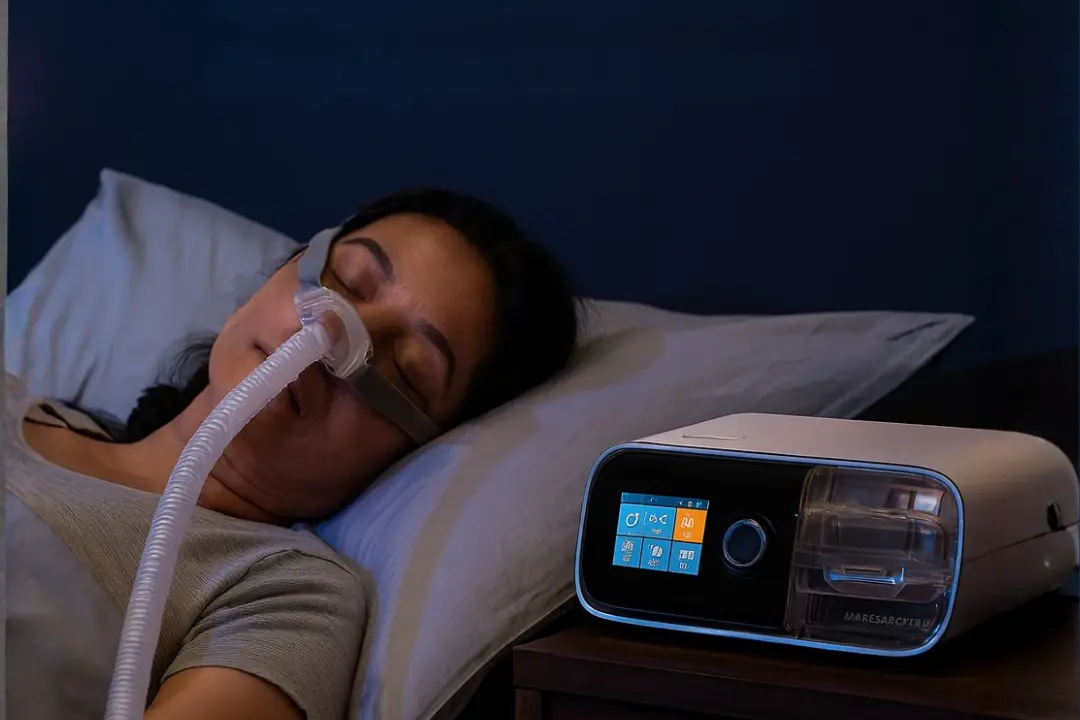
Women in the UK can access diagnosis and treatment through sleep apnoea NHS pathways or private sleep clinic UK centres. A sleep specialist may recommend weight management, positional therapy, or CPAP treatment depending on the severity of the condition. Early intervention helps prevent complications such as high blood pressure, heart problems, and chronic fatigue.
Conclusion
Sleep apnea UK awareness for women is growing, but early recognition remains key. Understanding symptoms, seeking proper diagnosis, and using effective treatments like CPAP can dramatically improve energy, focus, and overall wellbeing. With expert support and modern therapy options, women can take control of their sleep health and enjoy quieter, more restful nights.
Frequently Asked Questions
What are the warning signs of sleep apnea?
Common warning signs include fatigue, morning headaches, frequent awakenings, and loud or irregular snoring.
What causes snoring in females?
Hormonal changes, nasal congestion, or excess tissue in the throat can contribute to snoring in women.
How do you know if a woman has sleep apnea?
A sleep study conducted by a sleep specialist can confirm the diagnosis and severity.
Can a person have sleep apnea and not snore?
Yes, especially women — many experience apnea without loud snoring but show signs of tiredness or poor sleep quality.
Will sleep apnea go away if I lose weight?
Weight loss can help mild cases, but medical treatment such as CPAP is often needed for lasting results.


