
_copy_6b59cfc2_90870a01.avif&w=1080&q=75)


Why a Sleep Apnea Checker Matters: Risks of Untreated Sleep Apnea and How to Get Tested
Sleep apnea is more than just snoring. Left untreated, it can increase the risk of heart disease, diabetes, high blood pressure, and even accidents caused by daytime fatigue. This is why using a sleep apnea checker is so important. Whether you’re at risk or already noticing symptoms, timely testing can protect your health and quality of life. According to NHS guidance, recognising and treating sleep apnoea early is key to avoiding serious complications.
Why Sleep Apnea Shouldn’t Be Ignored
Risks of Untreated Sleep Apnea
- Heart disease and stroke: Interrupted breathing reduces oxygen, putting strain on the heart.
- Diabetes: Poor sleep impacts insulin sensitivity.
- Accidents and driving risks: Daytime sleepiness increases the chance of road accidents.
- Cognitive decline: Memory and concentration can be impaired.
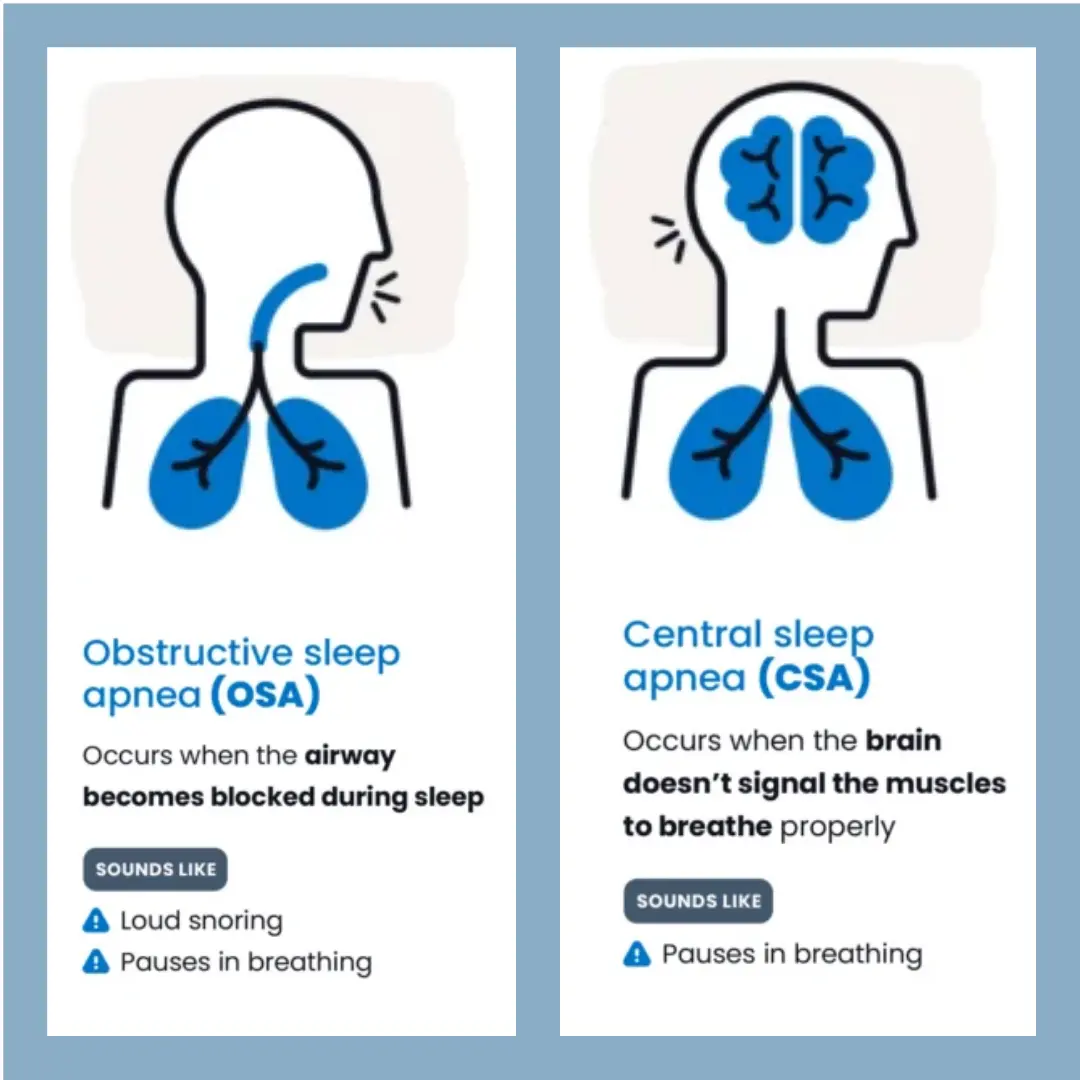
NHS guidance stresses that anyone with symptoms like loud snoring, pauses in breathing, or extreme tiredness should undergo sleep studies to confirm diagnosis. See our guide on Sleep Apnoea NHS: OSA vs CSA Differences.
How to Get Tested
Standard Sleep Studies
Traditional sleep studies are performed in a hospital or clinic, where sensors track breathing, heart rate, and oxygen levels overnight.
Sleep Apnea Test at Home
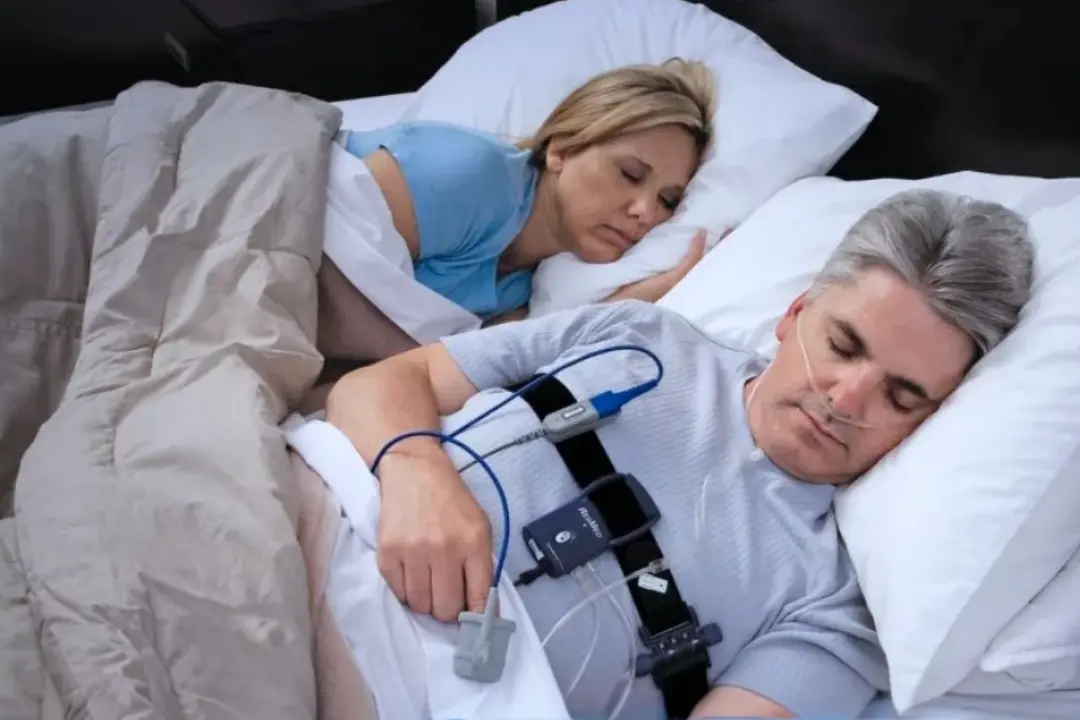
More people are now choosing a sleep apnea home study. A simple device monitors airflow, oxygen saturation, and snoring, giving accurate results from your own bed. These at-home options are especially useful if you face long NHS waiting times.
Portable Sleep Apnea Checker Devices
A sleep apnea test at home is an accessible first step. While it can’t replace a full lab study, it provides enough data for a specialist to confirm if treatment is needed.
Living with Sleep Apnea and Driving
Excessive daytime sleepiness from untreated apnea is a safety risk, especially when driving. In the UK, you must inform the DVLA if diagnosed with moderate or severe sleep apnea that affects driving.
Fortunately, treatment makes a difference. A portable CPAP machine, such as the Mini Auto Travel CPAP Machine with Mask, helps drivers and frequent travellers maintain therapy wherever they are—ensuring safe, consistent treatment.
For more options, explore our full CPAP machines category.
_e96b1df2_f4d23cc8.webp)
Conclusion
A sleep apnea checker is the first step toward protecting your long-term health. With options ranging from hospital-based sleep studies to convenient sleep apnea tests at home, diagnosis has never been easier. And with the right treatment—such as portable CPAP machines—you can reduce risks, stay safe, and enjoy better sleep every night.
Frequently Asked Questions
How to test sleep apnea?
You can test sleep apnea with overnight sleep studies at a hospital or a sleep apnea test at home using a portable monitor. Both methods record breathing, oxygen levels, and snoring patterns.
Can you tell if you have sleep apnea without test?
Not reliably. Symptoms like loud snoring, choking at night, or daytime fatigue may suggest sleep apnea, but only a sleep apnea test can confirm it.
Can a blood test detect sleep apnea?
No. Blood tests cannot detect sleep apnea. The condition is diagnosed through sleep studies or a sleep apnea home study.
Is sleep apnea a disability?
Sleep apnea itself is not usually classified as a disability, but severe cases that affect daily function may qualify for disability benefits depending on medical evidence.
Can you lose your license if you have sleep apnea?
Yes, in the UK, you must inform the DVLA if your sleep apnea affects driving. Effective treatment, such as using a
portable CPAP machine, helps you stay compliant and safe.


