Dry Nose Solutions CPAP: Troubleshooting Stuffy or Irritated Nose During Therapy
Dryness or stuffiness from CPAP for sleep apnea is one of the most common comfort issues users face. With the right dry nose solutions CPAP, you can restore comfort, prevent irritation, and enjoy a full night of easy breathing.
Why CPAP Therapy Can Cause Dryness
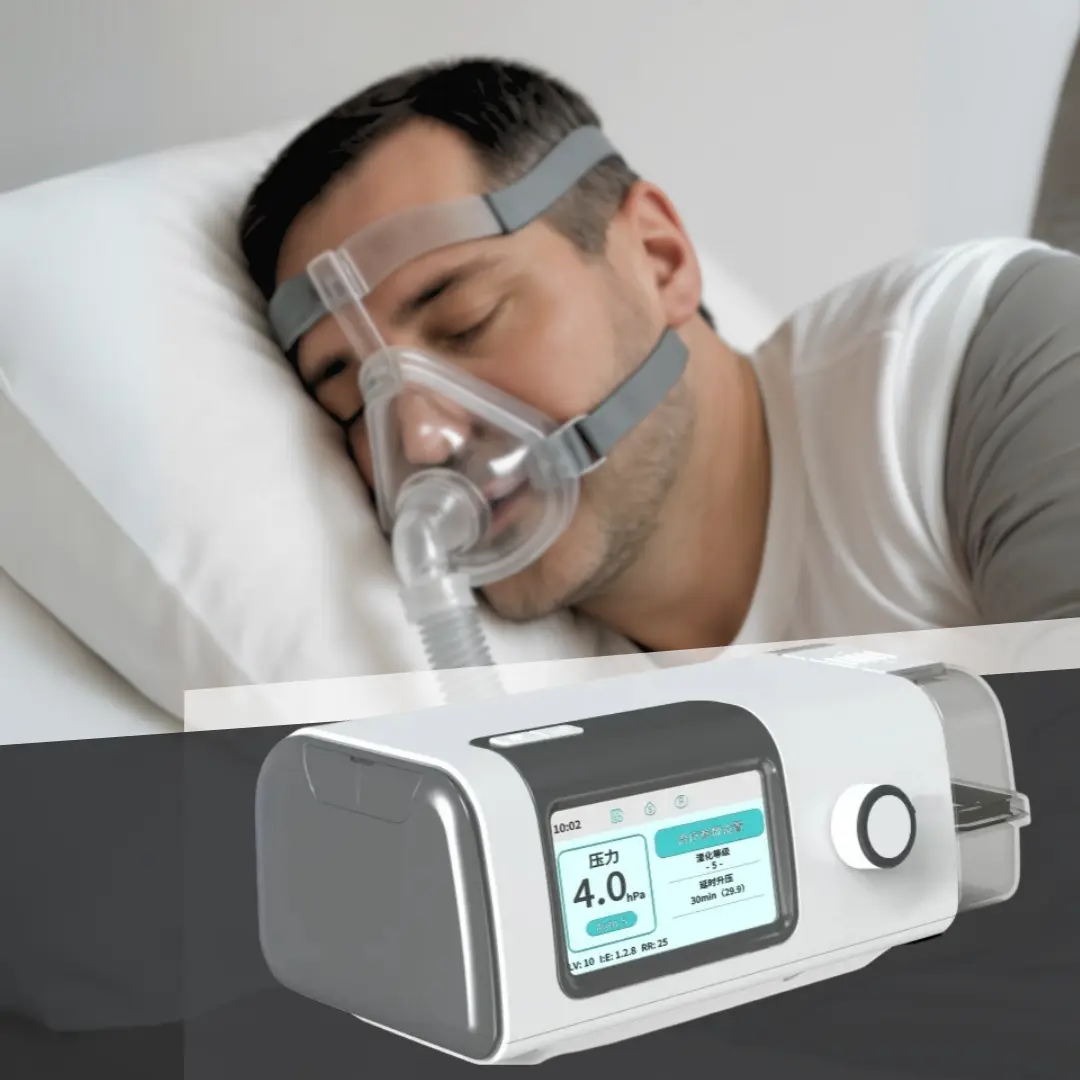
CPAP therapy works by keeping your airway open with constant airflow, but that air can sometimes dry out your nasal passages—especially if humidity settings are low or filters need replacing. If you feel nasal burning or congestion, your equipment or setup likely needs an adjustment.
Simple Fixes for Nasal Dryness and Irritation
1. Adjust Your Humidifier and Tubing
Increase humidity and, if available, use a heated hose. This helps maintain warm, moist air and prevents dryness inside your nose. Premium models like the YA-Ling Smart CPAP/APAP Machine include an integrated humidifier for easier customization.
2. Keep Your Mask and Hose Clean
Bacteria buildup can worsen irritation. Weekly cleaning is essential. Use the Sleepap CPAP Cleaning Kit for fast, safe sanitation, and replace filters regularly. Learn more in our CPAP troubleshooting guide.
3. Try Nasal Hydration and Cleansing
A nasal cleansing machine or saline rinse can keep your passages moisturized and reduce inflammation. Pairing this with a nose tape for snoring can also improve airflow and comfort through the night.
4. Choose the Right Mask Style
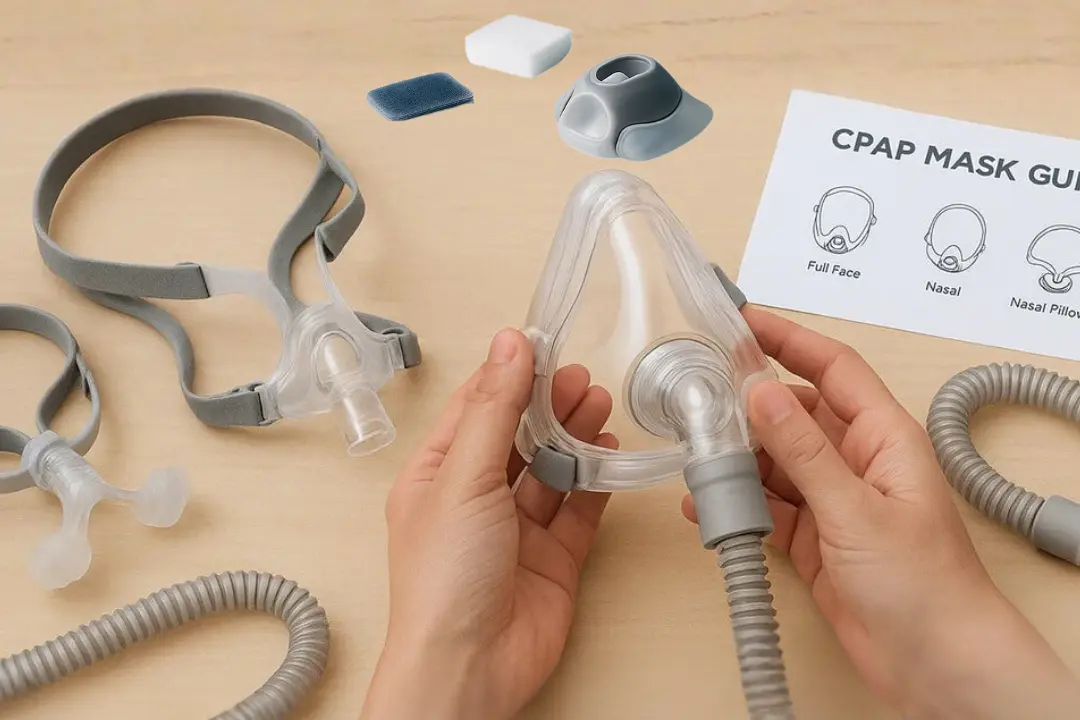
If you’re prone to congestion, nasal pillow masks may direct too much air pressure into your nostrils. A full-face mask can help balance airflow. Explore your options in our mask comparison guide.
5. Maintain a Clean, Balanced Environment
Room humidity, bedding dust, and seasonal allergies can worsen symptoms. A gentle nightly routine with distilled water (see our guide) ensures your CPAP humidifier stays hygienic and effective.
When to Seek Medical Advice
If dryness persists despite adjusting your dry nose solutions CPAP setup, speak to a sleep specialist. Sometimes, nasal inflammation or sinus conditions require additional treatment. The Sleep Foundation recommends checking mask fit, pressure settings, and hydration levels as first steps before switching equipment.
Frequently Asked Questions
How do nose breathing strips work?
Nose strips lift the nasal passages, improving airflow and reducing snoring. They can be used alongside CPAP to reduce congestion.
How to stop dry mouth with CPAP?
Increase humidity, ensure a proper mask seal, and use a chin strap for sleeping to prevent air leaks through your mouth.
How many apneas per hour is normal with CPAP?
An AHI (Apnea-Hypopnea Index) under 5 is considered normal for effective CPAP therapy.
What is the early CPAP protocol?
Start gradually, adjusting pressure and humidity over several nights. Keep the mask on for at least 4 hours nightly to adapt comfortably.
What happens if CPAP pressure is too high?
High pressure can cause dryness, leaks, or bloating. Report these issues to your clinician to adjust your settings safely.
Conclusion
Comfort in dry nose solutions CPAP therapy depends on balance—humidity, cleanliness, and proper mask fit. With consistent care and the right accessories, you can eliminate irritation and enjoy restful, easy breathing every night.


_copy_6b59cfc2_90870a01.avif&w=1080&q=75)