
_copy_6b59cfc2_90870a01.avif&w=1080&q=75)


Sleep Apnea Test at Home vs. Sleep Lab: Costs, Accuracy, and How to Book
For many people experiencing poor sleep, loud snoring, or daytime fatigue, a sleep apnea test at home can feel like an easier first step compared to an overnight hospital study. But how does a home sleep study compare to a full lab-based test? Let’s break down the differences in cost, accuracy, and booking so you can make the right decision for your health.
What Is a Sleep Study?
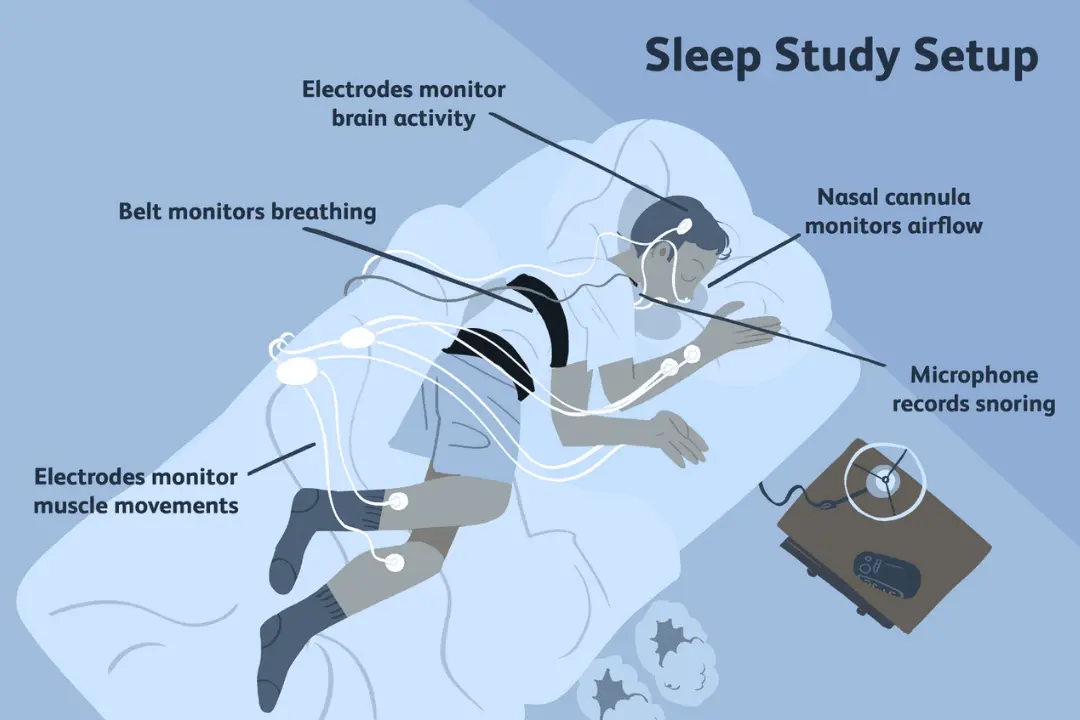
A sleep study (polysomnography) monitors your breathing, heart rate, oxygen levels, and movements while you sleep. This helps doctors confirm if you have sleep apnea and how severe it is.
Sleep study at home: A simplified version, usually with portable equipment that tracks breathing and oxygen levels.
Sleep lab study: Conducted in a hospital or clinic with more sensors, offering detailed results.
According to the NHS, both options can help diagnose sleep apnea, though the choice depends on your symptoms and medical history.
Home Sleep Study for Sleep Apnea: Pros & Cons
Advantages:
– More comfortable since you sleep in your own bed
– Lower cost compared to lab tests
– Convenient and easy to arrange, including the NHS sleep apnea test at home option
Limitations:
– Fewer sensors, so less detailed data
– May not detect complex breathing patterns
– Results sometimes require confirmation in a lab
Sleep Lab Study: Pros & Cons
Advantages:
– Gold standard for diagnosing sleep apnea
– Monitors multiple parameters (brain waves, oxygen, airflow, muscle activity)
– Helpful if your doctor suspects complex sleep disorders
Limitations:
– More expensive and less convenient
– Sleeping in a clinical environment can feel uncomfortable
Costs, Booking & Next Steps
– Private home sleep study: Often more affordable than lab testing.
– Lab study: Higher costs, but sometimes covered by insurance or NHS referral.
– Booking: You can arrange a home sleep study through the NHS, private clinics, or recommended providers.
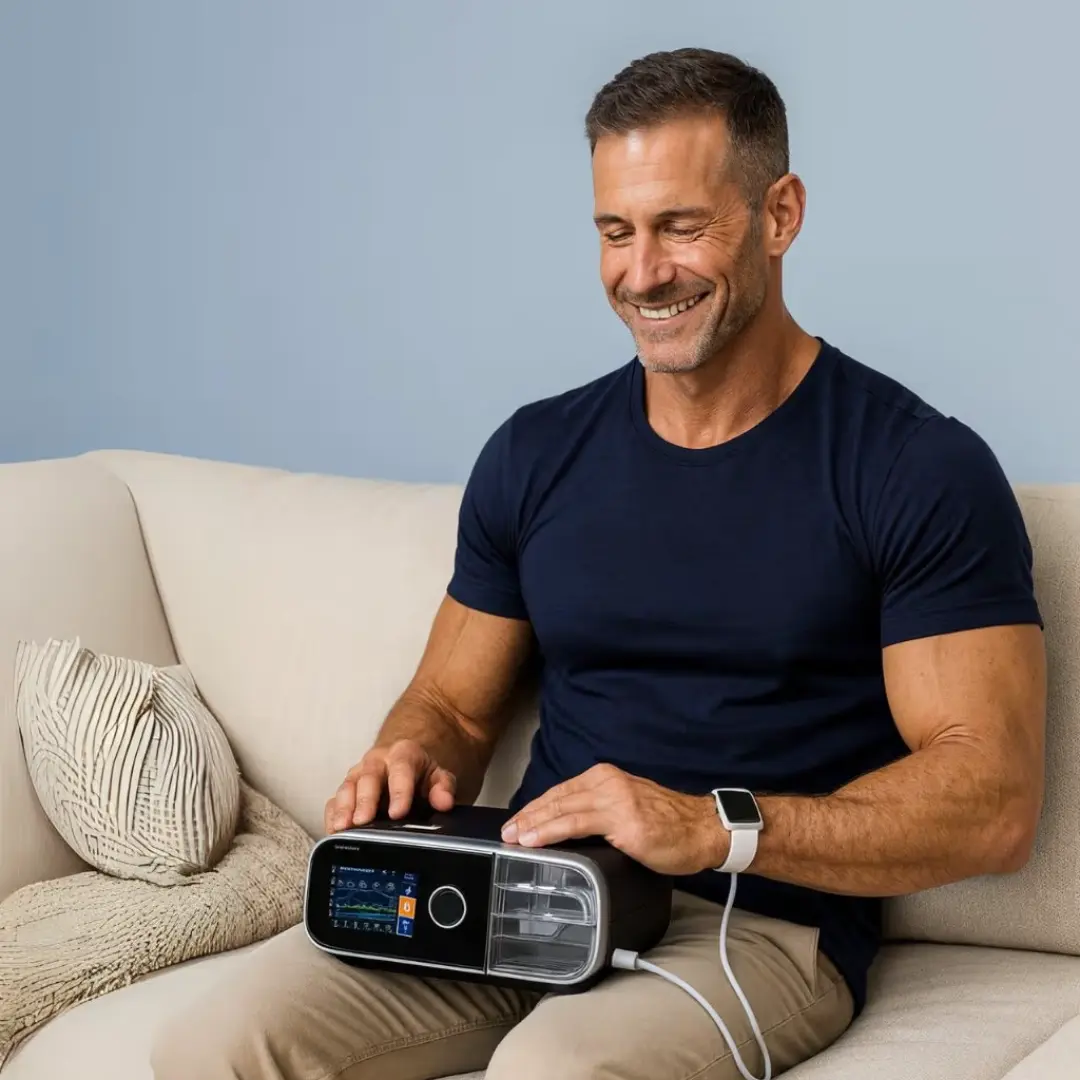
Once diagnosed, treatment often involves CPAP or BiPAP therapy. At Sleepap.co.uk, we provide a wide variety of CPAP machines, masks, and accessories, with 24/7 customer support to help you start therapy smoothly.
For more insights on choosing between devices, see our post: Apnea Machine Differences Explained: Fixed, Auto, and BiPAP.
Conclusion
A sleep apnea test at home is an excellent first step for many patients—convenient, affordable, and less intimidating. However, a sleep lab study remains the gold standard for accuracy. Whichever path you choose, the important thing is to seek diagnosis and begin treatment early for healthier, safer nights.
Frequently Asked Questions
What is a sleep study?
A sleep study is a test that monitors your breathing, heart rate, oxygen levels, and movements during sleep to diagnose disorders like sleep apnea.
Can you drive with sleep apnea?
Yes, if your condition is treated and well controlled. If left untreated, sleep apnea can cause excessive sleepiness and concentration issues. According to DVLA regulations, some drivers may need to report their condition. Learn more in our article: Sleep Apnea Checker: Risks of Untreated Sleep Apnea.
Which machine is better: CPAP or BiPAP?
It depends on your diagnosis. CPAP is usually prescribed first, while BiPAP may be recommended for more complex cases or those who struggle with CPAP.
What happens if sleep apnea is untreated?
Untreated sleep apnea increases risks of high blood pressure, heart disease, diabetes, and accidents caused by daytime sleepiness.


