Travel CPAP Guide: Flying, Packing, Batteries & Airport Tips
Planning a trip with sleep apnea? A travel cpap machine can keep your therapy on track while you fly, drive, and sleep away from home. Below, we cover packing, airport rules, battery options, and smart buying tips—all in one trusted guide.
_e96b1df2.webp)
Flying with CPAP: What Airports and Airlines Expect
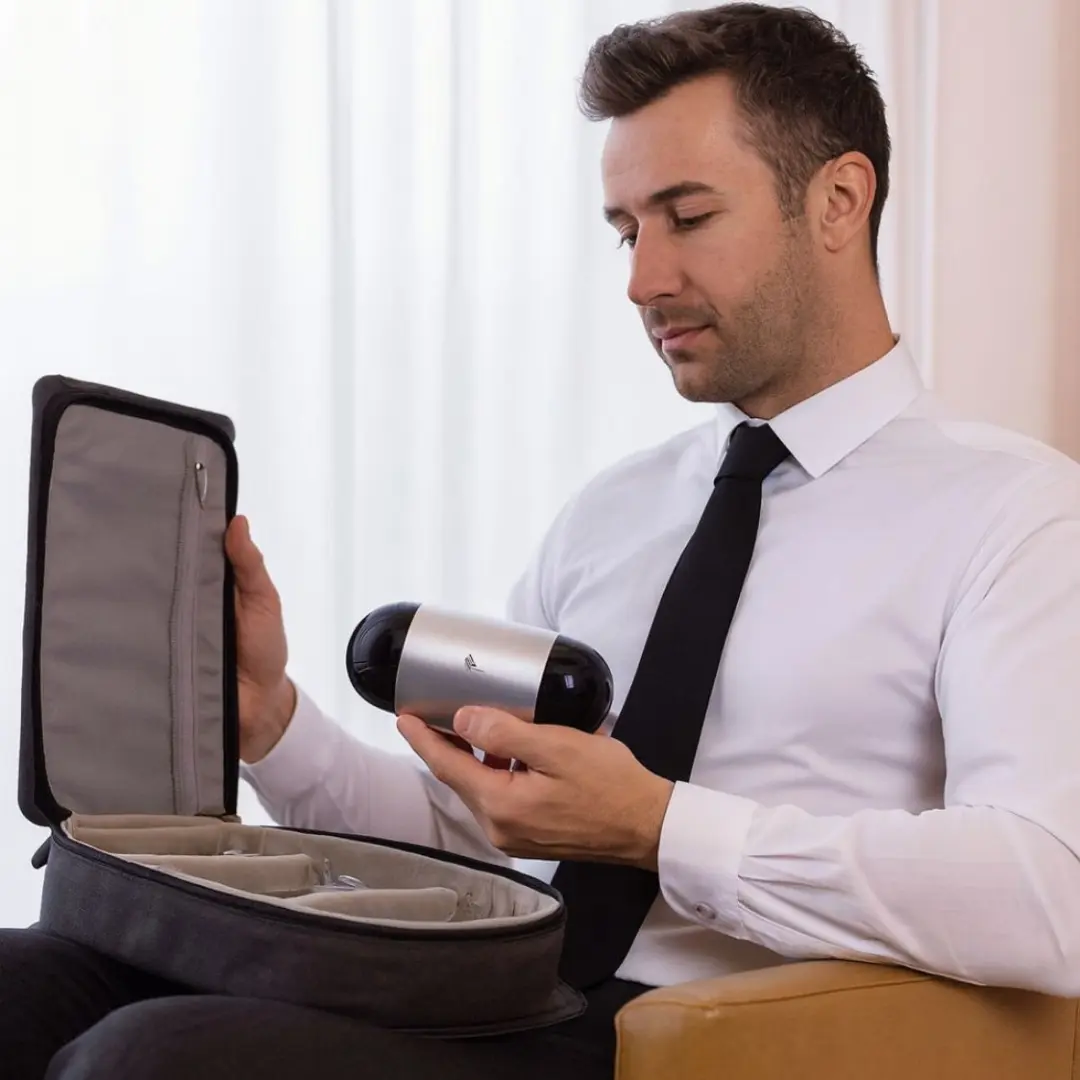
Most airlines treat CPAP devices as essential medical equipment—carry it on in a dedicated bag to avoid damage and keep it available if asked for inspection. Keep your user manual and a copy of your sleep study or letter from your clinician handy. If you’ll use therapy in-flight, confirm airline policies and seating power availability in advance.
Packing Checklist
- Device, mask, tubing, filters, and travel case.
- Universal plug adapter and spare fuses (if applicable).
- Distilled water isn’t required if you use a waterless setup—consider a humidifier bypass when possible.
- Backup plan: a portable cpap machine battery for overnight power.
Batteries & Power: What You Need to Know
Lithium batteries for CPAP are usually allowed in carry-on only; check airline watt-hour (Wh) limits. For hotel stays, verify voltage compatibility and pack an extension lead. If you’re comparing options, look for FAA-compliant batteries and note expected runtime at your usual pressure settings—helpful for long-haul flights or camping where batteries & power access is limited.
Buying & Costs: Smart Traveler Tips
Travel-focused devices are compact and quiet, designed to fit in hand luggage. If you’re weighing features against budget, check pap machine price differences across models and consider long-term comfort and support.
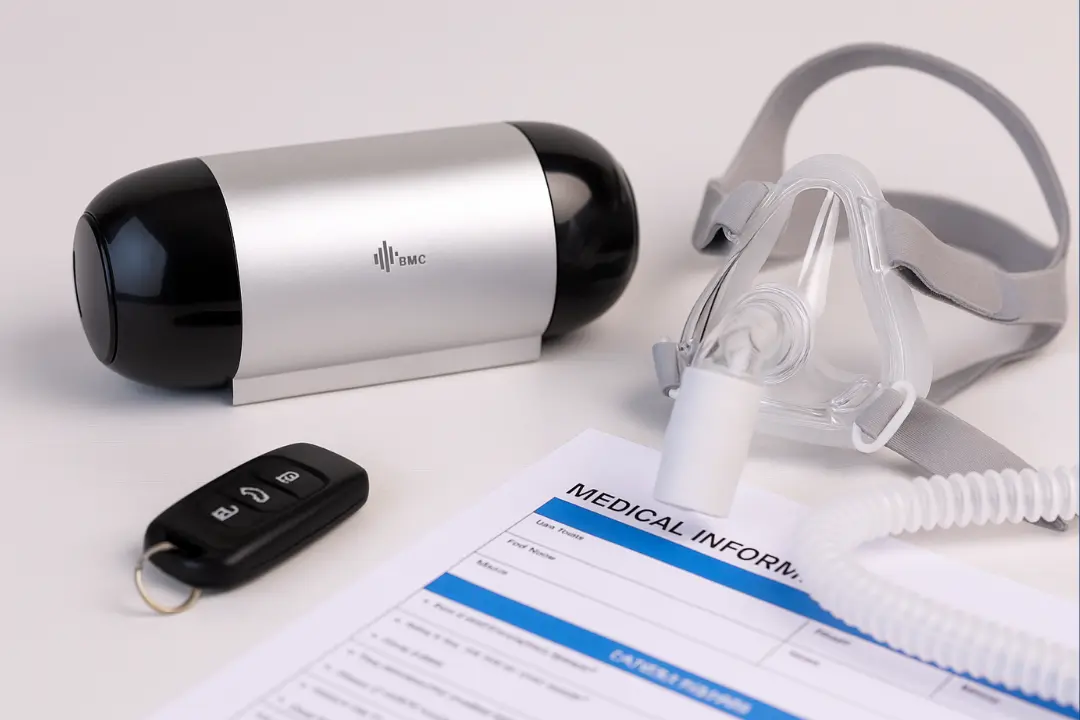
For a lightweight option with mask included, explore our product page: Mini Auto Travel CPAP Machine with Mask.
Want a refresher on how therapy works? Read our explainer: CPAP Therapy: How It Works (Guide).
When a Standard Device Makes Sense
Travel units trade some features for size. If you need full humidification, advanced comfort modes, or specific clinical settings, a standard device may be better for nightly home use. Your clinician can advise based on symptoms and therapy data.
Conclusion
The right preparation makes travel simple: pack smart, confirm airline rules, and plan your power. With a travel cpap machine, you can stay consistent and arrive rested—wherever your itinerary takes you.
Frequently Asked Questions
Can I buy a CPAP machine in the UK?
Yes. The NHS may provide devices, but waiting lists can exceed 14 weeks. If you prefer speed, Sleepap can deliver approved devices within 48 hours. See NHS guidance on CPAP therapy here:
NHS: Obstructive sleep apnoea.
What is CPAP machine cost?
Prices vary by features and brand. At sleepap.co.uk/shop we offer options starting from £399, with clear specifications and support to help you choose.
Can I take my CPAP battery on a plane?
Generally yes—pack lithium batteries in carry-on and check airline Wh limits. For a compact setup, see our
Mini Auto Travel CPAP Machine with Mask.
Do I need a prescription for a travel CPAP?
In many cases you’ll have a clinician’s prescription for diagnosis and settings. At Sleepap, you can purchase your device without a prescription; our team will guide you on setup and best practices.
What is the difference between a travel CPAP and a CPAP machine?
Travel units are smaller, lighter, and often quieter, with simplified humidification and accessory options. Standard devices may offer fuller comfort features and are ideal for nightly home use.
Why not use a travel CPAP all the time?
You can if it meets your comfort and clinical needs, but many users prefer a standard device at home for full-featured humidification and customization, keeping the travel unit for trips.


_copy_6b59cfc2_90870a01.avif&w=1080&q=75)