Do You Need a Prescription for a CPAP Machine UK NHS? Rules Explained
If you’ve been diagnosed with sleep apnea, you might wonder how to get a CPAP machine UK NHS. The rules can feel confusing—especially when it comes to prescriptions, costs, and waiting times. Here’s everything you need to know about NHS CPAP access, plus how to get your machine faster.
How the NHS Provides CPAP Machines
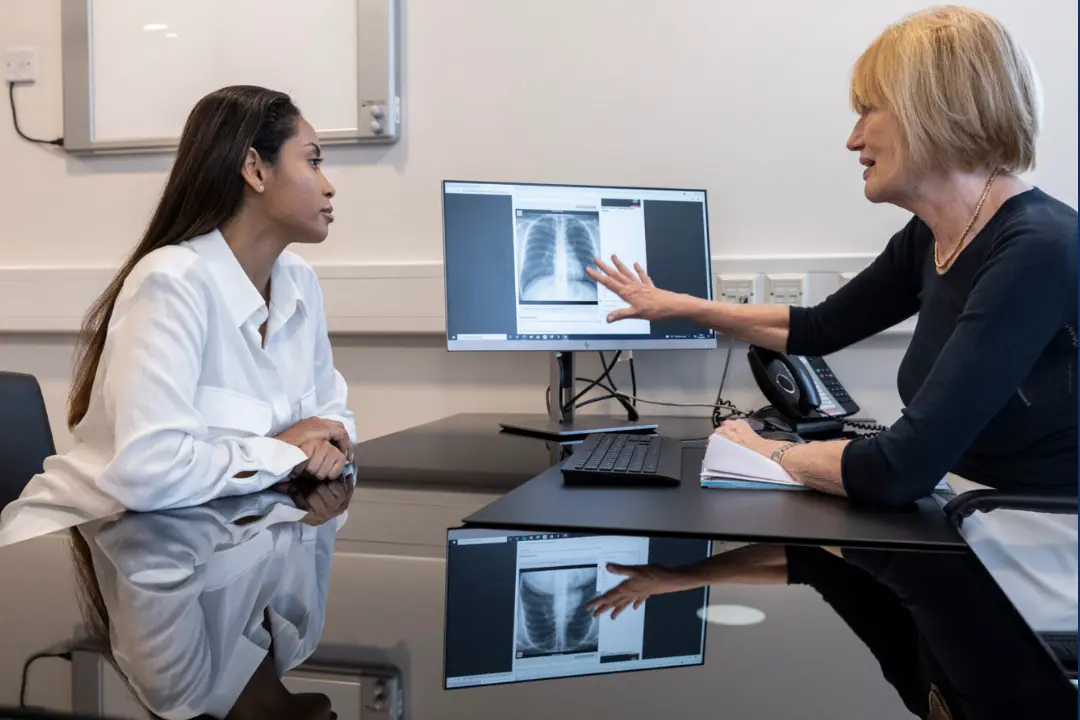
The NHS provides nhs cpap machines free of charge if you’re diagnosed with obstructive sleep apnea through an NHS sleep clinic. You’ll usually need a referral from your GP to a specialist clinic for testing and prescription setup. Once approved, the machine and mask are provided and maintained by the NHS.
However, patients often face long waiting times—some exceeding 14 weeks—before receiving their equipment. If you prefer not to wait, Sleepap offers certified machines with delivery in just 24–48 hours, including popular models like the Automatic CPAP Machine A20 and Auto CPAP Machine VM-6 with Nasal Mask.
Is a Prescription Mandatory for CPAP in the UK?
Under NHS care, a prescription is required and provided after a sleep study diagnosis. If you buy privately, a prescription isn’t always mandatory—especially if you already have your pressure settings or are replacing a device. At Sleepap, you can purchase directly while still benefiting from expert guidance and support.
How Much Does an NHS CPAP Machine Cost?
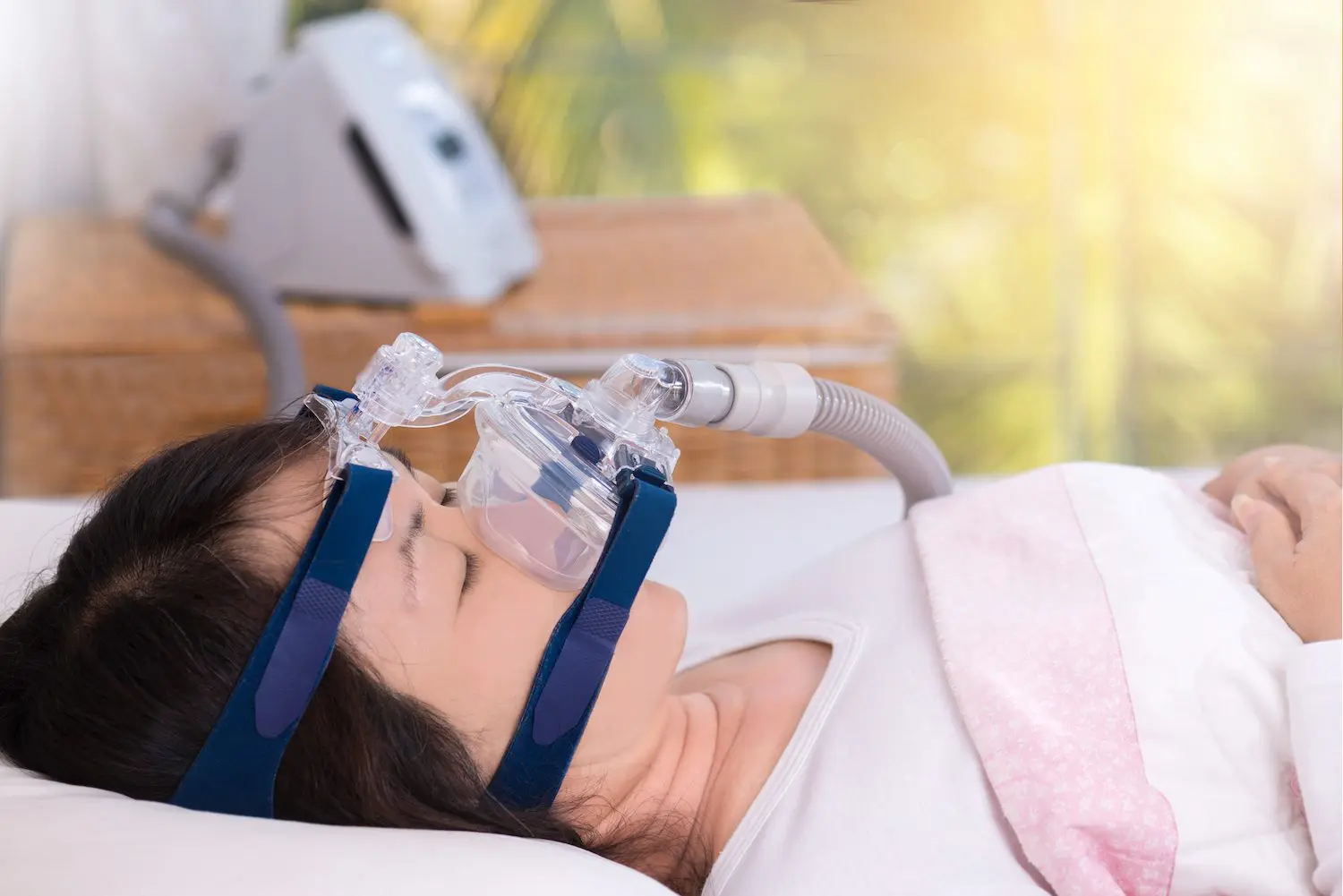
The cpap machine nhs cost is technically free for patients under NHS care. However, maintenance and replacements can take time. Private options allow faster access with complete kits starting from £399, available across the UK.
Key Differences Between NHS & Private CPAP Access
- Speed: NHS waiting lists may exceed 14 weeks; private orders arrive within 24–48 hours.
- Choice: NHS offers standard models; private options include portable, quiet, and auto-adjusting devices.
- Support: Private suppliers like Sleepap offer full setup help, data tracking, and aftercare.
More Resources
To understand how CPAP works in practice, visit our post: Buy CPAP Machine for Light Sleepers. You can also explore our guide comparing sleep studies at home vs clinics: Sleep Apnea Test: Home vs Sleep Lab. For a deeper look at NHS sleep apnea management, see: Sleep Apnoea NHS Guide: OSA vs CSA.
Conclusion
Getting a cpap machine uk nhs is possible but can take time. While the NHS remains an excellent option for many, private suppliers like Sleepap offer faster, flexible access without the wait—helping you start treatment sooner and sleep better tonight.
Frequently Asked Questions
Is a prescription mandatory for CPAP in the UK?
Yes, under NHS care, you’ll need one from a sleep specialist. For private purchase, it’s not always required—Sleepap offers machines with or without a prescription.
Can you buy CPAP without a doctor in the UK?
Yes. You can buy a CPAP directly through trusted suppliers like Sleepap. We provide full guidance on setup and usage.
Visit the official NHS page on Sleep Apnoea for clinical advice.
How many apneas per hour is normal with CPAP?
Ideally fewer than five events per hour. Higher counts suggest your pressure may need adjustment—contact your provider for review.
How much weight to lose to get off CPAP?
Weight loss can reduce apnea severity, but not always eliminate it. Even a 10–15% reduction can make therapy more effective.
What is the best position to sleep in for sleep apnea?
Side sleeping is best—it keeps airways open and reduces collapse risk. Avoid sleeping on your back, which can worsen apnea episodes.
What does a CPAP machine do when you stop breathing?
It increases air pressure automatically, opening your airway so breathing resumes smoothly. This prevents oxygen dips during sleep.


_copy_6b59cfc2_90870a01.avif&w=1080&q=75)