When to Consider Surgery or Implants: Beyond CPAP Alternatives
While the CPAP machine remains the gold standard for treating sleep apnea, not everyone can tolerate it. For patients who struggle with masks or air pressure, there are several CPAP alternatives — from natural methods to surgical options. Understanding when these solutions are appropriate can help you make an informed decision about your long-term health.
Why People Seek CPAP Alternatives
Many people find the CPAP effective but difficult to use nightly. Issues like mask leaks, dryness, or noise may cause frustration. In such cases, exploring natural solutions for sleep apnea — including breathing exercises, weight management, and sleep position therapy — can provide real relief.
However, for patients with structural airway blockages or severe obstructive sleep apnea, non-CPAP treatment for sleep apnea may involve medical interventions such as oral appliances, implants, or surgery.
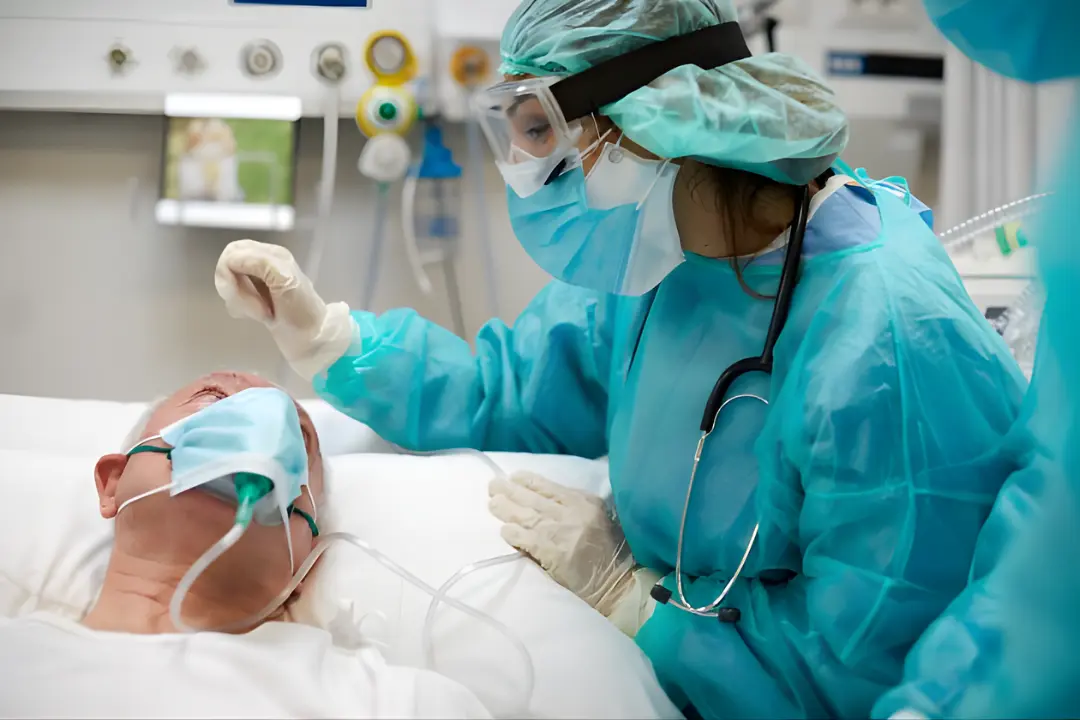
When Surgery Becomes an Option
Surgery is typically considered when lifestyle changes, oral mouthpieces, and CPAP therapy fail to control symptoms. According to Sleep Foundation research, surgical approaches aim to enlarge or stabilize the airway by modifying structures in the throat, nose, or jaw.
Before opting for surgery, your sleep specialist may conduct detailed tests such as the Sleep Apnea Checker and Risk Assessment to confirm the cause and severity of your condition.
Types of Sleep Apnea Surgeries
There are several surgical options available, depending on the cause of obstruction:
- UPPP (Uvulopalatopharyngoplasty): Removes excess tissue from the throat to widen the airway.
- Genioglossus Advancement: Repositions the tongue muscle to prevent collapse during sleep.
- Maxillomandibular Advancement: Moves the upper and lower jaws forward to open the airway.
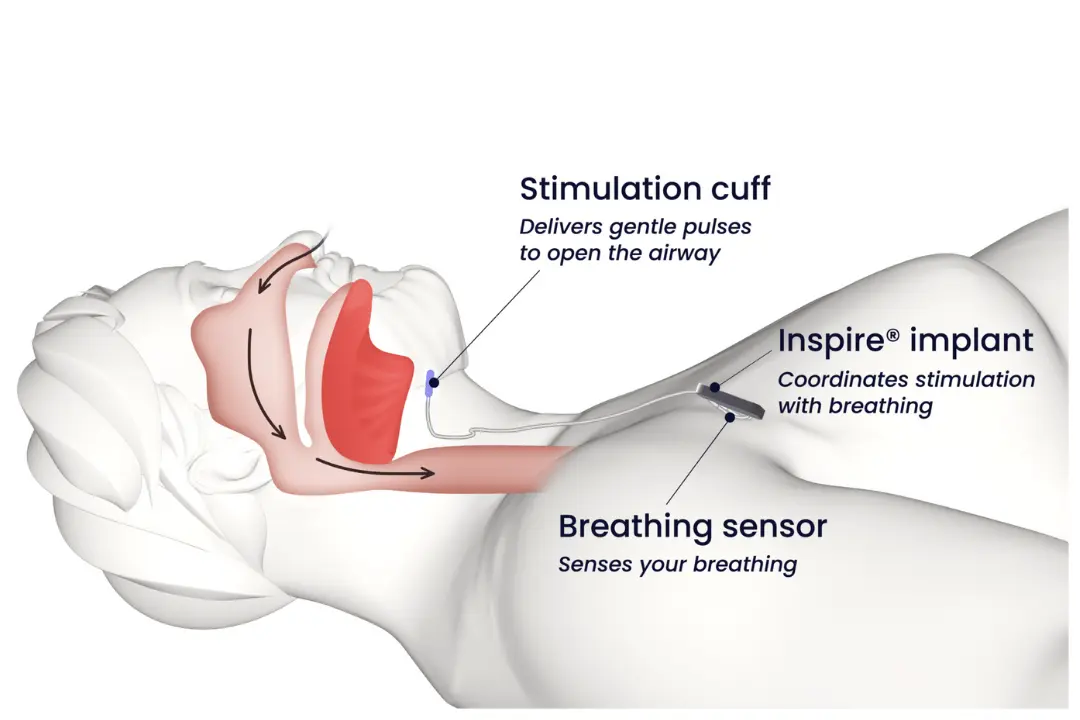
- Inspire Therapy: A modern implant that stimulates airway muscles to stay open during sleep.
These sleep apnea surgery procedures range from minimally invasive to complex and are usually reserved for moderate to severe cases.
Who Qualifies for Sleep Apnea Surgery?
Generally, candidates for surgery are adults who:
- Have moderate or severe obstructive sleep apnea
- Have not responded well to CPAP or oral devices
- Show structural issues like enlarged tonsils or narrow airways
It’s important to undergo a full sleep study before making any surgical decision.
Risks and Recovery
Like any surgery, sleep apnea surgery carries some risks such as pain, bleeding, or temporary swallowing issues. However, modern procedures — including the Inspire implant — offer faster recovery and fewer complications. Patients who undergo these surgeries often report reduced snoring and improved sleep quality within weeks.
For many, non-invasive options such as NHS-approved CPAP therapy or oral appliances remain safer and equally effective alternatives.
Frequently Asked Questions
What happens if sleep apnea is left untreated?
Untreated sleep apnea can lead to serious health risks such as high blood pressure, heart disease, stroke, and chronic fatigue. Long-term oxygen deprivation stresses the heart and brain.
Can you get surgery with sleep apnea?
Yes. Surgery can be performed if you are a suitable candidate after medical evaluation. Procedures vary from nasal corrections to full airway reconstruction.
Who qualifies for sleep apnea surgery?
Surgery is suitable for people with moderate to severe obstructive sleep apnea who cannot tolerate CPAP or have clear anatomical obstructions confirmed by sleep studies.
Is surgery worth it for sleep apnea?
For patients who fail non-surgical options, surgery can significantly improve breathing and sleep quality. However, it is best considered after consulting a specialist and completing a sleep apnea test.
What is the most successful surgery for sleep apnea?
Maxillomandibular advancement and Inspire implant therapy have the highest success rates, often reducing apnea events by more than 80%.
What is the newest treatment for sleep apnea?
Inspire implant therapy is among the latest FDA-approved alternatives. It works by stimulating airway muscles to prevent collapse during sleep.
How risky is surgery for sleep apnea?
Modern procedures are generally safe with minor risks of pain or temporary swelling. Following post-surgery care minimizes complications.
Conclusion
Exploring CPAP alternatives like surgery or implants can be life-changing for patients who can’t tolerate traditional therapy. Before deciding, consult your specialist and explore all options, including Sleepap.co.uk, where you’ll find trusted CPAP and non-invasive solutions for every stage of treatment.


_copy_6b59cfc2_90870a01.avif&w=1080&q=75)